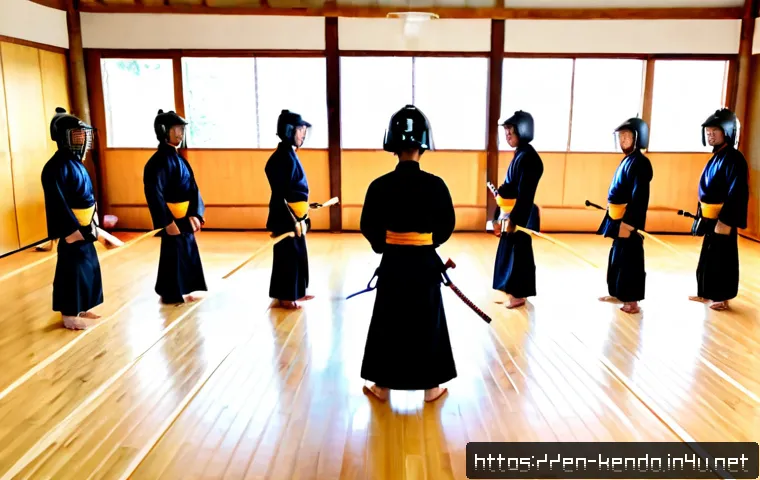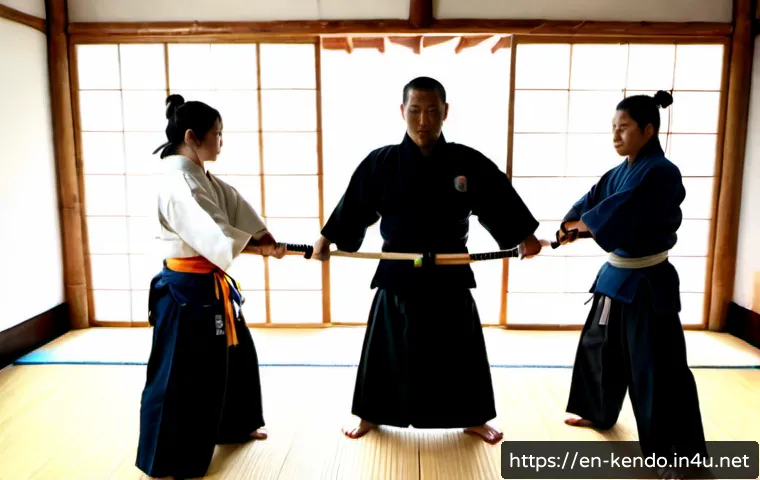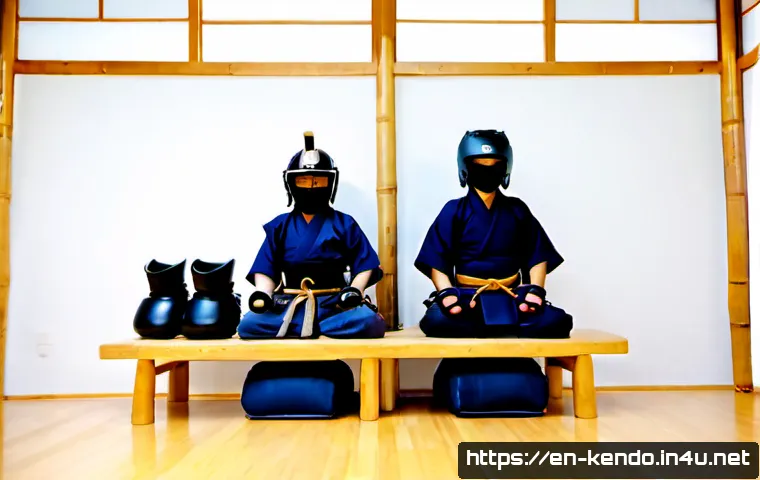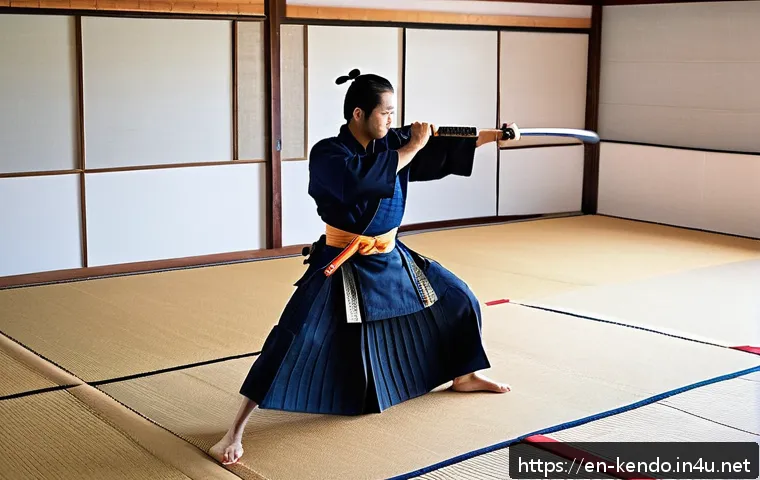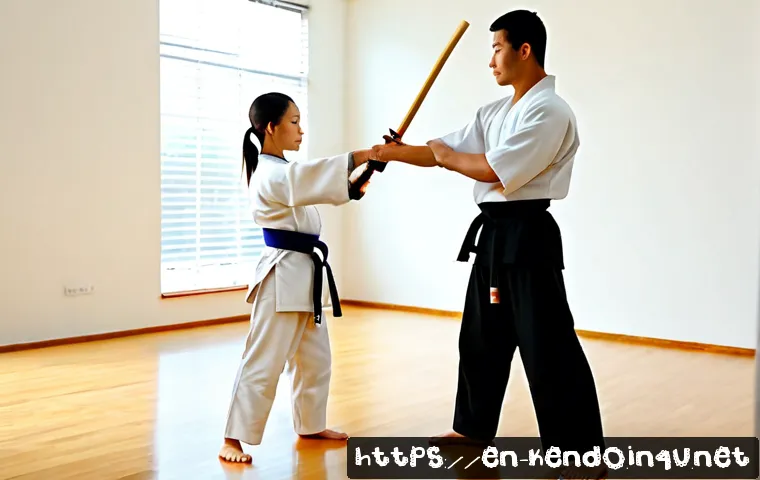
Kendo is a strong fit if you want structured weapon training, distance control, etiquette, and supervised sparring with bamboo swords. Choose striking, grappling, or fencing instead if your main goal is kicking and punching, close-range control, self-protection context, or a different weapon-sport format.
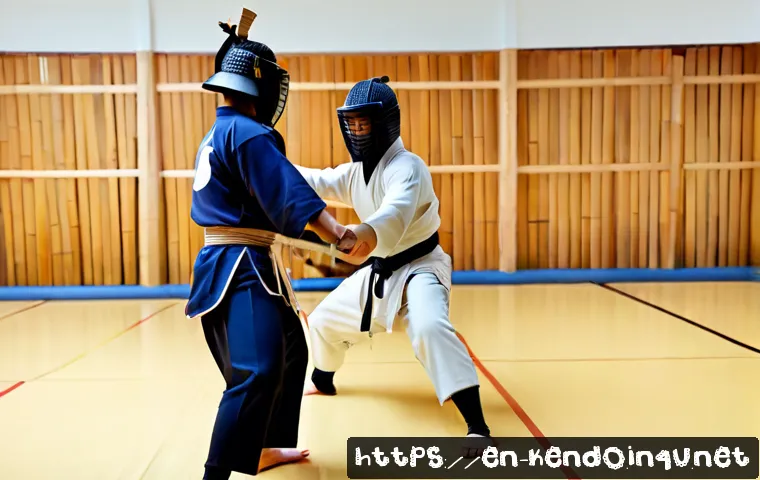
The best martial arts class is not the most popular one online; it is the one that matches your goals, schedule, budget, and access to qualified coaching.
A trial lesson can reveal more than a highlight video, especially when you pay attention to class culture, beginner support, and equipment policies. Before joining, compare membership terms, travel time, protective gear needs, and how the instructor manages contact and safety.
At a Glance
- Choose kendo for weapon-based training, timing, distance, discipline, and a formal dojo environment.
- Choose striking or grappling arts if you prefer punches, kicks, clinch work, throws, or ground-based control.
- Compare local classes carefully because tuition, trial lessons, equipment rules, schedules, and safety practices vary by school.
| Training Style | Main Focus | Contact and Equipment | Useful Trial-Class Question |
|---|---|---|---|
| Kendo | Weapon discipline, timing, distance, etiquette | Structured sparring; bamboo sword and protective gear are important as training progresses | Can beginners borrow equipment, and when is personal gear needed? |
| Karate / Taekwondo | Striking technique, forms, kicking, coordination | Contact level varies by school and ruleset; uniforms are common | How much partner sparring is included for beginners? |
| Boxing / Muay Thai | Hands, footwork, conditioning, striking pressure | Partner drills and sparring may be part of training; protective equipment policies vary | How is sparring introduced and supervised? |
| Brazilian Jiu-Jitsu / Judo | Grappling, control, throws, positional skill | Close-contact partner training; uniforms may be required depending on the class | How are new students paired and taught to train safely? |
| Fencing | Weapon timing, target awareness, competitive movement | Specialized weapon and protective equipment; rules and movement differ from kendo | What equipment is provided for introductory students? |
Is Kendo the Right Martial Art for Your Goals?
Quick Answer: Choose by Training Purpose, Not Reputation Alone
Kendo may suit you if you enjoy structured practice, weapon training, repeated technical drills, and formal etiquette. It is not automatically better or worse than karate, boxing, Brazilian jiu-jitsu, or fencing. Each discipline develops different habits, and consistency matters more than choosing the trendiest school.
Before enrolling, decide what you want from training: fitness, competition, stress relief, cultural study, weapon practice, or a self-defense-related skill set. A school membership is easier to maintain when the class format supports your real reason for attending.
What Makes Kendo Distinct: Bamboo Sword Practice, Distance, Timing, and Etiquette
Kendo centers on training with a bamboo sword in a rules-based environment. Students work on distance, timing, posture, movement, commitment, and respect for training partners. The learning process can appeal to people who prefer clear routines and a long-term technical path.
As training advances, protective gear and supervised sparring become more relevant. Ask how beginners progress from basic movement and drills into partner work. Do not assume that every dojo follows the same equipment timeline or class structure.
When Another Martial Art May Fit Better
Another martial art may be a better starting point if you mainly want punching and kicking, close-range grappling, fitness conditioning, or a self-defense-focused curriculum. Boxing and Muay Thai may appeal to students who want striking pressure and conditioning. Brazilian jiu-jitsu and judo may suit people who enjoy partner control, throws, and grappling. Fencing can be attractive if your interest is weapon sport but you prefer its distinct rules, targets, and movement style.
Compare Training Focus, Contact, and Learning Style
Kendo Versus Karate and Taekwondo: Weapon Training Versus Striking Forms and Kicking
Kendo focuses on weapon-based distance and sword movement. Karate and taekwondo generally emphasize striking mechanics, forms, body control, and kicking or punching technique. A student who wants to use hands and feet as the main training tools may find a striking class more intuitive.
Still, class culture matters. Some schools prioritize forms and technical repetition, while others include more sparring. Watch one full class if possible rather than making a decision from one demonstration.
Kendo Versus Boxing and Muay Thai: Sparring Intensity, Conditioning, and Striking Pressure
Boxing and Muay Thai usually place greater emphasis on striking combinations, movement under pressure, and physical conditioning. Kendo also has demanding movement and sparring, but its technical problem is different: managing distance and timing with a weapon.
Ask directly about beginner sparring rules, protective equipment, partner matching, and coaching supervision. Contact level can vary significantly between academies, even within the same martial art.
Kendo Versus Brazilian Jiu-Jitsu and Judo: Stand-Up Distance Versus Grappling and Throws
Brazilian jiu-jitsu and judo are built around close-contact partner work. Their training may include grips, balance, throws, control, and ground positions. Kendo keeps students focused on stand-up distance and weapon exchanges rather than prolonged grappling.
If you dislike close physical contact, kendo or a striking art may feel more comfortable. If you enjoy solving problems through leverage and positional control, grappling may be the better match.
Kendo Versus Fencing: Shared Weapon Concepts, Different Rules, Equipment, and Movement
Kendo and fencing both reward timing, distance, awareness, and committed action. However, they are separate systems with different weapons, protective equipment, scoring conventions, movement patterns, and class traditions. A beginner should try both if local access allows rather than assuming one is simply a version of the other.
Class Costs, Equipment, and Time Commitment
What to Ask About Trial Classes, Monthly Tuition, and Membership Terms
Costs vary by region and school, so avoid relying on generic online estimates. During a trial class, ask about introductory packages, monthly tuition, enrollment terms, cancellation policies, class frequency, and additional testing or competition expenses where applicable.
Also consider travel time. A lower-cost dojo that is difficult to reach may be less practical than a nearby class you can attend consistently.
Uniform, Protective Gear, Weapon, and Replacement-Cost Considerations
Training equipment can be a meaningful part of the decision. Kendo may eventually require a uniform, bamboo sword, and protective gear. Other martial arts may require gloves, protective items, a uniform, or specialized weapons and clothing. Ask which items are optional, which are required, and whether replacements are your responsibility.
Why Borrowing Beginner Equipment Can Reduce a Poor Early Purchase Decision
If a dojo offers loaner gear for beginners, that can make the first decision easier. You can learn whether the class schedule, training culture, and physical demands suit you before committing to a full equipment purchase. Check the school’s official information or speak with staff for current gear requirements.
Safety, Coaching Quality, and Beginner Mistakes

How Supervised Sparring and Properly Fitted Protective Gear Affect Safety
Safety depends on supervision, sparring rules, properly fitted equipment, personal health, and participant behavior. No martial art is risk-free, but a thoughtful beginner program should explain how drills progress and how partners are expected to train together.
Questions to Ask an Instructor Before Enrolling
Ask how new students are introduced to contact, whether beginners can observe before joining, how equipment fitting is handled, and what qualifications or experience the instructor brings to the program. You can also ask how the school responds when a student needs to train at a slower pace.
Common Mistakes: Buying Full Gear Too Soon, Ignoring Commute Time, and Choosing a School Only for Price
A cheap membership is not always the best value if the schedule is unsuitable or the coaching style does not fit. Likewise, buying every piece of gear before trying the class can create unnecessary expense. Compare the complete commitment: tuition, gear, travel, time, and whether you genuinely want to return each week.
Choose Based on Your Situation
For Fitness-Focused Beginners
Look for a class you can attend regularly and enjoy. Kendo, boxing, karate, taekwondo, judo, and Brazilian jiu-jitsu can all support fitness through consistent practice. Choose the training style that makes you want to keep showing up.
For People Interested in Practical Self-Protection Skills
Be specific about what the school actually teaches. Kendo develops valuable discipline, distance awareness, and decision-making within its training context, but it is weapon-based practice. If your priority is a self-defense-focused curriculum, ask local schools how their classes address awareness, avoidance, physical training, and realistic boundaries.
For Competitors and Structured Sparring Enthusiasts
Kendo may be rewarding for students who enjoy rules-based weapon sparring and a clear technical structure. Boxing, Muay Thai, fencing, judo, Brazilian jiu-jitsu, karate, and taekwondo may also offer competitive pathways depending on the school. Confirm whether competition is optional, encouraged, or central to the program.
For Students Drawn to Tradition, Discipline, and Weapon-Based Practice
Kendo is especially worth exploring if you value etiquette, ritual, long-term refinement, and sword-based training. Observe whether the dojo’s teaching style feels respectful and understandable, not merely strict. Good structure should help beginners learn rather than make them feel excluded.
Selection Criteria and Comparison Summary
Before choosing a dojo or academy, compare trial-class availability, total membership terms, required protective equipment, travel time, beginner coaching, and sparring supervision. Ask whether you can borrow gear before purchasing it, and clarify what is included in an introductory package. Kendo offers better value when weapon training, disciplined repetition, and structured sparring are your real priorities. If you are undecided, try more than one style and compare the full class experience. For current tuition, gear requirements, and enrollment conditions, check the school’s official class information page.
In Closing
The right martial art is the one you can train consistently with safe, capable instruction. Kendo stands apart through bamboo sword practice, distance management, etiquette, and formal sparring structure. A local trial lesson is often the clearest way to compare it with striking, grappling, or fencing classes. Choose based on your purpose, not on popularity alone.
Useful Things to Know
1. Observe a full beginner class when possible, not only an advanced session.
2. Ask when contact and sparring begin for new students.
3. Confirm whether uniforms and protective gear can be borrowed.
4. Factor commute time into the real cost of training.
5. Read membership and cancellation terms before paying.
Important Notes
Exact tuition, schedules, instructor credentials, equipment costs, and safety policies differ by school and location. Injury risk also varies with supervision, rules, equipment fit, health factors, and participant behavior. This comparison is general guidance, so confirm current details directly with each dojo, academy, or fencing club before enrolling.
Frequently Asked Questions
Q1. Is kendo more expensive than karate, boxing, or Brazilian jiu-jitsu?
A1. It depends on the local school, membership structure, and equipment requirements. Kendo may involve specialized protective gear and a bamboo sword as training progresses, while other arts may require uniforms, gloves, or other items. Ask for the full expected cost before joining.
Q2. Is kendo safe for beginners compared with other martial arts?
A2. Safety depends more on supervision, rules, equipment, and student behavior than on a simple ranking of martial arts. A beginner should ask how the dojo introduces sparring, checks equipment fit, and manages partner drills.
Q3. Should I choose kendo, fencing, or a self-defense-focused martial art?
A3. Choose kendo for its sword-based discipline and formal training style. Choose fencing if its weapon rules and movement appeal more to you. Consider a self-defense-focused program if that is your primary goal, and ask the school what its curriculum actually covers.
Q4. What should I ask during a martial arts trial class before paying for membership?
A4. Ask about trial-class terms, tuition, membership conditions, required gear, borrowing options, class schedules, beginner instruction, sparring rules, and instructor experience. Also decide whether the travel time and class atmosphere make regular attendance realistic.