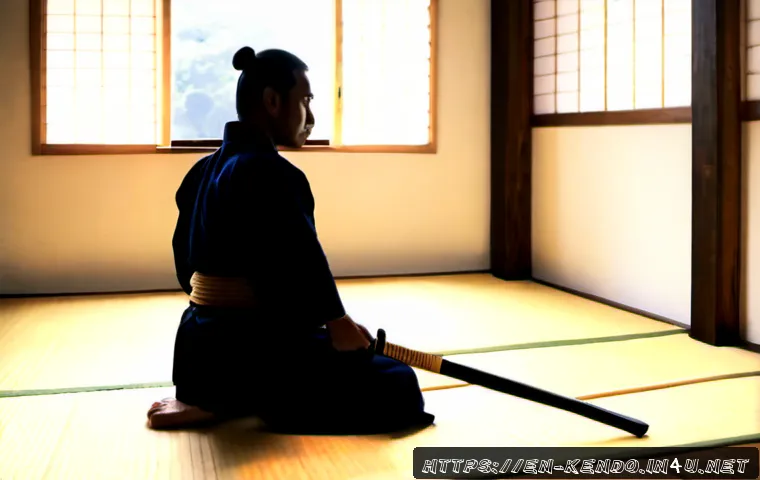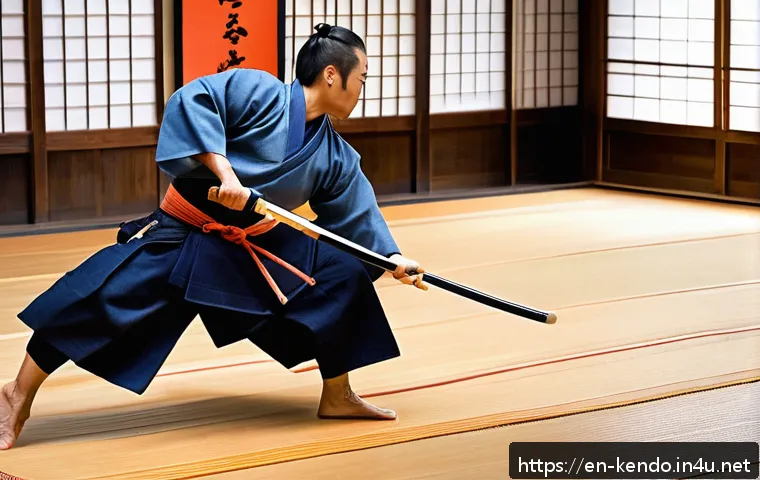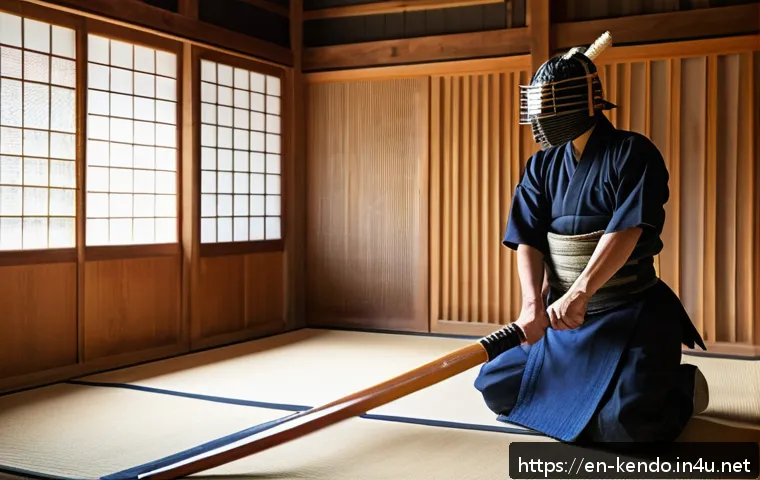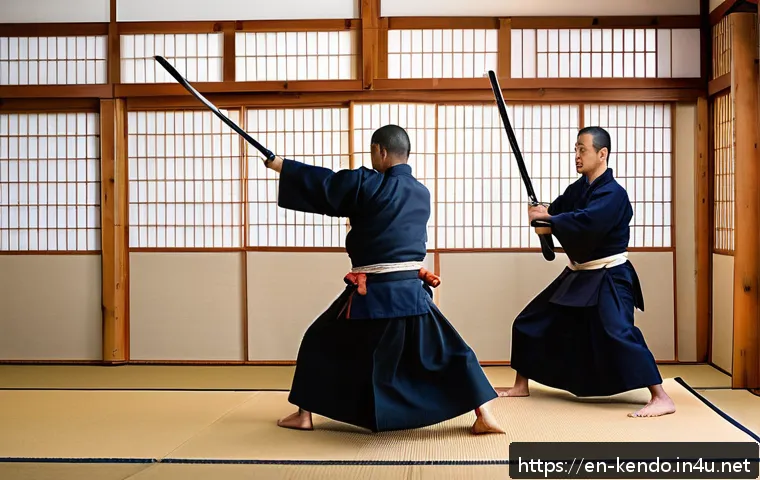
In today’s fast-paced world, finding a practice that sharpens both the body and mind is more valuable than ever. Kendo, the traditional Japanese art of swordsmanship, offers a unique blend of physical skill and spiritual discipline that resonates deeply with modern seekers.
Whether you’re drawn to its rich history or the challenge of mastering precise movements, understanding the basics is the crucial first step. Join me as we explore the fundamental techniques and mindset that make Kendo a powerful path to personal growth and focus.
This guide is designed to help beginners not just learn the moves but also embrace the spirit behind the sword.
Mastering the Basic Stances: The Foundation of Kendo
Understanding the Importance of Kamae
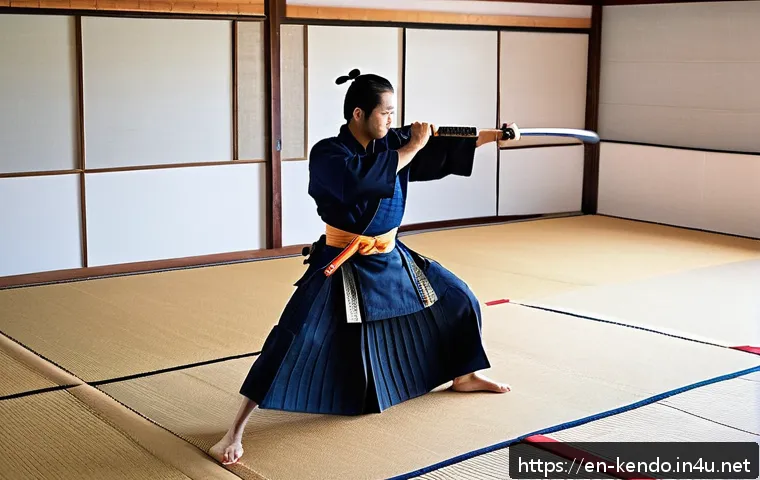
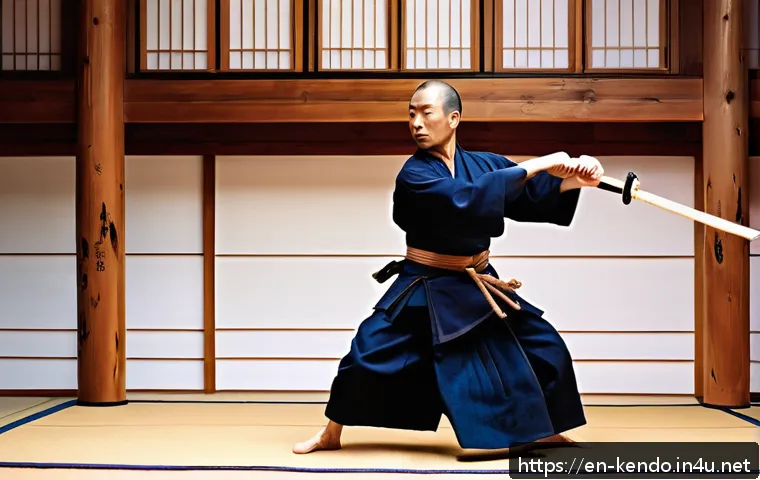
When stepping onto the dojo floor, the first thing you’ll notice is the variety of stances, or kamae, each carrying a specific purpose and energy. Kamae isn’t just about posture—it’s about readiness and mindset.
The most fundamental stance, Chudan-no-kamae, positions your sword at the centerline, offering both offensive and defensive balance. From my own experience, holding this stance correctly made all the difference in feeling confident and controlled during sparring.
It’s not just physical—it’s a mental anchor that prepares you to react swiftly without hesitation.
Shifting Between Stances Smoothly
A common beginner’s challenge is moving between stances without losing balance or flow. I remember my early days when shifting from Chudan-no-kamae to Jodan-no-kamae felt clumsy and awkward.
Practicing footwork, particularly the sliding motion called suri-ashi, helped me maintain a steady center of gravity. This fluid movement is crucial, especially when responding to your opponent’s strikes.
The key is to keep your steps light and controlled, almost like gliding rather than stomping. Regular drilling of these transitions builds muscle memory, making your movements natural and instinctive.
Breathing and Focus Within the Stance
Breathing might seem like a small detail, but it’s essential for maintaining endurance and clarity. When I first started, I underestimated how much calm, steady breathing could influence my performance.
Deep, rhythmic breaths not only help control adrenaline but also sharpen your focus. In Kendo, breath ties closely with ki (spirit), so aligning your breathing with your movements creates a harmony that elevates your practice beyond mere physicality.
Try inhaling slowly before a strike and exhaling sharply as you cut—that energy release makes your strikes more powerful and intentional.
Essential Footwork Techniques to Build Agility
Mastering Suri-Ashi: The Sliding Step
Suri-ashi is the cornerstone of Kendo footwork, enabling practitioners to advance or retreat without breaking balance. When I first learned suri-ashi, it felt unnatural to keep my feet close to the floor while moving, but over time, it became one of my favorite parts of practice.
The movement requires your toes to stay lightly in contact with the ground, sliding smoothly while your knees stay bent. This technique helps maintain a low center of gravity, which is crucial for quick, precise strikes.
Practicing suri-ashi daily will dramatically improve your speed and control during matches.
Okuri-Ashi: The Power Behind the Advance
While suri-ashi handles subtle movements, okuri-ashi is the method for advancing powerfully. It involves moving your back foot first, followed by the front foot, creating a dynamic yet balanced forward motion.
I noticed that when I rushed okuri-ashi without proper form, I lost balance or telegraphed my intentions. The trick is to keep your body relaxed and your feet light, almost like a dance step.
Once you get the timing right, okuri-ashi helps you close distance quickly and deliver strikes with better momentum.
Combining Footwork with Body Posture
Footwork alone won’t win matches; it must be integrated with your upper body movement. Coordinating your steps with your sword strikes and breathing is where real skill develops.
From my own sessions, I realized that when my feet and body were out of sync, my attacks lost precision and power. Effective Kendo requires a seamless flow where your footwork supports your sword’s path, and your eyes remain locked on your opponent.
This coordination takes time but is incredibly rewarding once mastered.
Fundamental Striking Techniques and Their Applications
Men Strike: The Crown Jewel of Kendo Attacks
The men strike, targeting the top of the opponent’s head, is often the first cutting technique beginners learn. When I first executed a clean men strike, the sense of accomplishment was immense—it’s a direct, powerful move that demands precision and timing.
The key is to raise your shinai (bamboo sword) high, then bring it down with a strong, straight cut while stepping forward confidently. Combining this strike with a spirited kiai (shout) not only intimidates your opponent but also centers your energy and focus.
Kote Strike: Mastering Wrist Control
The kote strike targets the opponent’s wrist, which can be tricky due to its smaller target area. Early on, I struggled with aiming and power for kote, but focusing on wrist positioning and timing helped immensely.
This strike is valuable for disrupting an opponent’s grip and opening up their defense. It requires a mix of speed and subtlety; a hard hit is less effective if it misses the wrist precisely.
Practicing slow, deliberate kote strikes builds the muscle memory needed to deliver them fluidly in fast-paced bouts.
Do Strike: Targeting the Side with Precision
The do strike aims at the side torso, a slightly larger but less frequent target. I found that incorporating do strikes into my practice kept my attacks unpredictable and versatile.
Unlike men or kote, do strikes often require a slight angle adjustment and a keen sense of timing to avoid the opponent’s block. It’s a technique that rewards patience and observation, teaching you to read your opponent’s stance and wait for the perfect opening.
Harnessing the Spirit of Kendo: Beyond Physical Movements
Developing Zanshin: The State of Awareness
Zanshin, or “remaining mind,” is the mental state of alertness after a strike. I can’t stress enough how practicing zanshin transformed my approach—not just in Kendo but in daily life.
It’s about staying fully aware, ready to respond even after delivering your attack. This mindset prevents complacency and sharpens reflexes. Cultivating zanshin means you don’t just stop moving after striking; instead, you maintain posture, eye contact, and readiness for any counterattack.
It’s a lesson in mindfulness that carries far beyond the dojo.
Embracing Reiho: The Art of Respect
Respect is the heartbeat of Kendo, expressed through reiho (etiquette). Bowing before and after practice, cleaning your gear, and showing humility toward your opponents might seem formal, but these rituals build character.
I’ve found that this respect fosters a positive learning environment where everyone grows together. Reiho reminds us that Kendo is more than competition; it’s a shared journey of discipline and honor.
Building Endurance Through Consistent Practice
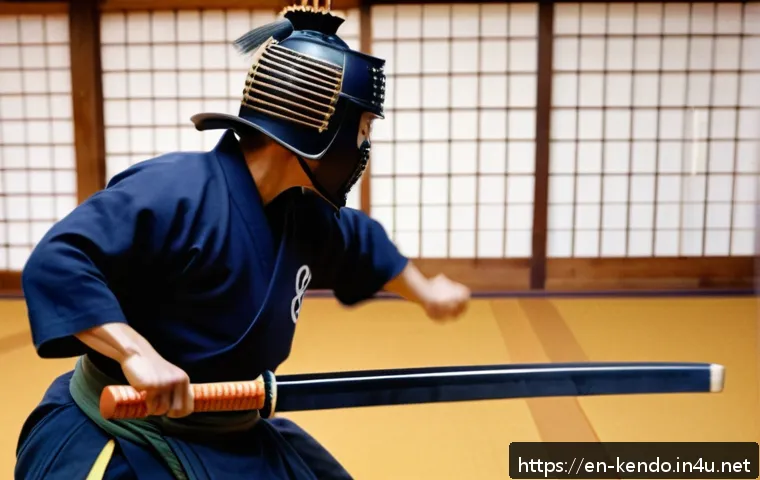
Kendo training can be physically demanding, especially for newcomers. When I started, I underestimated how stamina and endurance would affect my progress.
Regular practice not only improves your technique but also conditions your body and mind to sustain focus during long sessions. It’s normal to feel exhausted initially, but pushing through that barrier leads to breakthroughs in skill and mental toughness.
Incorporating stretching and cardiovascular exercises outside the dojo can accelerate this process and reduce injury risk.
Key Equipment Essentials and How to Choose Them
Understanding the Shinai: Your Primary Tool
The shinai, made from four bamboo slats, is the fundamental practice sword in Kendo. Choosing the right shinai is crucial—it should feel balanced and comfortable in your hands.
When I bought my first shinai, I quickly realized that weight and grip size made a huge difference in control and fatigue. Beginners often start with a standard length and weight, but as you progress, personal preference guides your choice.
Regularly inspecting your shinai for cracks or splinters is vital for safety and performance.
Getting Familiar with Bogu: Protective Armor
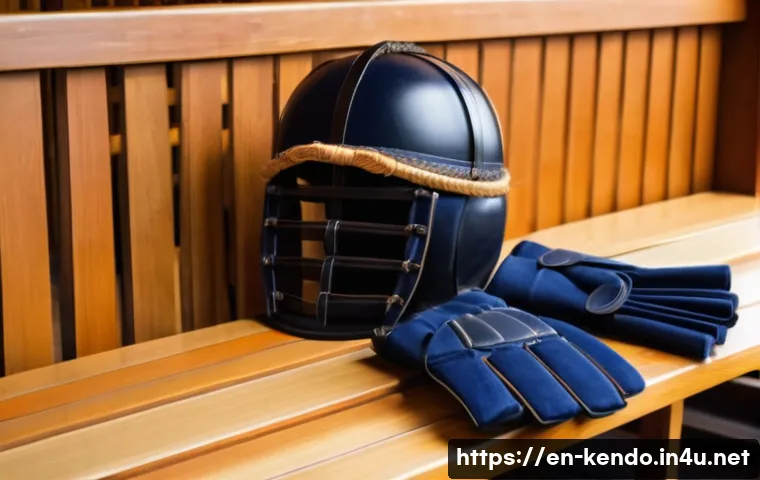
Bogu protects the head, wrists, torso, and throat during sparring. Wearing it might seem overwhelming at first, but it quickly becomes second nature. I remember the first time I donned bogu—I felt a mix of excitement and awkwardness.
Proper fit is essential; ill-fitting armor can restrict movement or cause discomfort. Investing in quality bogu pays off in durability and confidence during practice.
Learning how to care for and maintain your gear extends its lifespan and keeps you safe.
Choosing the Right Hakama and Gi
The hakama (pleated trousers) and gi (jacket) complete your Kendo attire. These garments represent tradition and practicality, designed for freedom of movement and durability.
When shopping for your uniform, consider fabric quality and fit. I found that breathable, slightly heavier materials hold up better through intense training sessions.
Properly folding and storing your hakama also reflects your respect for the art and keeps your gear in good condition.
Tracking Progress: Setting Goals and Measuring Improvement
Setting Realistic Milestones
One of the best ways to stay motivated in Kendo is to set achievable goals. When I first began, I aimed simply to improve my footwork and basic strikes within a few months.
Breaking down your learning into smaller targets—like mastering a specific strike or stance—makes progress feel tangible. Celebrate these wins, no matter how small, to keep your enthusiasm alive.
Regularly revisiting your goals also helps adjust your training focus as you develop.
Using Sparring Sessions as Learning Opportunities
Sparring, or keiko, is where theory meets practice. Initially, I viewed sparring as a test to win, but over time I realized its true value lies in learning from mistakes and opponents.
Treat each session as a chance to apply techniques and observe what works or needs improvement. Asking for feedback from your instructor or more experienced peers adds depth to your understanding.
Reflecting after sparring helps identify patterns and sharpen your strategy.
Keeping a Training Journal
Maintaining a training journal can be surprisingly effective. I started jotting down what I practiced, what felt challenging, and insights gained after each session.
This habit created a personal roadmap of growth and kept me accountable. Writing about mental and physical experiences also deepened my connection to Kendo’s spirit.
Over time, reviewing past entries reveals progress you might otherwise overlook, providing motivation to push further.
| Element | Description | Beginner Tips |
|---|---|---|
| Kamae (Stance) | Posture and sword positioning preparing for attack or defense | Focus on Chudan-no-kamae for balanced offense and defense |
| Footwork | Movement techniques like suri-ashi and okuri-ashi to maintain balance and speed | Practice sliding steps slowly to build muscle memory |
| Strikes | Basic cutting moves: men, kote, and do | Emphasize precision and timing over power initially |
| Zanshin | Mental alertness after a strike | Stay focused and maintain posture even after attacking |
| Bogu | Protective armor worn during sparring | Ensure proper fit and maintain gear regularly |
| Training Journal | Record of practice sessions and reflections | Write consistently to track improvement and challenges |
In Closing
Mastering the basics of Kendo lays a strong foundation for growth both physically and mentally. Each stance, footwork, and strike builds not only skill but confidence and focus. Through consistent practice and mindful awareness, you develop a deeper connection to the art beyond just technique. Embrace the journey, knowing every step brings you closer to mastery and personal growth.
Useful Information to Keep in Mind
1. Consistency is key—regular practice helps build muscle memory and sharpens your reflexes.
2. Focus on quality over speed when learning new techniques to develop solid fundamentals.
3. Proper equipment fit, especially shinai and bogu, enhances comfort and safety during training.
4. Mental readiness, including breathing control and zanshin, is just as important as physical skill.
5. Tracking progress through a training journal or goal setting keeps motivation high and growth measurable.
Key Takeaways
Understanding and maintaining proper stance (kamae) is crucial as it sets the tone for balance and readiness. Smooth, controlled footwork integrates with your posture to maximize effectiveness in both offense and defense. Striking techniques require precision and timing more than brute force, while mental focus and respect elevate your practice beyond physical training. Lastly, investing in good gear and consistent self-assessment fosters safety and continuous improvement on your Kendo journey.
Frequently Asked Questions (FAQ) 📖
Q: uestions about Kendo BasicsQ1: What equipment do I need to start practicing Kendo?
A: When you’re just starting out, you only need a shinai, which is a bamboo sword, and comfortable clothing suitable for movement, like a gi and hakama if available.
Most dojos provide rental gear for beginners, so you don’t have to invest heavily right away. As you progress, you’ll want to get your own bogu (armor) for protection during sparring.
I found that having your own equipment not only boosts confidence but also helps you connect more deeply with the practice.
Q: How long does it usually take to get comfortable with basic Kendo techniques?
A: From my experience and talking with instructors, it generally takes a few weeks to a couple of months to feel at ease with the fundamental strikes and footwork.
Consistency is key—practicing two to three times a week helps build muscle memory and focus. Remember, Kendo isn’t just about physical moves; it’s also about developing the right mindset, which naturally grows over time as you train regularly.
Q: Can Kendo help improve mental focus and discipline in daily life?
A: Absolutely. One of the most rewarding aspects I’ve noticed is how Kendo sharpens mental clarity and self-discipline. The ritualized movements and the emphasis on etiquette encourage mindfulness and respect, which easily translate into everyday habits.
Many practitioners, myself included, find that the concentration required during practice helps reduce stress and enhances decision-making outside the dojo.
It’s like a moving meditation that builds resilience both physically and mentally.