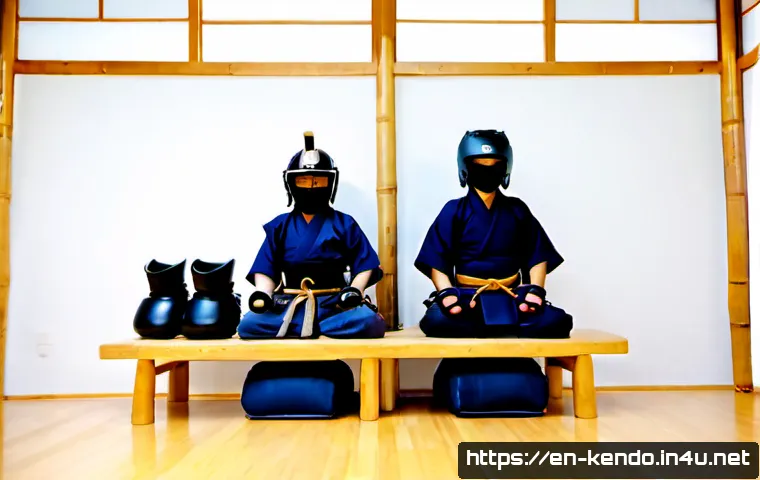
Choose kendo gear brands by fit first, training frequency second, and price third . A well-sized bogu set with clear sizing support and repair options is usually a better purchase than an attractive set chosen only by price or appearance.
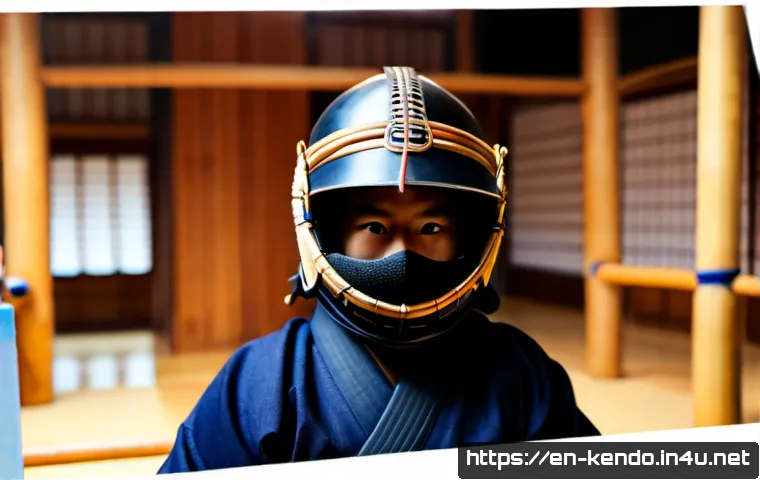
Beginners often benefit from a practical bundle that covers core equipment without unnecessary upgrades. Regular practitioners may find that better construction, mobility, and service support matter more over time.
Before ordering, compare the complete delivered cost, including shipping, returns, possible import charges, maintenance needs, and replacement parts. Your dojo’s equipment expectations should always be confirmed before buying.
At a Glance
- Fit is the first priority: correct measurements affect protection, comfort, mobility, and regular dojo use.
- Match the set to your practice level: a starter bogu bundle can be practical, while frequent training may justify better construction or repair support.
- Compare total value, not just the listed price: sizing help, return terms, shipping, repairs, and replacement availability can change the real cost.
| Gear Category | Best Use Case | Typical Trade-Offs | Buying Checks |
|---|---|---|---|
| Entry-Level Bogu | First-time students building a basic kendo equipment setup | May offer fewer refinement options in materials, stitching, or long-term service | Confirm measurements, dojo requirements, included accessories, and return policy |
| Mid-Range Bogu | Regular dojo members who want a balance of protection, mobility, and durability | Higher initial cost than a beginner bundle; specifications still need comparison | Review construction details, sizing support, repair availability, and delivered cost |
| Premium Bogu | Experienced practitioners seeking specific fit, finish, or construction preferences | Features may not provide meaningful value for an early-stage student | Ask about measurements, stitching method, maintenance, repairs, and dojo suitability |
The Short Answer: Choose Kendo Gear by Fit, Training Frequency, and Service Support
The strongest brand comparison starts with the question, “Will this equipment fit my training situation?” Bogu is not a decorative purchase. Its fit influences protection, movement, comfort, and whether the gear remains useful during normal dojo practice. A lower-priced option can be sensible, but only when sizing, basic construction, and seller support are appropriate for the buyer.
Why the Cheapest Set Is Not Always the Lowest-Cost Option
A low listing price does not show the full cost of a kendo armor set. Shipping, international delivery charges, return conditions, alterations, maintenance, and future repairs can all matter. If the sizing process is unclear or a return is difficult, a bargain may become inconvenient quickly. Compare the total delivered cost and the help available if the men, kote, do, or tare does not fit as expected.
When a Beginner Bundle Is the Practical Choice
A beginner bundle can make sense when a new student needs the core equipment in one purchase: bogu, kendogi, hakama, shinai, and basic accessories such as tenugui or a gear bag. It can simplify the first order and reduce the risk of missing a necessary item. Still, check exactly what is included. A bundle should not replace confirming the measurements, shinai expectations, and uniform style accepted by the dojo.
When an Upgrade Becomes Worth Considering
An upgrade may be worth considering when training becomes more frequent, when fit limits movement, or when a practitioner has clearer preferences about padding, ventilation, and construction. More refined equipment is not automatically the right choice. The important question is whether its features solve a real practice need, such as better fit support, improved serviceability, or construction details that suit regular use.
Compare Bogu by Protection, Construction, and Long-Term Value
A standard bogu set includes the men, kote, do, and tare. Compare each piece individually instead of treating a complete set as one unexplained product. Good retailer listings describe materials, construction, sizing instructions, and included components clearly enough for a buyer to ask useful follow-up questions.
Men, Kote, Do, and Tare: What to Inspect in Each Piece
The men should be evaluated for sizing guidance, padding approach, and how it is intended to sit around the head and face. For kote, focus on fit through the hand and wrist area, since movement and comfort are important in regular practice. For the do and tare, check the available measurements, attachment details, and how the pieces are described as part of the overall fit. The goal is not to find a universally best design, but to find gear that is appropriately sized and clearly specified.
Machine-Stitched Versus Hand-Stitched Construction
Bogu can use different materials and construction methods, including machine-stitched and hand-stitched options. Neither label alone tells you whether a set is right for you. Instead, treat stitching method as one comparison point alongside fit, intended use, construction information, care needs, and budget. If a seller uses technical terms without explaining the practical effect on the specific model, ask for clarification before ordering.
Mobility, Padding, and Ventilation Trade-Offs
More padding, a different construction approach, or a particular fit can influence how the armor feels during practice. These are trade-offs, not automatic upgrades. A first-time buyer may prioritize straightforward protection and sizing support, while a regular practitioner may place more value on mobility or a more refined fit. Do not assume that a premium-looking set will be more comfortable unless the measurements and specifications support that conclusion.
Entry-Level, Mid-Range, and Premium Price-Value Categories
Entry-level kendo armor sets are often most relevant to new students who need functional equipment without paying for details they may not yet understand. Mid-range gear can be a useful category for consistent practitioners comparing durability, fit options, and service support. Premium gear may suit advanced users who know their preferences, but it should be chosen for specific reasons rather than status. Spend more only where the feature matches your actual training needs.
How to Evaluate Gear Brands and Retailer Listings
Brand reputation can be helpful, but a useful kendo gear comparison is built from the listing itself. Look for transparent specifications, measurement guidance, responsive support, and clear policies. A brand name cannot replace a proper fit check or confirmation that the equipment works with your dojo’s requirements.
Sizing Guidance and Measurement Support
Prioritize retailers that explain how to measure and what information they need before recommending a size. Since correct sizing affects protection and mobility, this is one of the most important parts of a bogu purchase. If the instructions are vague, ask whether the seller can review your measurements before dispatch. For youth kendo equipment, sizing guidance is especially important because the buyer may be ordering for someone else.
Materials, Stitching Details, and Specification Transparency
Compare what each listing actually states about materials and construction. Clear descriptions make it easier to compare two kendo armor sets without relying on photos alone. Appearance can be appealing, but it should come after practical information: included components, construction details, care instructions, sizing support, and any stated repair options.
Repairs, Replacement Parts, Returns, and Warranty Checks
Ask whether repairs are available and whether replacement parts can be obtained if needed. Review return terms before placing an order, particularly for equipment selected through remote sizing. Warranty terms, if offered, should be read directly from the seller because coverage and conditions can vary. A retailer with straightforward after-sales support may offer better long-term value than one with a lower initial price.
Shipping, Import Charges, and the Real Delivered Cost
For imported kendo gear, shipping and possible import charges can materially change the final purchase decision. Check where the order ships from, whether shipping is calculated before payment, and how returns are handled across borders. Avoid comparing one retailer’s product price with another retailer’s delivered total. Use the same checklist for every option.
Avoid Costly Mistakes When Buying Kendo Equipment
Most expensive mistakes happen before the order is placed: skipping measurement confirmation, assuming all dojo requirements are identical, or buying features without a clear purpose. A careful comparison does not take long, and it can prevent a gear set from becoming difficult to use or difficult to return.
Do Not Buy Bogu Before Confirming Measurements
Do not select bogu based only on a general clothing size or a product photo. Follow the retailer’s measurement process and provide complete information when requested. If you are between options or unsure how a piece should fit, request sizing confirmation. A correct fit is more valuable than a small price difference.
Check Dojo Expectations for Shinai Size and Uniform Style
Shinai selection should be checked with your dojo or instructor before buying. Dojo expectations can affect the suitable shinai size and other equipment choices, including uniform style. This is particularly important for beginners and parents purchasing youth equipment. Buying a shinai bundle is convenient only if the contents fit the practitioner’s training requirements.
Avoid Overpaying for Features That Do Not Match Your Practice Level

It is easy to be drawn to detailed stitching, premium presentation, or a highly specialized configuration. Those features may be appropriate for some practitioners, but not every buyer needs them. First identify your training frequency, expected use, and budget. Then compare features that directly support those needs instead of treating every upgrade as essential.
Inspect Shinai and Maintain Armor After Purchase
Shinai require regular inspection for splinters, cracks, loose bindings, and damaged leather components. Do not treat a shinai as a purchase-and-forget item. Armor also benefits from regular care and attention to its condition. Follow relevant care guidance from the seller or manufacturer, and address damage rather than assuming equipment remains suitable without inspection.
Match Your Purchase to Your Training Situation
The right kendo gear brand or retailer is not the same for every buyer. A useful comparison starts with the person using the equipment, how often they train, and what support they may need after the purchase.
First-Time Students Joining a Dojo
New students should focus on complete basics, reliable measurement support, and clear return terms. A practical uniform package or beginner bogu bundle can reduce ordering complexity, but confirm each included item. Ask the dojo what should be purchased now and what can wait until training needs are clearer.
Regular Adult Practitioners Training Multiple Times per Week
Frequent practitioners may place more emphasis on fit consistency, mobility, construction details, and repair availability. Compare mid-range and higher-specification options by how they support regular training, not by appearance alone. It can be reasonable to spend more when the additional support or construction clearly fits the person’s practice routine.
Competitors and Advanced Practitioners Seeking Refinement
Experienced practitioners may have specific preferences for fit, feel, and construction. These buyers should examine detailed specifications and discuss requirements with their instructor or retailer when necessary. Competition requirements and dojo preferences should be confirmed directly rather than assumed from a product description.
Parents Buying Youth Kendo Equipment
Parents should prioritize measurement accuracy, dojo guidance, and practical support if adjustments are needed. Youth equipment must still fit correctly; buying oversized gear simply to anticipate growth can reduce comfort and usefulness. Confirm the shinai and uniform expectations with the dojo before choosing a youth package.
Selection Criteria and Comparison Summary
Before ordering, compare measurement support, complete set contents, construction details, return conditions, repair or replacement options, and total delivered cost. Check whether a shinai bundle, uniform package, or bogu set includes the items you actually need. Confirm shipping and any possible import-related costs before treating one listing as the lower-cost choice. If fit is uncertain, ask an instructor or retailer for sizing confirmation. For official product details, current stock, and service conditions, check the relevant retailer page directly.
A Final Brand-Comparison Checklist Before Ordering
Can the seller explain sizing clearly? Does the listing identify what is included? Are materials and construction details transparent? Are returns and repairs explained? Have you checked dojo expectations for shinai and uniform choices? If any answer is unclear, pause before purchasing.
Which Features Deserve More of Your Budget
Put more of the budget toward correct fit, useful protection, transparent specifications, and dependable post-purchase support. These factors are more likely to affect everyday practice than purely visual details. Premium construction can be worthwhile when it matches a defined need, but it is not a universal requirement.
When to Ask an Instructor or Retailer for Sizing Confirmation
Ask before ordering if you are new to bogu, buying for a child, comparing unfamiliar sizing systems, or choosing between two sizes. Ask your instructor when dojo rules, competition expectations, shinai selection, or uniform style are uncertain. A short confirmation can be more valuable than guessing from photos.
In Closing
Comparing kendo gear brands is less about finding one universal winner and more about finding equipment that fits your body, training routine, and dojo expectations. Start with measurements and core protection, then compare construction, service, and the real delivered cost. A beginner bundle may be the right choice for one student, while a regular practitioner may reasonably value repair support or more specific fit options. Check the current details for each model before making a final decision.
Useful Things to Know
1. A standard bogu set generally includes men, kote, do, and tare.
2. Kendo equipment commonly also includes a kendogi, hakama, shinai, tenugui, and a gear bag.
3. Shinai should be inspected regularly for splinters, cracks, loose bindings, and damaged leather parts.
4. Shipping, return policies, and repairs can matter as much as the initial product price.
Important Notes
No single brand is universally best for every kendo practitioner. Current prices, inventory, shipping charges, warranty conditions, and retailer policies must be checked directly before purchase. A product listing also cannot confirm whether a specific item meets your dojo rules, competition requirements, or instructor preferences. Fit, model specifications, construction, and care history all affect how suitable a set may be over time.
Frequently Asked Questions
Q1. How much should a beginner expect to spend on a complete kendo gear setup?
A1. The total varies by the bogu category, included uniform and shinai items, sizing services, shipping, return terms, and possible import charges. Compare the complete delivered cost rather than relying on a single advertised price.
Q2. Is a cheaper machine-stitched bogu set safe enough for regular dojo practice?
A2. A machine-stitched set should not be judged by stitching method alone. Check the specific model’s fit guidance, construction information, intended use, condition, and your dojo’s expectations. Correct sizing remains essential for protection and comfort.
Q3. What should I compare besides price when choosing between kendo equipment brands?
A3. Compare sizing support, included components, materials and construction details, return policy, shipping cost, possible import charges, repair options, replacement availability, and whether the gear matches your training level and dojo requirements.