Kendo is valuable because it develops disciplined practice, etiquette, and long-term self-improvement—not sword technique alone. Beginners should choose a dojo based on safe instruction, clear onboarding, respectful culture, and transparent equipment policies before committing.
Training uses bamboo swords called shinai and usually combines footwork, strikes, partner drills, kata, formal bowing, and dojo etiquette. Competition can be part of the experience, but it is not the only measure of progress.
A trial class or beginner course can help you assess whether the training structure fits your goals before you buy protective armor or start a full membership.
At a Glance
- Kendo builds character as well as technique through repeated practice, self-control, awareness, and respect.
- Etiquette is part of training, including formal bowing and care for partners, instructors, equipment, and the dojo space.
- Compare local dojo policies before committing, especially beginner instruction, equipment requirements, membership terms, and grading expectations.
| Training Option | Commitment Level | Typical Equipment Need | Questions to Ask |
|---|---|---|---|
| Trial Class | Short introduction | Often limited gear; confirm the dojo’s policy | Can beginners observe first? Is equipment provided or borrowed? |
| Beginner Course | Structured early learning period | Shinai and training clothing may be needed; policies vary | What fundamentals are taught? When is protective gear introduced? |
| Full Dojo Membership | Ongoing, long-term practice | Uniform, shinai, and eventually bogu may be required | What are dues, attendance expectations, grading fees, and equipment rules? |
What Kendo Teaches Beyond Striking Technique
Discipline, Composure, and the Purpose of Repeated Practice
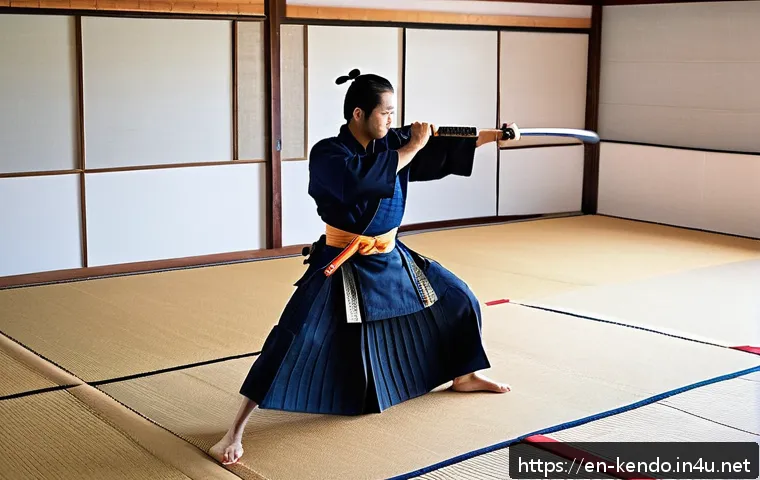
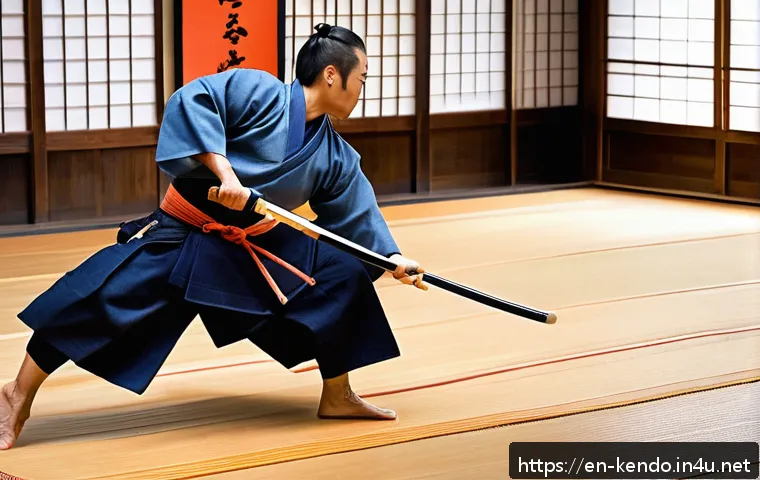
Kendo is a modern Japanese martial art derived from sword traditions. Although practitioners use bamboo swords called shinai, training is not simply about landing a strike. Footwork, posture, timing, striking practice, partner drills, and kata are repeated so that movement becomes more deliberate under pressure.
That repetition can be useful for people who want a structured activity rather than a casual workout. A good beginner program should make room for basic movement and correction instead of rushing students toward advanced equipment or competition. The important question is not only, “Will I learn to use a shinai?” but also, “Will this class help me practice with patience and control?”
Respect for Opponents, Instructors, and the Training Space
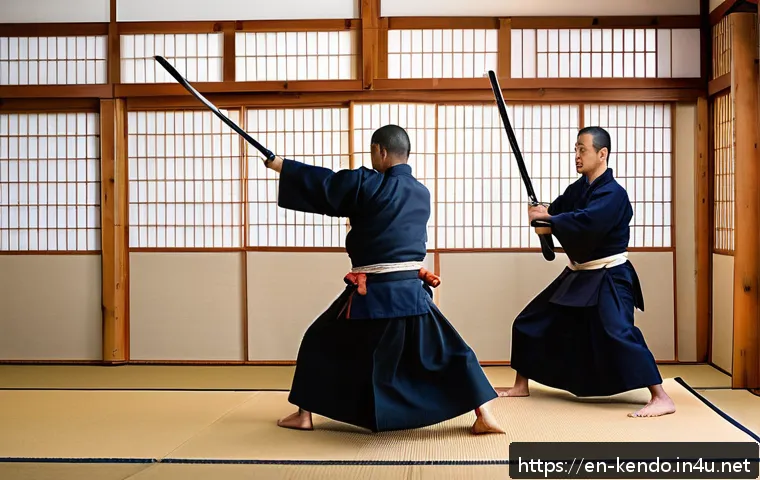
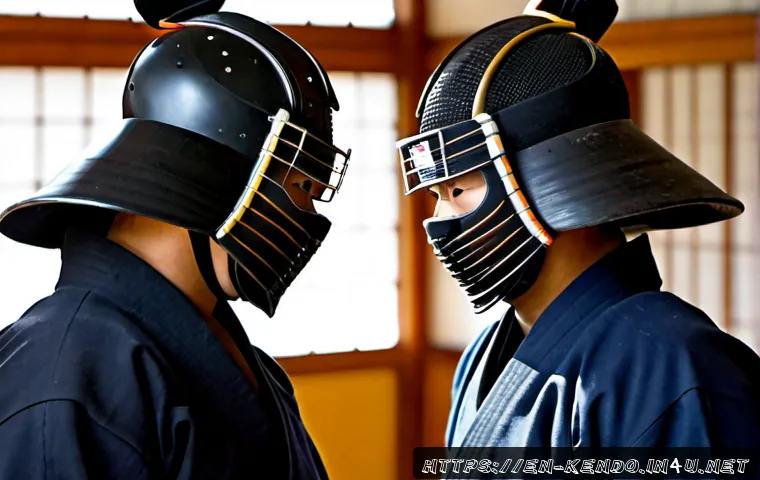
In kendo, an opponent is also a training partner. Progress depends on both people practicing safely, honestly, and with attention. This is why reiho, or etiquette, is central to the dojo. It includes respect for instructors, fellow students, equipment, and the shared training space.
Formal bowing is one visible part of this culture, but the larger point is daily conduct. Listening during instruction, handling equipment carefully, and helping maintain an orderly practice environment all support the training mindset.
Why Personal Improvement Matters Alongside Competition
Competition exists in kendo, and some students enjoy testing their skills in that setting. Still, training is commonly framed as a long-term process of personal development rather than winning alone. A student can improve by becoming more consistent, more attentive, more composed after a mistake, or more respectful in difficult exchanges.
If your only goal is fast results or frequent competition, ask how the dojo balances those goals with fundamentals. A philosophy-focused dojo does not avoid challenge; it teaches students to meet challenge without losing discipline.
The Core Mindset: Etiquette, Awareness, and Courage Under Pressure
How Bowing and Dojo Customs Shape Daily Training
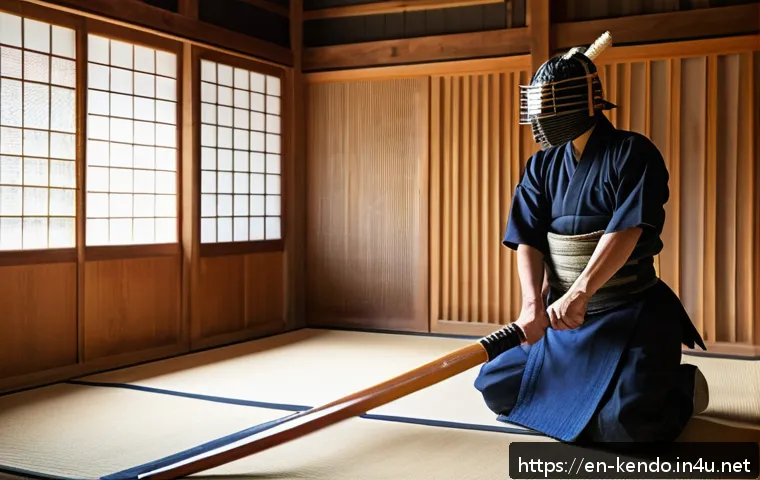
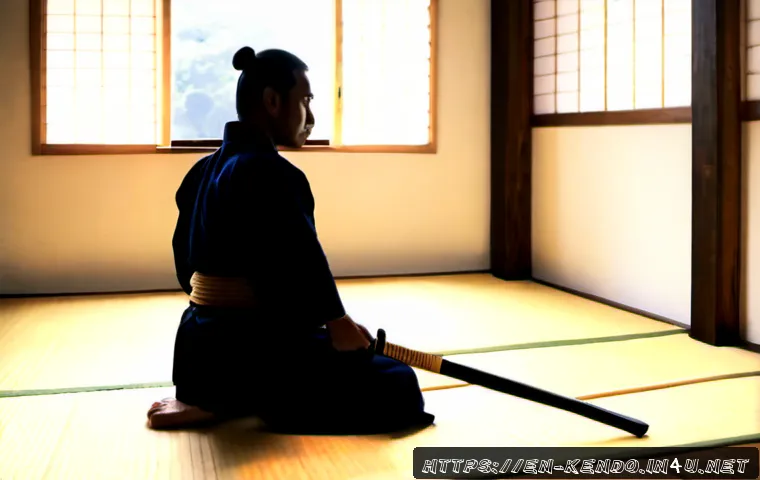
Dojo customs give training a clear beginning and end. Bowing before and after practice helps students shift attention away from everyday distractions and toward the people and space involved in training. For a beginner, this may feel unfamiliar at first. It becomes easier when instructors explain what each custom means rather than treating it as empty formality.
A welcoming dojo should be able to explain its etiquette clearly. Parents and adult beginners can look for an environment where questions are answered respectfully and expectations are communicated without embarrassment.
Maintaining Focus Before, During, and After an Exchange
Kendo asks students to remain aware before an exchange begins, while it unfolds, and after it ends. This includes attention to distance, footwork, posture, the partner’s movement, and one’s own reactions. The goal is not constant tension. It is calm readiness.
Beginners often discover that the hardest part is not swinging the shinai. It is staying present after an error or a missed opportunity. Productive practice means resetting, listening to feedback, and continuing safely.
Common Misunderstandings About Aggression and “Fighting Spirit”
Kendo can look intense, especially during partner drills or competition. That intensity should not be confused with uncontrolled aggression. Strong spirit in training should work together with respect, awareness, and self-control.
If a class seems to reward reckless behavior, dismisses safety concerns, or makes beginners feel pressured to use equipment beyond their preparation, it may not fit your goals. A disciplined dojo treats effort and courtesy as connected, not opposite qualities.
Is Kendo Worth the Time and Cost? A Beginner Comparison
Trial Sessions, Introductory Courses, and Ongoing Membership
A trial session can show you the atmosphere of a dojo, while an introductory course may give you more time to learn basic footwork, etiquette, and striking practice. Full membership is a larger commitment because it involves ongoing attendance, deeper partner training, and eventually more equipment decisions.
Before joining, ask what a beginner is expected to do in the first stage of training. Some dojos organize instruction by experience level, but entry requirements, enrollment rules, and membership fees vary by location. Clear answers are a good sign that the program is prepared to teach newcomers.
Uniform, Shinai, Bogu, and Other Expenses to Plan For
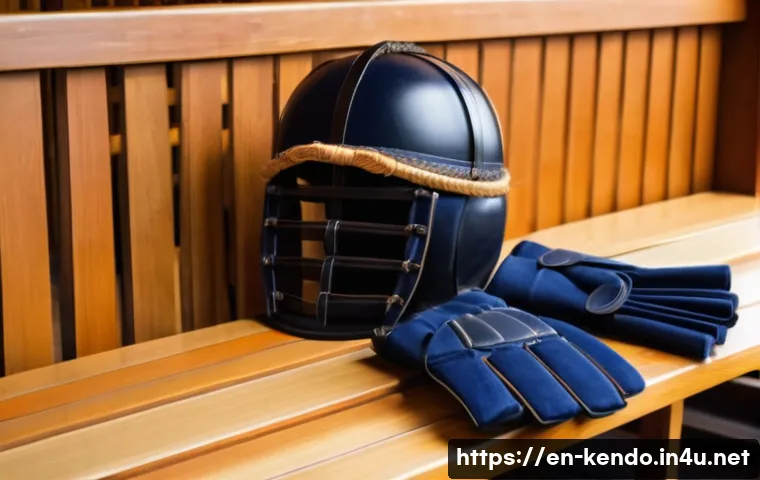
Do not evaluate cost by looking at armor alone. A practical starter-cost checklist includes trial-class policies, class dues, a uniform, shinai, bogu, grading fees, and travel time. Bogu generally protects the head, torso, waist, and hands, but the point at which a student needs it depends on the dojo’s program.
Ask for a written or clearly explained equipment pathway. This helps you separate immediate needs from later purchases. It also reduces the common beginner mistake of buying a complete kit before learning what fits the dojo’s training plan.
When Renting or Borrowing Equipment Makes More Sense Than Buying
Borrowing or renting equipment, where available, can be useful during the decision stage. It gives a new student time to decide whether the class schedule, physical demands, and dojo culture are sustainable. Availability is not universal, so confirm this directly with the local program.
Compare local class policies before purchasing armor. Ask whether the dojo recommends specific equipment, whether sizing support is available, and when bogu is appropriate for a beginner’s level.
Training Habits That Support the Philosophy
Showing Up Consistently Without Rushing Rank Progression
Kendo rewards steady practice. Rank progression can be meaningful, but the time needed to progress varies with attendance, dojo expectations, and individual development. A healthier approach is to focus on the next correction: cleaner footwork, better posture, more attentive etiquette, or safer partner practice.
Choose a membership arrangement that you can realistically maintain. Consistency supports the philosophy more effectively than a short burst of enthusiasm followed by long absences.
Accepting Correction and Practicing Safely With Partners
Correction is part of kendo training. Instructors may focus on details that feel small, such as stance, timing, or how equipment is handled. These details matter because they shape safe and respectful practice over time.
A suitable dojo should supervise beginner partner work and establish clear expectations for conduct. If you have injuries, mobility limitations, or health concerns, discuss participation with an appropriate qualified professional and ask the dojo how it handles modifications or observation.

Beginner Mistakes: Buying Too Much Gear, Neglecting Footwork, or Ignoring Etiquette
New students sometimes focus on armor, competition, or dramatic striking before they have established the basics. That can create unnecessary expense and frustration. Start with the equipment your dojo actually requires, then build gradually as training develops.
Another mistake is treating etiquette as separate from skill. In kendo, respectful preparation, attention to the dojo, and care for a partner support better training. Footwork and reiho may not look as exciting as a fast exchange, but they are part of the foundation.
Which Type of Student May Benefit Most From Kendo?
Adults Looking for Structured Stress Management and Long-Term Skill Building
Adults who prefer clear routines and gradual skill development may appreciate kendo’s structure. The repeated movements, formal practice setting, and focus on attention can offer a constructive way to step away from daily distractions. It is not a substitute for medical or mental-health care, but it can be a meaningful disciplined activity for some people.
Parents Assessing Whether a Dojo Offers an Appropriate Learning Environment
Parents can look beyond the visible activity of a class. Watch whether instructors supervise carefully, explain rules in an age-appropriate way, and treat beginners with patience. Ask how students are grouped by experience, what equipment is needed at each stage, and how the dojo communicates attendance or membership expectations.
A positive learning environment should make respect visible: toward instructors, classmates, equipment, and the training space.
Martial Artists Transitioning From Combat Sports or Other Traditional Arts
Students from other martial arts may bring useful coordination, fitness, or training discipline. Kendo still has its own methods, etiquette, footwork, partner drills, and kata. Approaching it as a separate art—not merely an extension of another combat sport—helps prevent frustration.
Ask whether the beginner class is designed for mixed backgrounds. A clear onboarding process is more valuable than assumptions about what prior experience should transfer.
Choosing a Dojo and Comparing Your Options
Instructor Supervision, Beginner Onboarding, and Safety Standards
Start with what you can observe. Are beginners given clear instruction? Is partner practice supervised? Are dojo customs explained? Does the class appear organized by experience level where appropriate? These signs do not guarantee that a dojo is right for everyone, but they help identify a thoughtful learning environment.
Also consider practical fit. The best kendo dojo for you is not necessarily the closest or most competitive one. It is one where the teaching style, schedule, travel time, and expectations make regular participation realistic.
Questions to Ask About Dues, Equipment, Grading, and Attendance Expectations
Before enrolling, ask direct questions: What are the beginner requirements? What does membership include? Which equipment is needed now, and which purchases can wait? Are there grading-related costs? What attendance level is expected? Is borrowing or rental equipment available? A reputable program should be able to explain its own policies clearly.
Do not assume that another dojo’s fees, grading structure, insurance arrangements, or equipment policy will apply locally. Confirm the details with each program you are considering.
Decision Summary: When to Try a Class, Commit to Membership, or Keep Comparing
Try a class when you want to experience the etiquette, pace, and instructor communication firsthand. Consider membership when the program has a clear beginner pathway and you can sustain the schedule and expected costs. Keep comparing if equipment demands are unclear, beginner questions are brushed aside, or the training culture does not match your goals.
Selection Criteria and Comparison Summary
Before making a decision, check these points: beginner supervision, dojo etiquette and culture, membership and class policies, equipment timeline, grading expectations, and travel practicality. A trial or introductory course can clarify whether kendo’s long-term approach suits you. Compare local class policies before purchasing armor, and review the program’s official information page for current enrollment and equipment details.
In Closing
Kendo offers more than sword-based training. Its value comes from the connection between technique, self-control, perseverance, awareness, and respect. The right dojo should help beginners understand that connection from the first class. Take time to compare programs, ask practical questions, and let fundamentals guide equipment decisions.
Useful Things to Know
Shinai are bamboo swords used in kendo practice. Bogu is the general name for protective armor covering the head, torso, waist, and hands. Reiho refers to etiquette, including respect for people, equipment, and the dojo. These terms are helpful to know before attending a trial class or reading a dojo’s equipment list.
Important Notes
Class fees, enrollment requirements, equipment rental, insurance arrangements, grading standards, and training schedules differ by dojo and location. The time needed to progress also varies with attendance and local expectations. If you have an injury, mobility limitation, or health concern, confirm what participation is appropriate with a qualified professional and discuss practical training options with the dojo.
Frequently Asked Questions
Q1. Is kendo suitable for beginners with no martial arts experience?
A1. Yes, many dojos organize instruction by experience level and teach fundamentals such as footwork, striking practice, etiquette, and partner drills. Requirements vary, so ask how the dojo introduces complete beginners and what equipment is needed for the first classes.
Q2. How much does it usually cost to start kendo, including equipment?
A2. Costs vary by location and dojo policy. Plan for possible trial or course fees, ongoing dues, a uniform, shinai, eventual bogu, grading-related costs, and travel. Ask for a beginner equipment timeline so you do not purchase more than the program currently requires.
Q3. What should I look for when choosing a reputable kendo dojo?
A3. Look for clear beginner instruction, respectful etiquette, appropriate supervision during partner work, transparent membership and equipment policies, and a schedule you can maintain. Ask direct questions about dues, protective gear, grading, attendance, and whether equipment can be borrowed or rented during the early stage.