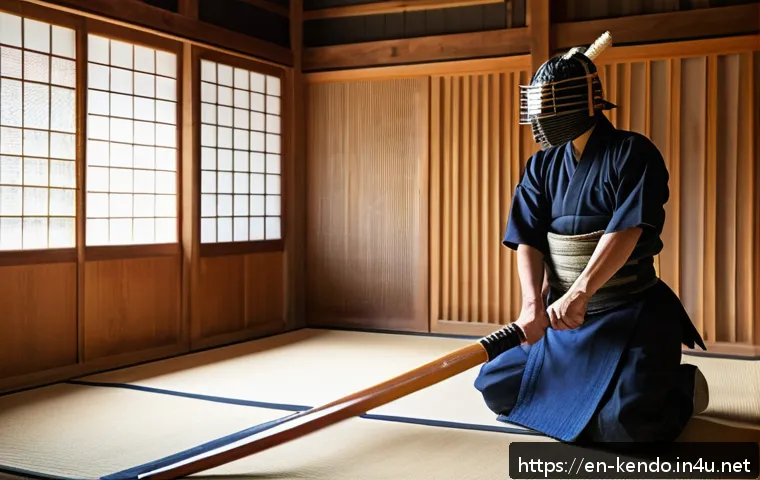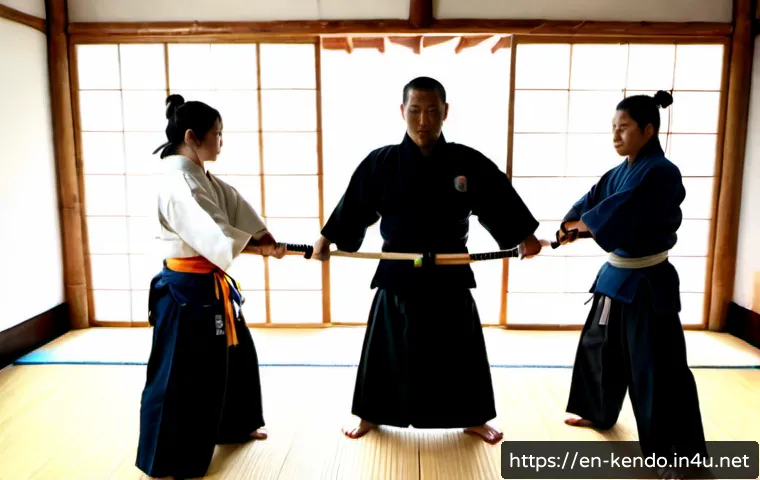
The most credible way to become a kendo instructor is to train consistently, progress through your local grading system, and begin by assisting under a qualified sensei.
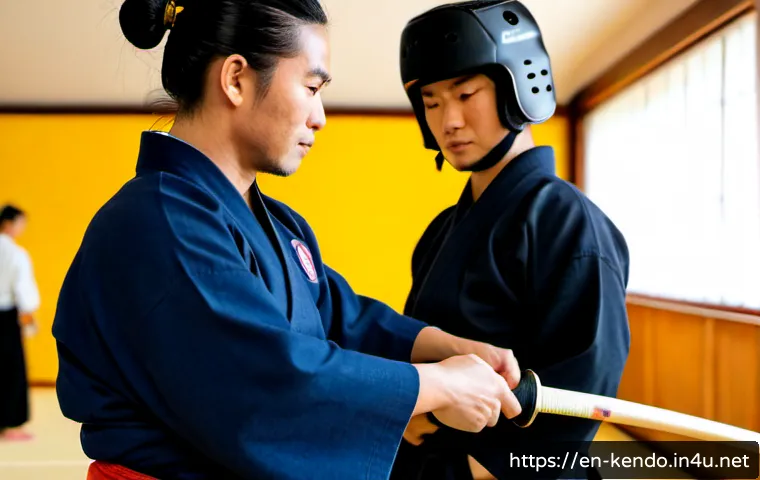
Independent teaching usually comes later, after you understand safe practice, dojo etiquette, student supervision, and the rules of your local federation or organization.
Your best route depends on whether you want to help at an existing dojo, teach through a club program, or eventually manage your own class. Comparing dojo membership, federation access, instructor guidance, insurance expectations, and equipment needs early can prevent expensive mistakes.
Rank matters, but it is not the only measure of teaching readiness. Clear communication, patient correction, and beginner safety are equally important.
Because requirements differ by country and organization, treat generic rank advice as a starting point rather than a final rule.
At a Glance
- Start as a committed student: Build long-term practice habits, technical fundamentals, etiquette, and safe keiko behavior.
- Teach under supervision first: Assisting at an established dojo is often the lower-risk way to learn how classes are run.
- Verify local requirements: Rank, instructor certification, federation membership, insurance, and safeguarding rules can vary by organization and location.
| Teaching Path | Support and Supervision | Cost Considerations | Responsibility Level | Best Fit |
|---|---|---|---|---|
| Assist at an established dojo | Usually high; an experienced sensei can guide class structure and safety | Dojo dues, federation membership, grading, seminars, and personal equipment | Lower at first, but follow the dojo’s rules closely | Practitioners building rank, confidence, and teaching experience |
| Teach through a club or community program | Depends on the organization and available senior instructors | May include program fees, equipment, insurance, and facility arrangements | Shared responsibility for students and administration | Instructors seeking a structured but broader teaching role |
| Run an independent kendo class | You must arrange your own qualified support network | Potential dues, equipment, insurance, facility rental, and administrative expenses | Highest; includes safety systems, policies, and local compliance | Experienced practitioners with local authorization and a practical operating plan |
The Practical Route From Kendo Student to Trusted Instructor
There is no universal shortcut to becoming a kendo instructor. A dependable path combines consistent practice, recognized progression within your local system, safe teaching habits, and guidance from senior instructors. Your dojo and regional federation are usually better sources for teaching expectations than broad online rank claims.
Start With Consistent Practice and a Long-Term Learning Mindset
Kendo teaching begins with being a reliable student. Attend practice regularly, accept correction, and learn how your dojo organizes warm-ups, drills, etiquette, and keiko. Formal progression commonly includes kyū grades followed by dan grades, but the local structure, timing, and eligibility rules may differ.
Do not view rank only as a credential to collect. Each stage should deepen your ability to demonstrate basics, explain purpose, and recognize when a beginner needs a slower or safer progression. If you are unsure whether you may assist or lead a portion of class, ask the dojo leadership directly.
Develop Technical Skill, Etiquette, and Safe Keiko Habits
A prospective instructor should be able to support safe learning, not simply demonstrate strikes. That includes understanding warm-ups, footwork, striking mechanics, protective equipment use, dojo etiquette, and supervised sparring practices. Beginners need clear explanations about distance, posture, movement, and how to use equipment appropriately.
Good instruction also means knowing when not to push a student forward. Avoid treating intense practice as the default answer for every learner. A beginner may need repeated basics, closer supervision, or a break before participating in more demanding activities.
Learn by Assisting Under an Experienced Sensei
Assisting is often the most practical first teaching role. You may help newcomers line up, review basic footwork, check shinai condition, demonstrate drills, or provide simple one-to-one reminders while a qualified instructor leads the class. This allows you to learn class management without assuming full responsibility too early.
Ask for feedback after helping. Useful questions include: Which tasks may I lead? What corrections should I avoid giving? When should I refer a student back to the lead instructor? This approach builds trust and protects students as well as your own development.
Compare the Main Teaching Paths Before You Invest
Before paying for instructor-focused training, extra equipment, or a new dojo membership, decide what role you actually want. The right path is not always the most independent one. Support, recognized progression, and clear responsibility boundaries are often more valuable than early autonomy.
Assisting at an Established Dojo
This route provides the strongest day-to-day learning environment for many aspiring instructors. You can observe how experienced teachers structure beginner lessons, correct behavior respectfully, and manage safety during keiko. It may also connect you with recognized grading events, seminars, and competition pathways through a national or regional federation.
Confirm whether assistants are permitted, what rank or experience level is expected, and whether assistants may lead beginner drills. Policies can differ even between dojos in the same area.
Teaching Within a Club or Community Program
A club or community program may offer more chances to teach, but it can also add administrative tasks. You may need to coordinate practice space, communicate with participants, manage equipment, or follow facility policies. Clarify who is responsible for instructor certification, insurance, student registration, and incident procedures.
This can be a sensible next step when the program has experienced oversight and a clear link to a recognized kendo organization. It is less suitable when teaching expectations are vague or no qualified person is available to supervise technical and safety decisions.
Building an Independent Kendo Class
An independent class offers autonomy, but it also creates the broadest set of responsibilities. You may need to address facility rental, protective equipment, shinai maintenance, insurance, participant records, and local rules for operating a martial arts program. If you plan to coach minors, background checks, safeguarding training, or additional insurance may apply depending on local law and facility policy.
Do not assume that a rank alone authorizes independent instruction. Verify expectations with your federation, dojo organization, facility provider, and relevant local authorities before advertising or accepting students.
Comparison Table: Supervision, Cost, Autonomy, and Administrative Workload
The key trade-off is simple: more independence usually means more administration and more responsibility. An established dojo may require regular dues and adherence to its teaching structure, but it can reduce uncertainty around supervision and student safety. An independent program may require more planning for insurance, equipment, and facility arrangements.
Rank, Federation Involvement, and Instructor Readiness
Instructor readiness should be evaluated locally. Kendo organizations may set different expectations for grading, teaching, seminar attendance, or access to official events. Joining a national or regional federation can be important if you want access to recognized grading opportunities and a clearer progression pathway.
Why Local Grading Rules Matter More Than Generic Rank Claims
It is tempting to search for one minimum rank required to teach kendo. In practice, that answer depends on the country, regional federation, and individual dojo organization. Some groups may distinguish between helping with beginners, leading a supervised class, and taking independent responsibility for a program.
Use rank as part of your preparation, not as a substitute for verification. Check the current rules through the organization that governs your training and grading.
Questions to Ask Your Dojo and Regional Federation
- What rank or experience is expected for assistants and instructors?
- Can lower-ranked practitioners lead beginner exercises under supervision?
- Is federation membership needed for grading events, seminars, or competition pathways?
- Are there instructor certification courses, safeguarding requirements, or refereeing opportunities?
- What insurance or background-check expectations apply when working with minors?
Seminars, Refereeing, and Continuing Education Opportunities
Seminars can expose you to different teaching methods and technical perspectives. Refereeing and organizational work may also improve your understanding of rules, etiquette, and event procedures where those opportunities are available. These activities should support—not replace—regular dojo practice and mentorship.

Budget for Training, Equipment, and Teaching Responsibilities
A realistic budget is broader than the price of a shinai. Planning ahead helps you choose between a dojo-based route, a club position, or an independent class without overlooking recurring commitments.
Recurring Costs: Dojo Dues, Federation Membership, and Grading
Possible recurring costs include dojo dues, federation membership, grading fees, and seminar travel. Exact amounts vary by location and organization, so request current fee details before committing. If teaching is your long-term goal, ask whether instructor development or official seminars require separate registration.
Equipment Planning: Shinai, Keikogi, Hakama, and Bogu
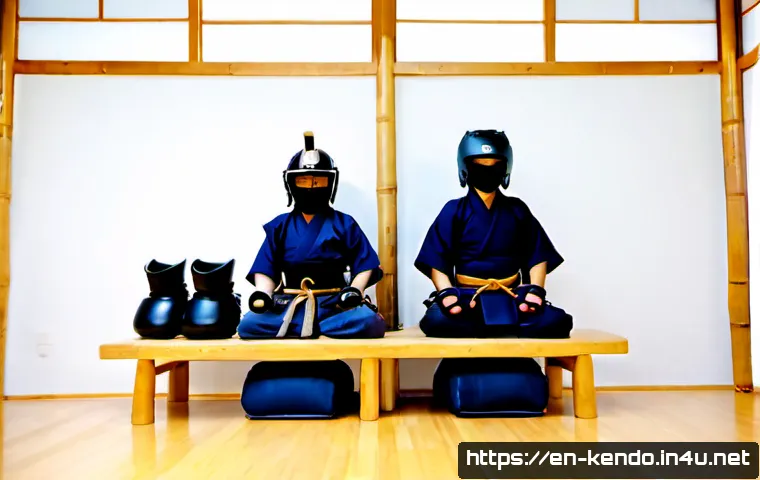
Your equipment plan may include shinai maintenance, a keikogi, hakama, and bogu. In a teaching role, equipment condition becomes more important because students may copy what you demonstrate. Inspect shinai carefully, use protective equipment appropriately, and avoid presenting worn or poorly maintained gear as acceptable practice.
When comparing kendo equipment, focus on suitability, durability, fitting guidance, and maintenance information rather than assuming the most expensive option is automatically the right one.
When Insurance, Background Checks, and Facility Costs Apply
Insurance, background checks, safeguarding training, and facility costs may become relevant when you take responsibility for a class, rent space, or teach minors. The exact requirements are not universal. Confirm them with the facility, program organizer, federation, and appropriate local sources before you begin teaching.
Avoid Common Mistakes When Moving Into a Teaching Role
The transition from student to instructor can go wrong when enthusiasm moves faster than preparation. A careful approach protects beginners, supports the dojo, and preserves the standards of the art.
Teaching Beyond Your Experience or Local Authorization
Do not lead classes or represent yourself as independently qualified if your dojo or federation has not authorized that role. Be transparent about whether you are an assistant, a supervised instructor, or the person responsible for the entire program.
Treating Rank as a Substitute for Communication Skills
Students do not learn from rank alone. They need calm instructions, manageable corrections, and a clear reason for each drill. A trusted instructor adjusts explanations for different learners and avoids overwhelming beginners with too many points at once.
Neglecting Beginner Safety, Inclusion, and Safeguarding
Beginner classes need clear boundaries. Explain etiquette, warm-up expectations, contact rules, equipment use, and when students should seek help. Create an environment where students can ask questions without embarrassment. If minors are involved, follow the safeguarding and supervision rules required by the organization and facility.
Selection Criteria and Comparison Summary
Use these checks before choosing your next step:
- Still building rank and confidence: Look for a dojo where you can assist under direct guidance.
- Seeking structured mentoring: Compare local dojo programs and federation membership options that provide recognized grading and seminar access.
- Considering a paid program or independent class: Confirm instructor authorization, insurance, facility policies, equipment needs, and safeguarding responsibilities first.
- Comparing costs: List recurring dues, grading, seminar travel, shinai replacement or maintenance, uniform, bogu, and possible facility expenses.
- Teaching beginners: Choose the setting with the clearest supervision, safety practices, and student-protection procedures.
Compare local dojo programs, federation membership options, and equipment requirements on their official information pages before making a financial commitment.
In Closing
Becoming a kendo instructor is a gradual responsibility, not simply a title earned after a grading. The strongest path is usually built through regular training, reliable conduct, supervised teaching practice, and local verification. Start by becoming useful to your dojo, then take on broader duties when your sensei and organization consider you ready. Careful planning for membership, equipment, insurance, and facility needs makes the transition more sustainable.
Useful Things to Know
1. A federation connection may provide access to recognized grading events, seminars, and competition pathways.
2. Assisting with beginners can be valuable teaching experience even when you are not yet authorized to run a class independently.
3. Equipment costs are ongoing because shinai need maintenance and all training gear should remain safe to use.
4. Teaching minors can add safeguarding, background-check, and insurance considerations.
Important Notes
Rank requirements, instructor certification rules, fees, insurance expectations, and permission to lead classes vary by country, federation, dojo, and facility. This guide cannot determine your local eligibility to teach. Confirm current requirements directly with your dojo leadership, regional or national kendo federation, facility provider, and relevant local authorities before starting an independent or paid program.
Frequently Asked Questions
Q1. What rank do you need to become a kendo instructor?
A1. There is no single universal rank requirement. Kendo rank, teaching qualifications, and examination rules vary by country, regional federation, and dojo organization. Ask your dojo and federation whether they distinguish between assisting, supervised teaching, and independent instruction.
Q2. How much does it cost to train and prepare for kendo teaching in the United States or other English-speaking countries?
A2. Exact costs vary by location and organization. Your planning list may include dojo dues, federation membership, grading fees, seminar travel, shinai maintenance, keikogi, hakama, bogu, insurance, background checks, and facility expenses where applicable. Request current details from local providers rather than relying on generic estimates.
Q3. Is it better to teach through an established dojo or start an independent kendo class?
A3. For many aspiring instructors, an established dojo offers stronger supervision, mentoring, and safer progression into teaching. An independent class provides more autonomy but can also require responsibility for authorization, student safety, insurance, equipment, facility arrangements, and local compliance. Choose the option that matches your experience, support network, and confirmed local requirements.