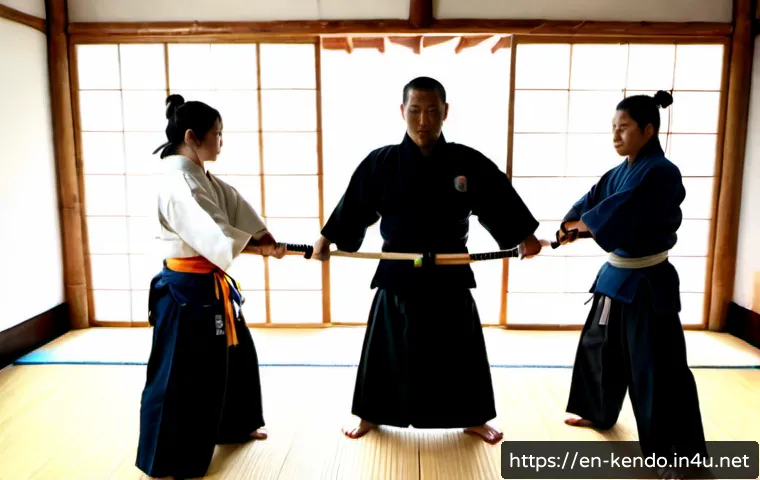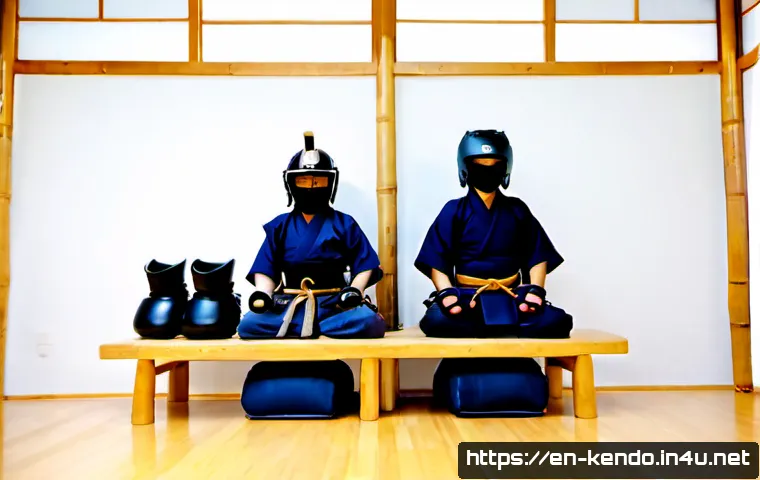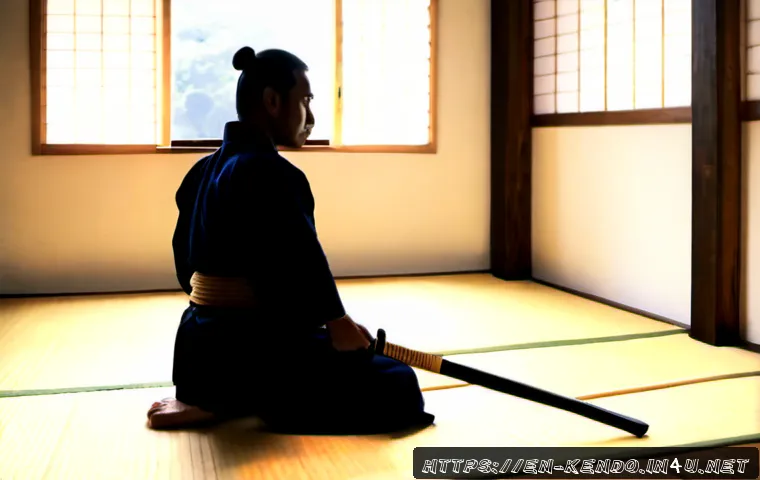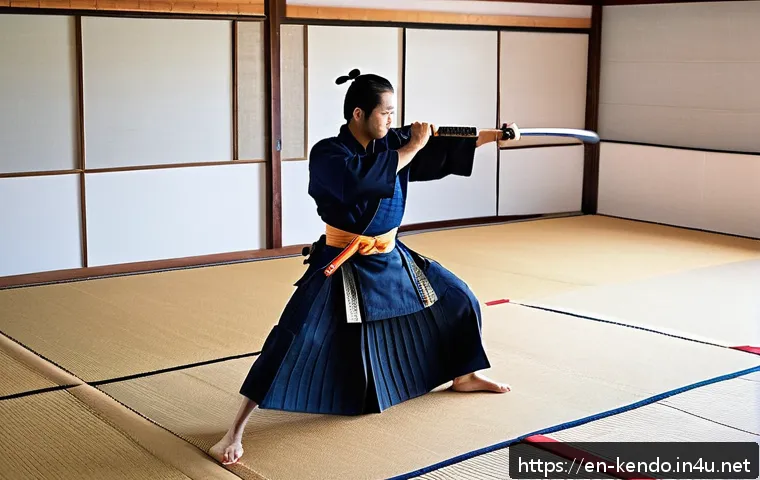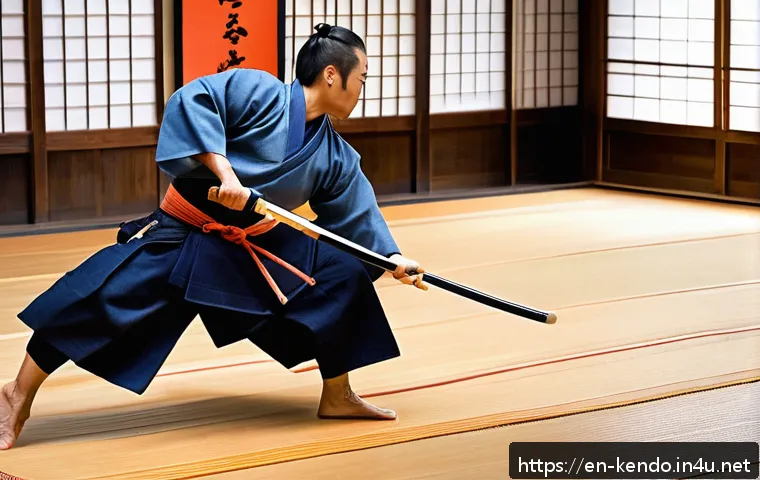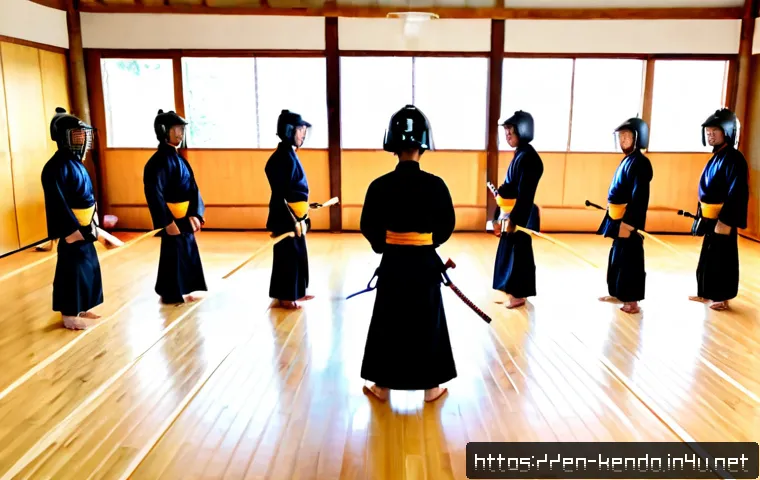
Kendo connects people across countries through shared etiquette, partner practice, and a common approach to disciplined training. For beginners, the best first decision is usually choosing a supportive dojo and buying safe basic gear—not the most expensive equipment available.
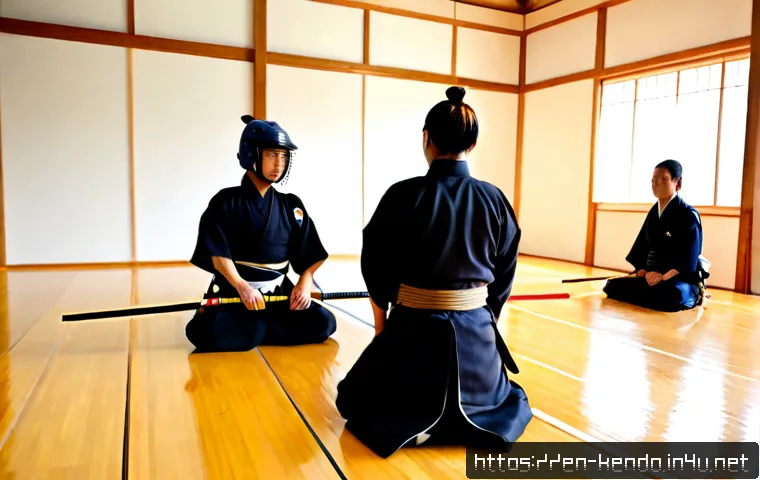
A community dojo, university club, private martial arts school, or international seminar can offer very different schedules, instructor access, and social environments.
Comparing onboarding, safety guidance, membership terms, and equipment requirements makes the first year easier to plan. Full protective armor is often not needed on day one, but proper fit and local instructor guidance become important as training progresses.
International events can expand cultural learning, provided travel, entry conditions, and event expectations are checked in advance.
At a Glance
- Kendo is a modern Japanese martial art practiced with bamboo swords called shinai and protective armor called bogu.
- Dojo fit and safety guidance matter more than premium gear at the beginning; many beginners start with basic clothing and a shinai.
- International kendo creates shared learning opportunities, while local clubs may differ in language, class structure, fees, and instructor access.
| Learning Option | Useful For | What to Compare Before Joining |
|---|---|---|
| Community dojo | Regular local practice and a long-term training community | Beginner onboarding, class schedule, safety practices, instructor access, and membership terms |
| University club | Students seeking training alongside campus life | Eligibility, practice times, coaching support, equipment expectations, and continuity after graduation |
| Private martial arts school | People comparing a structured class format with other martial arts programs | Teaching approach, class size, total first-year cost, and whether the culture supports beginners |
| International seminar or exchange | Practitioners looking for visiting instructors, cultural exchange, or wider practice experience | Entry requirements, travel planning, equipment needs, event rules, and language considerations |
Why Kendo Works as a Shared Global Cultural Practice
Kendo works across borders because training is built around recognizable practices: footwork, striking drills, paired practice, kata, etiquette, and mental discipline. A practitioner may enter a dojo in a different country and still recognize the importance of listening, preparing carefully, practicing with a partner, and treating the training space respectfully. This shared framework helps make international practice possible without making every club identical.
The International Kendo Federation brings together national and regional kendo organizations. International events give practitioners opportunities to train and compete under shared rules and etiquette. For cultural learners, that is an important distinction: kendo is not simply an item of Japanese-inspired sports equipment or a costume-based activity. Its culture is expressed through regular practice, partner responsibility, and how people participate in the dojo.
A Common Training Language Built on Etiquette, Discipline, and Partner Practice
Etiquette in kendo is practical as well as cultural. Training partners need to communicate, move safely, and respect the structure of practice. A beginner does not need to know every custom before attending a first class. What matters is being ready to observe, ask when unsure, and follow the instructor’s guidance.
Partner practice also means that progress is not only individual. Good practice requires attention to distance, timing, control, and the safety of the person in front of you. This makes a welcoming beginner process especially valuable. A dojo that explains procedures clearly can help new students focus on learning rather than guessing what to do next.
How Local Communities Shape the Experience Without Replacing Core Traditions
Local dojo culture can vary by country and city. Classes may be conducted in different languages, follow different schedules, or have different membership systems. Some groups may have more access to experienced instructors than others. These differences do not automatically signal better or worse training; they are factors to compare according to your needs.
Before committing, ask how newcomers are introduced to class routines, whether questions are welcomed, and how the dojo handles equipment requirements. A parent comparing youth options may also want to understand who supervises practice and how new students are matched with training partners. Respect for tradition should support clear learning and safe participation, not leave beginners without guidance.
Comparing Ways to Learn: Dojo Memberships, University Clubs, and Seminars
The right learning path depends on your schedule, access to instruction, and reason for starting. A nearby dojo may offer consistency, while a university club may suit a student timetable. A seminar can provide a focused experience, but it is not necessarily a replacement for regular local practice. Compare the complete training environment, not just the advertised membership fee.
What Beginner Classes Usually Include
Beginning kendo commonly includes basic footwork, striking drills, etiquette, paired practice, and instruction that develops mental discipline. Kata may also be part of training. The order, pace, and amount of explanation can differ from one dojo to another, so it is reasonable to ask what a first-time student should expect.
A useful beginner class gives students a clear route from observation to participation. Find out whether the dojo provides guidance on practice clothing, shinai selection, and the point at which bogu becomes necessary. This prevents a common problem: buying a large equipment package before you understand what your own dojo requires.
Comparing Coaching Access, Schedules, Social Environment, and Long-Term Commitment
When comparing kendo dojo memberships, look beyond convenience. A close location is helpful, but an inconvenient schedule can still make regular practice difficult. Ask whether beginner sessions are offered, how often students can attend, and whether instructors are available to explain fundamentals and equipment choices.
The social environment also matters. Some people want a competition-focused path. Others are more interested in Japanese culture, steady skill development, or community. None of these goals is inherently wrong, but it helps to choose a club where your reason for training is understood. Price alone cannot show the quality of instruction, class atmosphere, or future competition opportunities.
Looking Beyond Monthly Fees: The Total Cost of Starting Responsibly
A responsible comparison includes more than a monthly membership. Consider possible practice clothing, a shinai, basic accessories, later bogu needs, and any local requirements set by the dojo. If you may attend camps, seminars, or tournaments later, those can introduce separate registration, travel, accommodation, and replacement-gear considerations.
Do not assume that a low initial cost always means lower long-term cost, or that a higher fee guarantees stronger coaching. Ask for a clear explanation of what is included, what must be purchased separately, and when additional equipment is expected. Official membership details and equipment conditions should be checked directly with the relevant dojo or supplier.
Equipment Decisions That Support Safe, Sustainable Training
Equipment should support training, not dominate your first decision. Kendo uses a shinai and, as training advances, bogu. Beginners can often start with basic practice clothing and a shinai before purchasing a full protective set. This gives you time to learn the dojo’s expectations and receive instructor guidance.
What to Buy First: Shinai, Clothing, and Basic Accessories
Start with the items your dojo specifically requests. Basic practice clothing and a shinai may be sufficient for a new student, depending on the class. This is often a better approach than selecting a complete kendo equipment package based only on appearance or an online product description.
When comparing beginner shinai or clothing options, focus on local dojo requirements, safety standards, fit, and supplier support. Ask whether the item is appropriate for your stage of training and whether the instructor recommends a particular type or specification. A practical purchase is one that fits the training plan you will actually follow.
When a Full Bogu Set Becomes Necessary
Bogu is protective armor used in kendo. The timing for purchasing a full set depends on your training progression and local dojo requirements. An instructor can explain when it is appropriate to move from basic drills into practice that requires more protection.
A professionally fitted bogu set may be worth considering when fit, safety, comfort, and regular training needs make those features meaningful. It is not automatically the best first purchase for every beginner. Before choosing, ask what level of fit support is offered, how the gear will be used in your dojo, and what maintenance is expected.
Fit, Durability, Maintenance, and Supplier Support as Comparison Factors
Equipment selection should be treated as a safety decision as well as a budget decision. Poor fit can interfere with movement and comfort, while a product that does not meet dojo expectations may create unnecessary replacement costs. Compare the practical details: sizing guidance, safety information, durability considerations, care instructions, and the availability of help after purchase.
If you are comparing a beginner set with a more specialized option, ask a simple question: Will the added feature solve a real training need now? Paying more can offer value when it provides suitable fit, dependable support, or a requirement your dojo has clearly identified. Paying more has less value when it is driven only by the idea that expensive equipment will create faster progress.
Cultural Etiquette and Common Mistakes for International Participants
Kendo can be a meaningful way to learn about Japanese martial culture, but respectful participation takes more than buying the right-looking gear. The strongest approach is to treat etiquette as part of training: listen carefully, follow safety guidance, and recognize that the dojo’s shared routines exist for a reason.
Respecting Dojo Customs Without Assuming Every Club Operates Identically
Core etiquette is generally emphasized in kendo, yet local practice can differ. Language, class structure, membership arrangements, and instructor availability may not match what you have seen online or experienced elsewhere. Avoid assuming that one dojo represents every national or international kendo community.
When visiting a club, observe first and ask respectful questions. Find out what clothing is expected, when to arrive, how equipment is handled, and whether there are special procedures for guests. This approach shows consideration without turning cultural learning into a performance.
Avoiding Gear-First Spending, Unsafe Solo Practice, and Tournament Pressure

Three beginner mistakes are easy to avoid. First, do not make a full armor purchase before understanding your dojo’s requirements. Second, do not treat solo practice as a substitute for supervised partner training, especially when you are still learning safe movement and striking basics. Third, do not assume that tournament participation must be your immediate goal.
Competition can be valuable for some practitioners, but kendo can also be pursued for study, community, and disciplined practice. A sustainable path is better than rushing to match someone else’s timeline. Your instructor and local dojo are the best sources for guidance on readiness within that training environment.
Communicating Respectfully When Language and Training Styles Differ
International kendo may place you in a class where not everyone uses the same first language. Keep communication simple, attentive, and practical. Ask for clarification when instructions affect safety, equipment, or practice order. Watching carefully and responding respectfully can often bridge small language gaps.
Training styles may also feel unfamiliar. Rather than deciding immediately that a different method is wrong, ask how it fits the class structure and your current level. At the same time, clear safety information should never be treated as optional. If you do not understand an instruction related to gear or paired practice, pause and ask.
From Local Practice to Global Events and Cultural Exchange
International kendo events allow practitioners from different countries to train and compete under shared rules and etiquette. For some people, this becomes a natural next step after consistent local training. For others, a visiting instructor or regional camp may provide enough international connection without overseas travel.
Preparing for Visiting Instructors, Regional Camps, and Overseas Seminars
Preparation begins with confirming the event’s own conditions. Check whether it is intended for beginners, what equipment is expected, whether registration is required, and whether your dojo recommends participation. If an event involves travel, confirm entry requirements and event policies directly with the organizers.
It is also wise to prepare socially. A seminar may introduce unfamiliar training partners and teaching styles. Arrive ready to follow the host dojo’s procedures, care for your equipment, and learn rather than trying to prove experience. This mindset supports both safety and cultural exchange.
Budgeting for Travel, Registration, Accommodation, and Replacement Gear
Travel planning should be separated from regular dojo costs. Overseas seminars or tournaments may involve transportation, registration, accommodation, local travel, meals, and equipment-related needs. Exact costs depend on the location and event policies, so broad estimates can be misleading.
Create a simple planning list before registering: event conditions, travel documents or entry requirements, accommodation options, gear transport, and a plan for repair or replacement if equipment is damaged or unsuitable. This is especially important for protective equipment, which may be difficult to replace quickly while away from home.
Deciding Whether Competition, Study, or Community Is the Right Next Step
Your next step does not need to be the same as another practitioner’s. Competition may appeal to those who want a structured challenge. Study may be the priority for someone interested in kata, etiquette, and long-term technical development. Community may matter most for a person seeking regular connection and shared practice.
Choose based on what keeps training realistic and meaningful. A local dojo with dependable instruction may be more valuable than an occasional international event if it helps you practice consistently. International opportunities can then become an extension of your training rather than a substitute for its foundations.
Selection Criteria and Comparison Summary
For a dojo membership: check beginner onboarding, instructor access, class schedule, safety practices, membership conditions, and the likely total first-year commitment. For a beginner equipment package: confirm dojo requirements, fit guidance, safety information, maintenance needs, and supplier support before purchasing. For travel or seminars: confirm registration conditions, event rules, equipment expectations, travel requirements, accommodation, and realistic replacement-gear planning. Official details and product conditions are best checked on the relevant dojo, organizer, or supplier page.
A Checklist for Choosing a Dojo
Look for a clear beginner process, regular practice times you can realistically attend, instructors who explain safe participation, and a culture that treats questions respectfully. Ask what equipment is needed immediately and what can wait. Compare the full learning environment before deciding on membership.
A Checklist for Comparing Beginner Equipment Packages
Confirm whether the shinai and clothing meet local requirements. Check sizing support, safety guidance, durability information, care needs, and whether the supplier can assist if fit is unsuitable. A package is useful only if its contents match your actual stage of training.
When Paying More Offers Real Value—and When It Does Not
Higher spending can be justified when it provides proper fit, relevant safety support, reliable maintenance information, or a feature your instructor has identified as necessary. It is less useful when it replaces careful dojo selection or is purchased before you know what your training requires. Spend in the order that supports safe, regular practice.
In Closing
Kendo’s global reach comes from a shared training culture, not from every club being identical. Start with a dojo where you can learn safely, attend consistently, and ask practical questions. Buy basic equipment according to local guidance, then consider bogu when your training path calls for it. International seminars and events can add depth when they are approached with preparation and respect.
Useful Things to Know
1. Kendo uses shinai and, later in training, protective bogu.
2. Beginner pathways commonly include footwork, striking drills, paired practice, kata, etiquette, and mental discipline.
3. Dojo culture may vary in language, schedules, fees, and instructor access.
4. International events can support training and competition under shared rules and etiquette.
5. Price alone cannot judge instruction quality, atmosphere, or future opportunities.
Important Notes
Membership fees, equipment prices, grading rules, insurance requirements, travel costs, and event entry conditions vary by location, dojo, supplier, and organizer. Confirm current details directly before joining, purchasing equipment, or arranging travel. Instructor guidance and local dojo requirements should take priority over general buying advice.
Frequently Asked Questions
Q1. Is kendo suitable for complete beginners who are interested in Japanese culture?
A1. Yes, kendo can be suitable for complete beginners. A good starting point is a dojo that provides clear onboarding, emphasizes safety and etiquette, and explains what equipment is needed at each stage. Cultural interest is a useful motivation when it is paired with respectful, consistent training.
Q2. How much should a beginner expect to spend on kendo lessons and equipment?
A2. Exact membership and equipment costs vary by dojo, region, and supplier. Beginners can often begin with basic practice clothing and a shinai before purchasing full bogu. Ask the dojo for its current membership terms, required equipment, and any additional costs that may apply during the first year.
Q3. What should I look for when choosing a kendo dojo or buying my first shinai?
A3. For a dojo, compare beginner support, safety practices, instructor access, schedules, and the overall class environment. For a shinai, follow local dojo requirements and consider appropriate fit, safety standards, and supplier support. Asking an instructor before purchasing can help prevent an unsuitable first purchase.