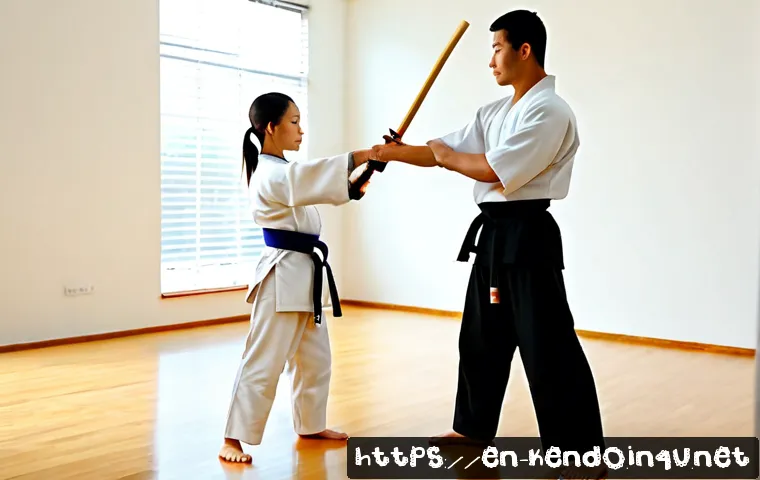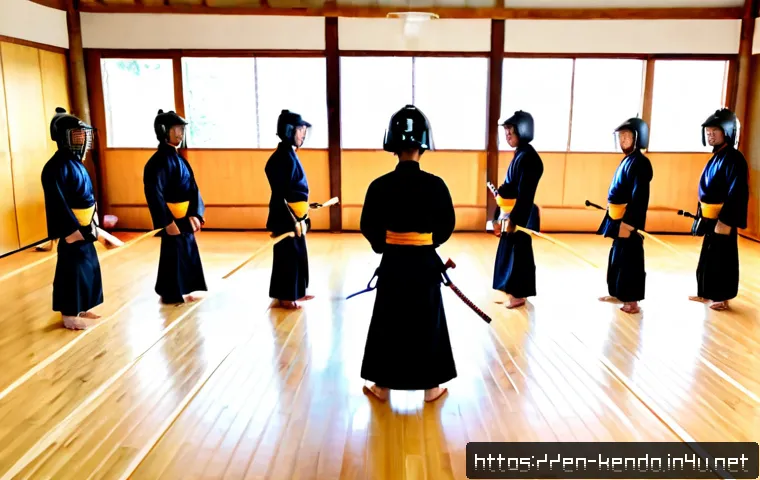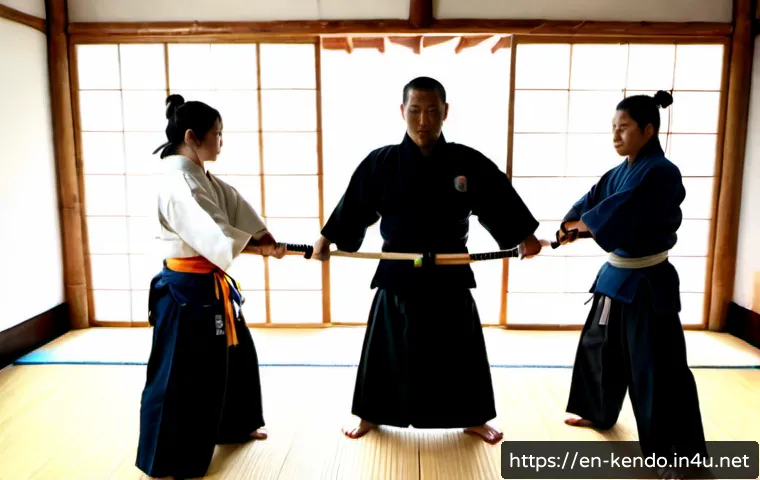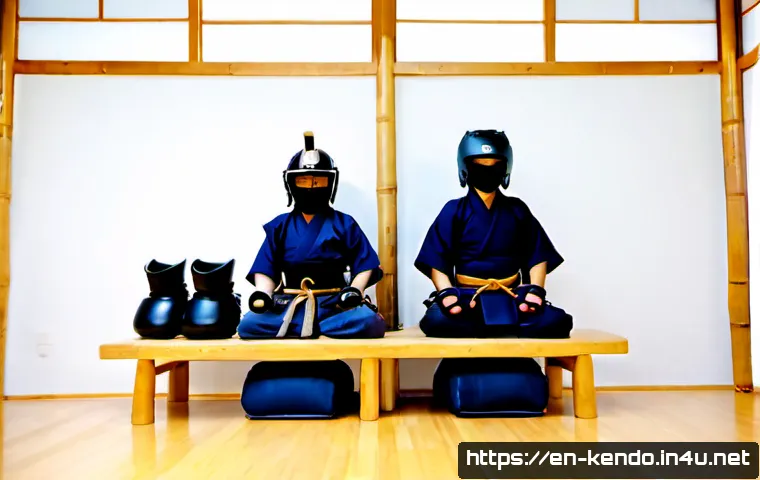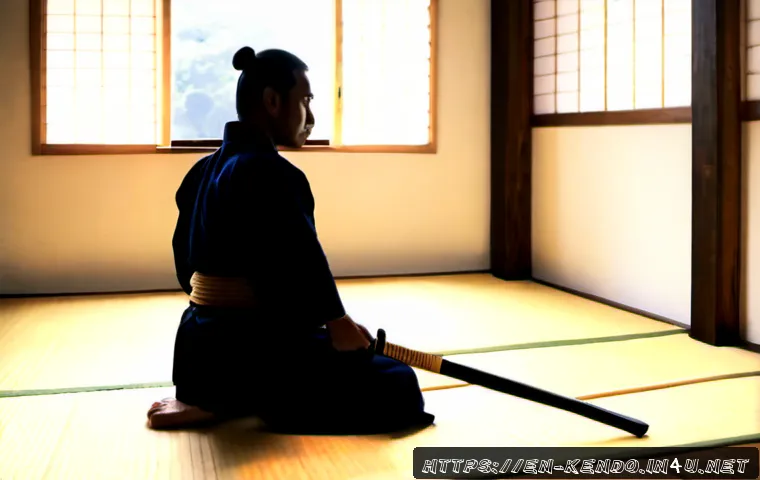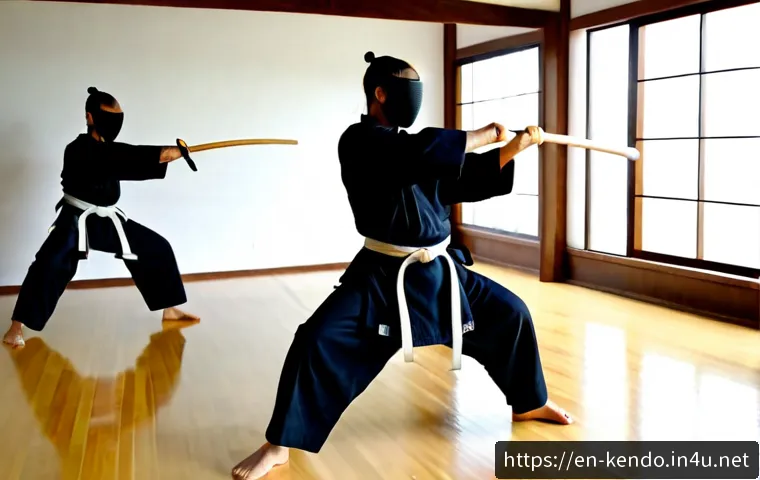
Build etiquette, posture, footwork, and controlled striking before spending heavily on kendo armor or private coaching. A beginner usually benefits most from regular dojo instruction, a suitable shinai, and clear guidance on local equipment rules.
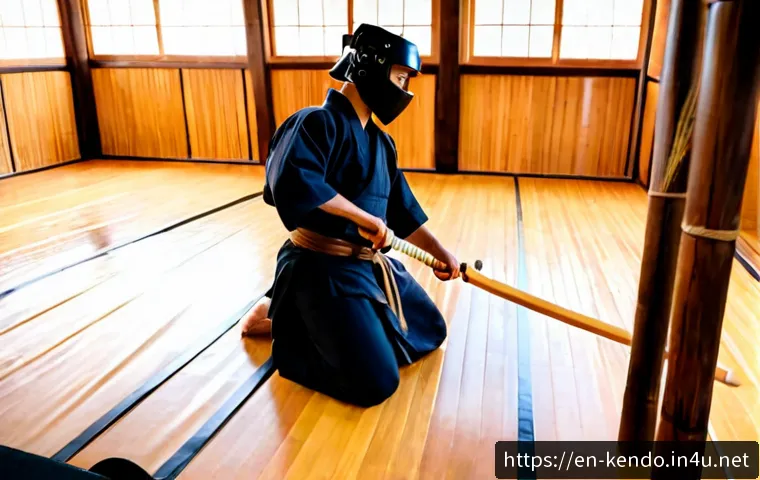
Progress is not just about hitting a target; correct distance, timing, balance, and follow-through matter just as much. Group classes, private lessons, and home practice each serve different needs, so compare them by feedback, training frequency, and total cost factors.
Before buying bogu or a gear package, confirm your dojo’s requirements, loaner policy, and readiness standards.
At a Glance
- Learn movement before power: etiquette, posture, kamae, footwork, and basic cuts come before contact-focused sparring.
- Buy in stages: a shinai and dojo-approved basics may come first, while full bogu can often wait until your instructor recommends it.
- Choose support by need: dojo classes provide partner practice, while private coaching and home practice can reinforce specific fundamentals.
| Training Option | Best Fit | What It Helps With | Cost Factors to Compare |
|---|---|---|---|
| Group dojo classes | Most beginners and regular practitioners | Etiquette, partner drills, timing, kata, sparring preparation | Membership terms, class frequency, testing policies, loaner gear availability |
| Private coaching | Students needing focused feedback | Posture correction, footwork details, individual practice priorities | Session structure, instructor availability, and whether it complements group training |
| Home practice | Students reinforcing assigned basics | Stance, movement patterns, basic cut mechanics, conditioning habits | Space, dojo guidance, and appropriate beginner equipment |
The Short Answer: Build Movement and Control Before Power
Good kendo development starts with control and repeatable movement, not fast strikes or expensive equipment. A new practitioner should first learn how to enter the training space, handle instruction respectfully, stand in kamae, move with balance, and strike with a clear finish.
The Essential Learning Order for a New Practitioner
A practical order is etiquette, posture, kamae, footwork, basic strikes, partner drills, kata, and then sparring when the dojo considers the student ready. These skills overlap, but the sequence matters: strong footwork makes distance easier to manage, and distance makes timing more meaningful.
What “Progress” Should Look Like Before Sparring
Before focusing on contact practice, look for stable posture, controlled forward and backward movement, a consistent strike path, and the ability to finish without losing balance. A valid-looking strike is not the only goal. Distance, timing, posture, and follow-through are part of sound practice.
The Core Skills Behind Confident Kendo Practice
Etiquette, Posture, and Kamae
Etiquette is part of kendo training, not a separate formality. It supports attention, safe partner work, and a disciplined class environment. In kamae, aim for a posture that feels organized rather than tense. Ask the instructor what they want you to correct first instead of trying to adjust everything at once.
Footwork, Distance, and Balance
Footwork connects every stage of kendo. Rushing forward can make a strike look energetic while reducing balance and control. Practice moving in a way that preserves your stance and lets you stop cleanly. Correct distance is learned with partners, which is one reason a dojo class offers value beyond solo repetition.
Basic Cuts, Voice, and Follow-Through
Basic striking practice develops coordination between the shinai, the body, and the finish of the movement. Do not treat the strike as complete at the moment of contact. A controlled follow-through shows whether the movement stayed connected. Your instructor can explain how voice is used within the dojo’s training method.
Timing, Pressure, and Reading an Opponent
Timing develops gradually through partner drills and sparring preparation. It involves recognizing distance, responding without rushing, and maintaining composure under pressure. Beginners do not need to force this stage early. Consistent basics give later tactical work a more reliable foundation.
Classes, Private Coaching, and Home Practice Compared
What a Dojo Class Provides That Solo Training Cannot
A dojo provides live correction, shared etiquette, partner drills, and opportunities to learn distance and timing. It also gives you a place to ask about local rank structures, testing requirements, shinai specifications, and protective armor rules. These details may vary by dojo and regional organization.
When Private Coaching May Be Worth the Added Cost
Private kendo coaching may be useful when a student needs focused help with a specific issue, such as posture, footwork, or basic strike mechanics. It is not automatically necessary for a beginner. Compare the coaching format, the feedback offered, and whether regular group practice would address the same need.
Safe Ways to Reinforce Fundamentals Between Classes
Home practice can reinforce movements already taught by an instructor. Keep the goal narrow: review stance, practice controlled footwork, or repeat basic mechanics. Avoid inventing advanced drills without guidance, especially when they depend on a partner, contact, or dojo-specific standards.
Equipment Timing: What to Buy First and What Can Wait
Starter Items: Clothing, Shinai, and Care Essentials
A shinai is the bamboo practice sword typically used in kendo training and sparring. Your dojo may have specific requirements for shinai type, clothing, and care. Before purchasing a beginner gear package, ask whether loaner equipment is available and whether the dojo approves particular specifications.
When Protective Armor Becomes a Practical Purchase
Protective kendo armor is commonly called bogu and is used for contact practice. Beginners can often start before purchasing a complete bogu set, depending on dojo policy. Buying later can help you avoid choosing armor before you understand fit, training expectations, and the stage at which you will use it.
Fit, Durability, Return Policies, and Dojo-Approved Specifications
Appearance should not be the main reason to choose armor. Prioritize fit, durability, the seller’s return policy, and compliance with your dojo’s equipment expectations. Confirm what is included in a gear package rather than assuming every item needed for training is part of the purchase.
Mistakes That Slow Skill Development
Chasing Speed Before Stable Footwork

Fast movement without balance often creates habits that are harder to correct later. Build a pace that allows you to maintain posture, distance, and a clear finish.
Treating Sparring as the Only Measure of Improvement
Sparring is valuable, but it is not the only marker of progress. Better etiquette, more stable kamae, cleaner footwork, and improved composure are meaningful improvements too.
Buying Full Equipment Without Checking Local Requirements
A complete armor set may be a poor early purchase if your dojo has different timing, sizing, or equipment rules. Check first, especially if you are comparing online kendo equipment retailers or beginner armor packages.
Choosing Instruction and Equipment: A Decision Checklist
Questions to Ask During a Dojo Trial Class
Ask what beginners learn first, how often classes meet, whether equipment can be borrowed, and when students typically begin contact practice. Also ask how the dojo handles kata, testing, and beginner shinai requirements.
Comparing Total First-Year Costs, Coaching Access, and Training Frequency
Compare more than the membership fee. Consider class frequency, required equipment, testing-related policies, optional private coaching, and whether protective gear is needed at your current stage. Exact fees and trial terms should be confirmed directly with each dojo.
Matching the Next Purchase to the Learner’s Current Stage
If you are still building stance and footwork, prioritize instructor-approved basics over a full bogu set. If contact practice is approaching, confirm sizing and required specifications before purchasing. Compare dojo trial options and check beginner gear requirements before committing to a membership or equipment package.
Selection Criteria and Comparison Summary
Use these checkpoints before choosing a dojo, coaching option, or kendo equipment purchase:
- Does the dojo clearly explain its beginner progression and sparring readiness expectations?
- Are shinai, uniforms, or protective equipment available to borrow during the early stage?
- Does the class schedule support regular practice?
- Will private coaching solve a specific problem that group classes do not currently address?
- Does a bogu set meet the dojo’s fit and equipment requirements?
For final details, review the dojo’s official information and the equipment seller’s product specifications, sizing guidance, and return conditions.
Closing Thoughts
Kendo skill development is easier to understand when you separate foundational movement from sparring-ready practice. Start with consistent dojo instruction, careful footwork, and a suitable shinai. Let your instructor’s guidance shape the timing of larger purchases, especially protective armor. The right next step is usually the one that supports your current training stage rather than the most advanced-looking option.
Useful Things to Know
Kendo kata is generally practiced with wooden swords and emphasizes form, distance, and composure.
Testing structures, rank requirements, and related fees can differ across dojos and regional organizations.
Loaner shinai, uniforms, and bogu are not guaranteed, so confirm availability before attending or buying equipment.
Important Notes
This guide describes common kendo training elements, not a universal curriculum. Individual dojos set their own equipment rules, sparring readiness standards, trial policies, testing requirements, and fees. Confirm current details with the instructor or organization before making a membership, coaching, or gear decision.
Frequently Asked Questions
Q1. How long should a beginner train before buying full kendo armor?
A1. There is no universal timeline. Beginners can often begin training before buying complete bogu, depending on dojo policy. Ask your instructor when contact practice is expected and what armor specifications are required.
Q2. Is private kendo coaching worth the cost for a beginner?
A2. It may be useful when you need focused correction for posture, footwork, or basic striking technique. Regular group classes are often the core training environment because they include partner drills and shared dojo practice. Compare the coaching purpose with your current needs.
Q3. What should I look for when choosing a kendo dojo near me?
A3. Look for clear beginner instruction, a respectful training environment, guidance on equipment, and a class schedule you can attend consistently. During a trial class, ask about loaner gear, sparring progression, kata practice, testing policies, and beginner equipment requirements.