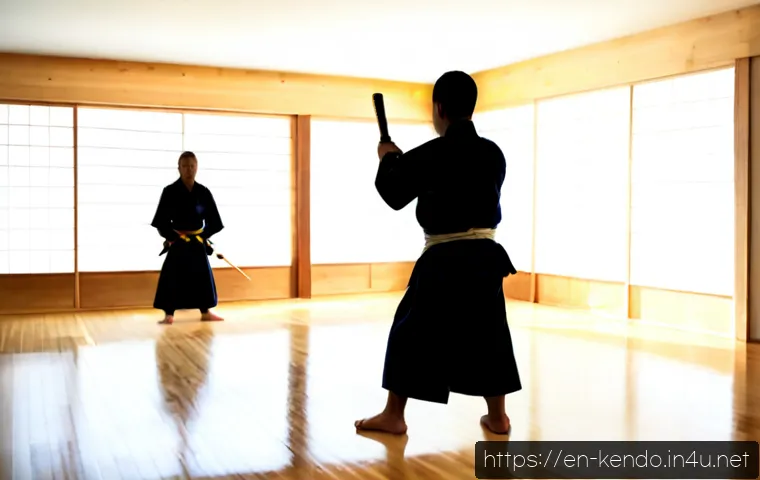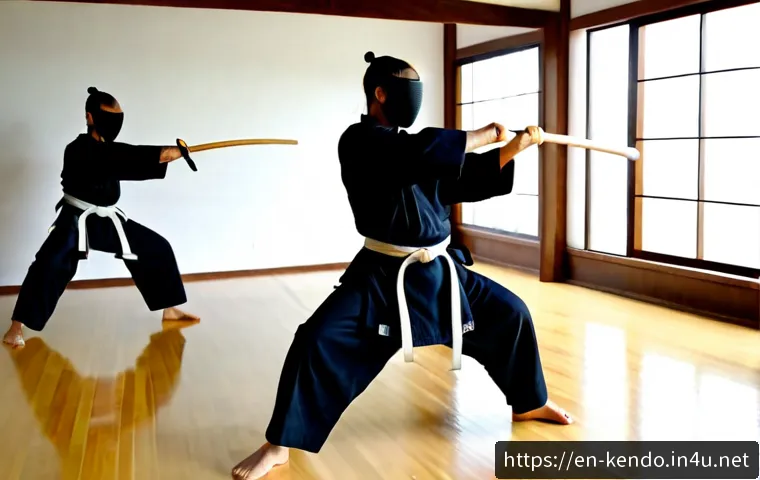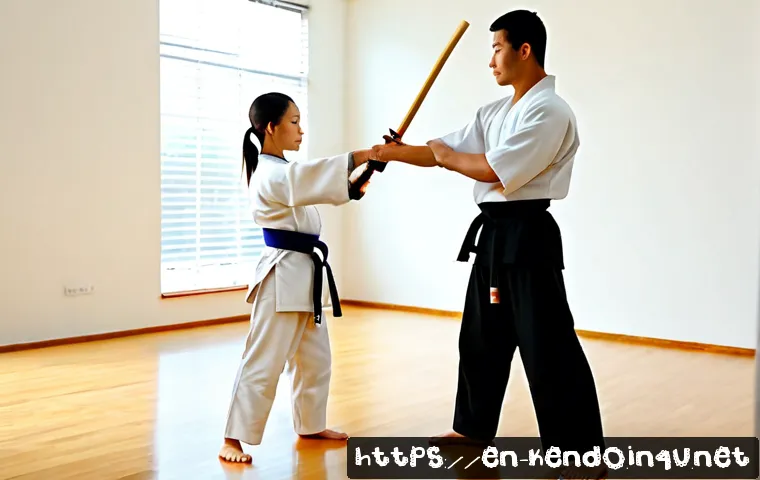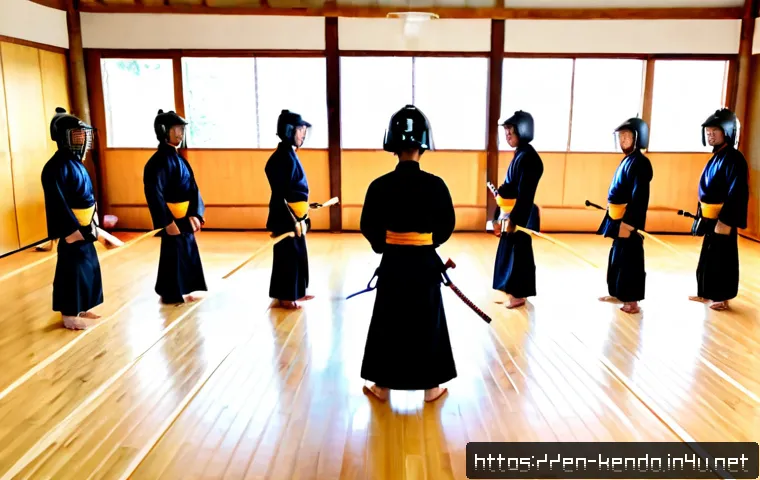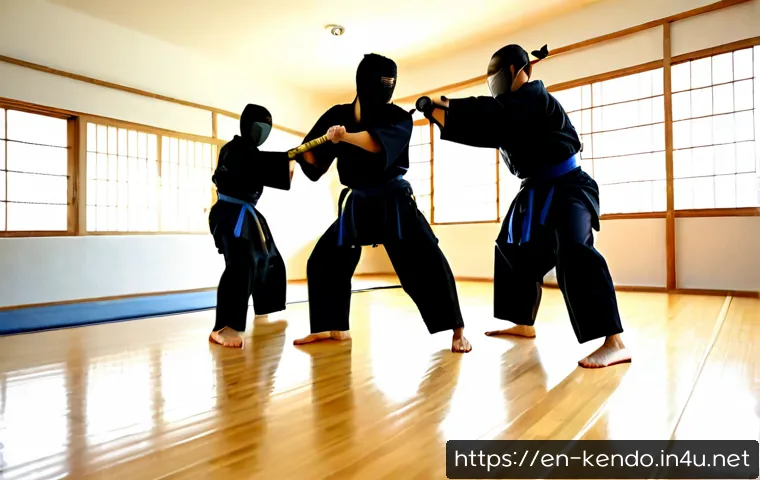
Practicing kendo with friends can be useful when the session has one clear goal, appropriate equipment, and agreed safety boundaries. For contact work or faster sparring, supervised dojo practice is usually the better option because rules, space, and experienced feedback matter.
Informal sessions are often enough for footwork, posture, timing exercises, and non-contact repetition. A dojo membership may offer better long-term value if you need regular space and correction, while occasional small-group coaching can help when a specific habit is holding the group back.
The best choice depends on experience levels, equipment condition, and whether independent practice is allowed where you train. Keep the session controlled, respectful, and matched to the least experienced participant.
At a Glance
- Friend practice is most useful when everyone agrees on one simple goal and a safe contact level.
- Home or outdoor sessions suit footwork and non-contact repetition; dojo practice is better for structured partner work.
- Consider qualified coaching when uneven experience or repeated technical problems make self-correction difficult.
| Practice Option | Best Use | Safety and Value Considerations |
|---|---|---|
| Home or outdoor practice | Footwork, posture, solo suburi, and non-contact movement drills | Check the surface, available space, and venue rules. Avoid contact drills if the setting is not suitable. |
| Dojo open practice | Partner drills, structured repetition, and feedback within established etiquette | A dojo can provide clearer rules, suitable training space, and access to experienced practitioners. |
| Private or small-group coaching | Correcting a specific issue, preparing for regular classes, or organizing mixed-level training | Instruction may be worth considering when friends cannot safely assess technique or set appropriate intensity. |
Start With a Safe Goal for the Session
Start by naming one priority. A session becomes less productive when one person wants conditioning, another wants technical correction, and another wants hard sparring. A narrow goal gives every drill a purpose and makes it easier to stop before fatigue turns good movement into careless movement.
Choose one priority: footwork, timing, striking accuracy, or conditioning
For a casual practice session, choose a goal that fits the group’s experience and available equipment. Footwork can be practiced with distance awareness and controlled movement. Timing can be trained through simple entries and responses. Striking accuracy should be approached carefully and only with suitable protective equipment and consent. Conditioning can be added through repeated movement, but it should not replace technical control.
Agree on contact level, stop signals, and practice boundaries
Before starting, agree on whether the session is non-contact, light-contact, or controlled partner practice. Everyone should know how to pause immediately if equipment shifts, the space becomes unsafe, or someone feels uncomfortable. Clear boundaries are not formalities; they help friends avoid guessing what intensity is expected.
Match drills to the least experienced participant
Mixed-experience groups usually improve more when the plan is built around the newest participant. A more experienced friend can reduce speed, limit options, and make the drill predictable enough to learn from. This is safer than asking a beginner to keep up with fast, competitive exchanges.
Compare Practice Options Before You Meet
The training location affects what kind of kendo practice makes sense. Think beyond convenience: the floor, room around each person, equipment storage, supervision, and venue policy can all change the risk level.
Home or outdoor practice: best for footwork and non-contact repetition
A home area or outdoor space can work for movement preparation, solo repetition, and partner distance drills without contact. Check for uneven ground, obstacles, low ceilings, bystanders, and local rules before using shinai or practicing movement. If the space does not give both partners enough room to move and stop safely, keep the session simple.
Dojo open practice: better for space, rules, and experienced feedback
A dojo-based session may be the stronger option when you want to practice established etiquette, use a suitable floor, and train under the rules of the club. It can also make it easier to ask for feedback from experienced practitioners. Confirm the dojo’s policy before assuming guests, independent sparring, or personal practice groups are permitted.
Small-group coaching: when paying for instruction can save time and prevent bad habits
Coaching is not necessary for every session, but it can be a practical choice when the group repeatedly disagrees about technique or cannot identify why a drill breaks down. A qualified instructor may help establish safer progressions than friends can create alone. When comparing coaching options, look at the instructor’s experience, session format, venue arrangements, and whether the lesson fits your current skill level.
Build a Simple 60-Minute Partner Training Plan
A short plan keeps the practice focused without making it feel rigid. The goal is not to fit every possible drill into one hour. It is to leave with one skill practiced carefully and one point to review next time.
Warm-up and movement preparation
Begin with light movement and basic posture work. Use this time to check that everyone feels ready, has enough space, and understands the day’s goal. A warm-up should prepare the group for controlled movement, not exhaust people before the technical section begins.
Distance, footwork, and striking-entry drills
Move into simple partner drills built around distance and timing. One person can provide a predictable cue while the other practices entering with control. Keep repetitions slow enough that both people can recognize spacing errors. If striking is included, use appropriate protective equipment and keep the drill within the contact level agreed at the start.
Controlled partner rounds and a short review
Finish with short, controlled rounds only if the group has the experience, equipment, and permitted environment for them. Do not treat every round as a test of who wins. End with a brief review: what stayed consistent, what became rushed, and what should be the next session’s single focus.
Avoid Common Problems When Friends Train Together
Most problems in informal training come from poor planning rather than bad intentions. A simple check-in before practice can prevent an avoidable equipment issue or an intensity mismatch.

Skipping protective checks or using damaged equipment
Inspect personal protective gear and training equipment before contact drills. If something appears damaged, poorly fitted, or unreliable, do not assume it will be fine for one more round. Equipment condition affects practice safety, and the appropriate standard may depend on your dojo or club.
Turning every drill into a hard sparring round
Competitive energy can be enjoyable, but it often removes the learning value from a drill. If the purpose is footwork or a specific entry, keep the partner response limited and predictable. Increase pressure only when both people are ready and the setting allows it.
Giving technical advice beyond your experience level
Friends can observe simple things such as whether the agreed drill was followed or whether distance changed too quickly. Be careful about presenting personal opinions as authoritative instruction. When a technical question matters for safety, progression, or dojo expectations, ask a qualified instructor.
Adjust the Session for Different Skill Levels and Goals
Good partner practice is flexible. The same group may need a low-contact session one week and a more structured dojo session another week, depending on who attends and what they are preparing for.
Beginner-friendly sessions with low-contact repetition
Beginners generally benefit from clear, repeatable movement and plenty of time to reset. Focus on posture, footwork, distance awareness, and etiquette rather than speed. Avoid placing a new practitioner in fast exchanges simply because others in the group have more experience.
Intermediate sessions focused on timing and pressure
More experienced practitioners may use controlled pressure to explore timing and decision-making. However, pressure should still serve a defined drill. If movement becomes uncontrolled, return to a simpler format instead of pushing harder.
Preparing for a dojo grading, tournament, or return to regular classes
Friend practice can support preparation by reinforcing familiar movements and helping maintain training consistency. It should not replace the standards or guidance of your dojo. For grading or tournament preparation, confirm expectations with the relevant instructor or club rather than relying on informal advice.
Selection Criteria and Comparison Summary
Choose the next step by checking a few practical points: your group’s experience level, the condition of available protective gear, the safety of the training space, the dojo or venue policy, and whether the goal requires expert feedback. Basic personal gear may be sufficient for solo work and permitted low-contact practice. A dojo membership can offer better value when regular access to suitable space, rules, and training partners matters. Qualified coaching may be the more useful choice when the group needs technical correction rather than more unsupervised repetitions. For equipment, membership, or coaching details, check the official provider page for current conditions and suitability.
Final Thoughts
Training kendo with friends works best when the session stays purposeful and controlled. Start with the simplest drill that supports the group’s current ability. Protect the quality of practice by respecting equipment limits, venue rules, and each partner’s consent. When the group needs more structure, dojo instruction or qualified coaching can be a sensible next step.
Useful Things to Know
Keep a repeatable format: a short warm-up, one focused drill block, and a review are often enough.
Use simple feedback: comment on the agreed drill, not every detail of someone’s technique.
Plan before meeting: decide the goal, contact level, and location in advance.
Important Notes
This is general guidance, not a substitute for dojo instruction. Individual ability, physical limitations, local venue policies, insurance requirements, and equipment standards may differ. Follow the rules and etiquette of the dojo, club, supervising instructor, or training location, especially before attempting contact drills or sparring.
Frequently Asked Questions
Q1. Can beginners practice kendo with friends outside a dojo?
A1. Beginners can focus on low-risk, non-contact basics such as posture, footwork, and controlled repetition if the location is suitable. Partner contact work should use appropriate protective equipment, clear consent, and the rules of the relevant dojo or club. When in doubt, ask an instructor what independent practice is appropriate.
Q2. What equipment is needed for safe kendo partner drills?
A2. The right equipment depends on the type of drill, contact level, dojo standards, and participants’ experience. Check that training equipment is in sound condition, use appropriate protective equipment for contact drills, and avoid contact when the setting or gear is not suitable.
Q3. Is a dojo membership or occasional private coaching better for improving with friends?
A3. A dojo membership may suit people who want regular practice space, established rules, and ongoing training partners. Occasional private or small-group coaching may suit a group that needs help with a specific technical issue or a safer drill structure. Compare the available instruction, session format, policies, and your group’s current needs before deciding.