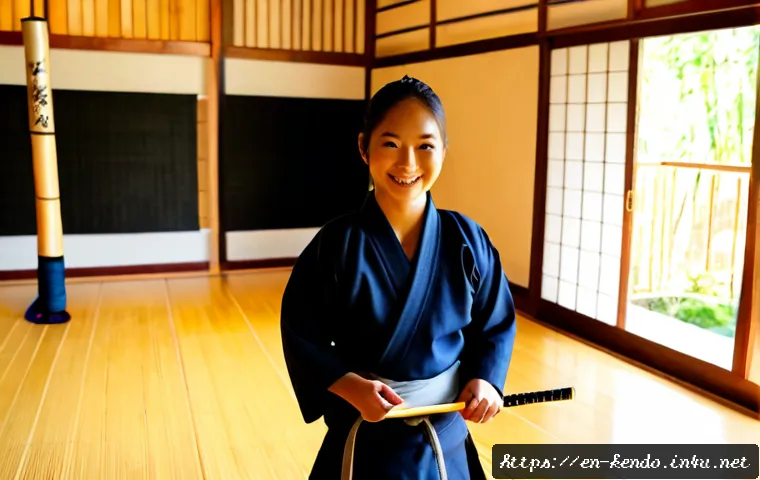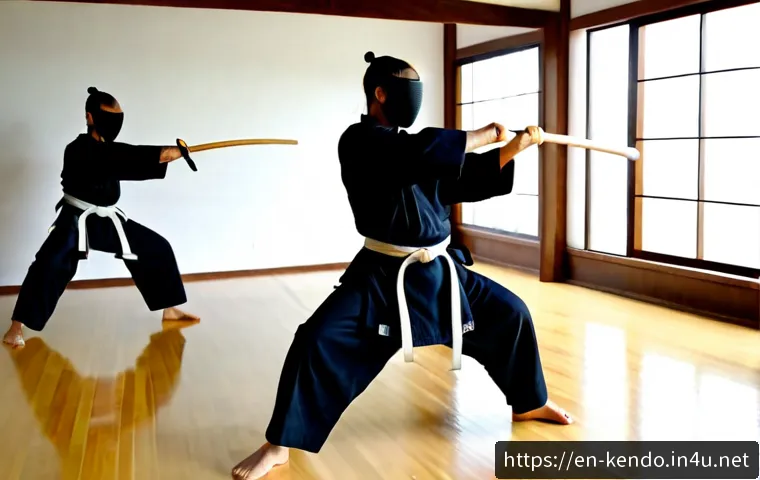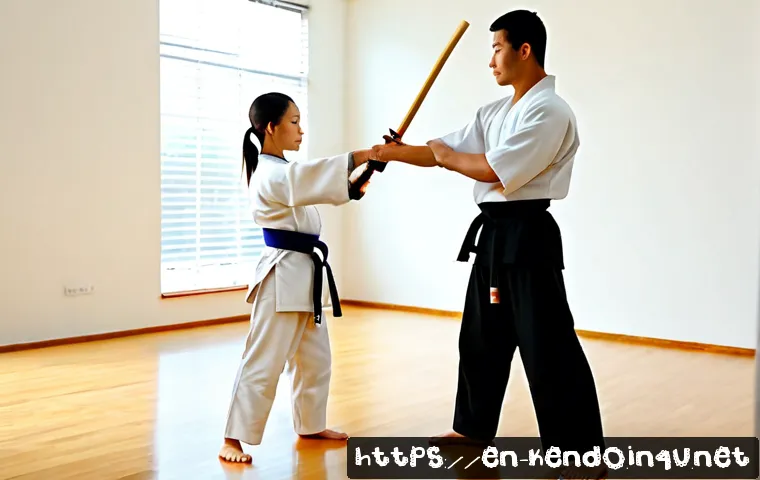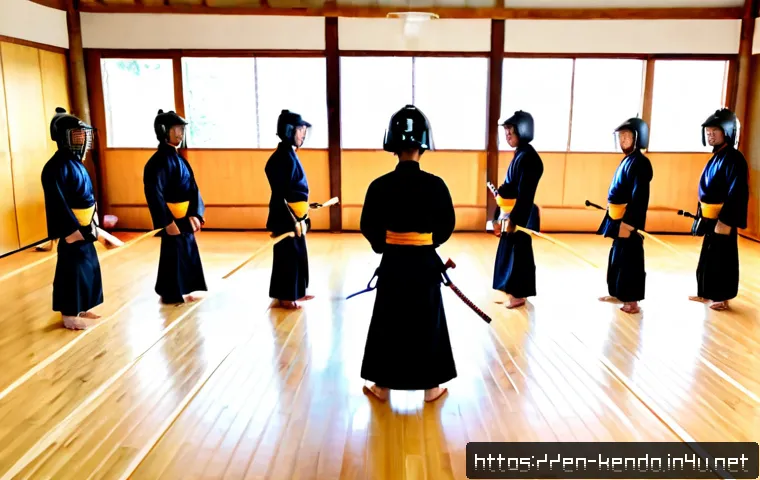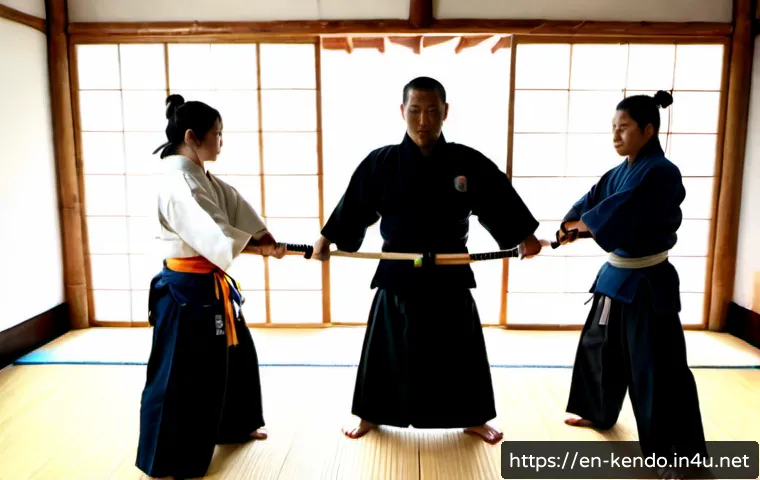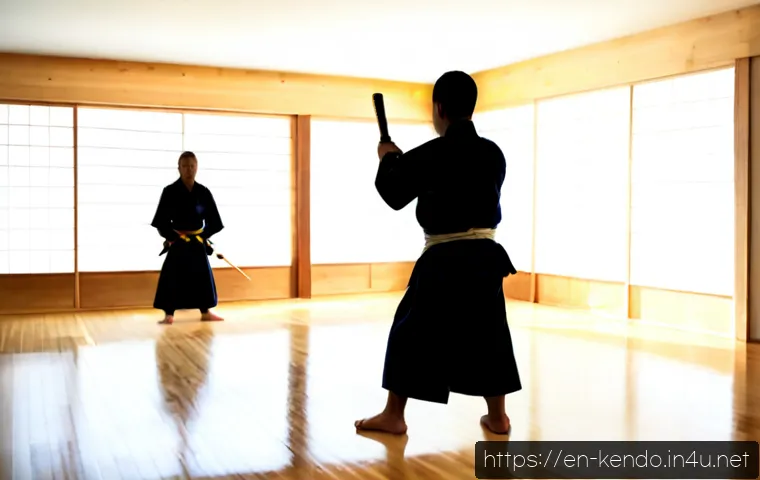
Opening a kendo dojo can be viable, but the lower-risk path is usually to validate local demand in rented or shared space before taking on a dedicated commercial lease.
A standalone dojo makes more sense only when your expected enrollment, teaching schedule, and operating reserves can support recurring costs without relying on unrealistic class capacity.
Kendo requires more than an empty room: students need a safe layout, suitable flooring, ventilation, storage, clear safety expectations, and qualified instruction.
Comparing lease options, martial arts insurance, equipment suppliers, and class management software early can prevent expensive commitments. The goal is not to fill a large space immediately, but to build a dependable program that students can join and continue attending.
At a Glance
- Start shared when demand is unproven: community centers, gyms, and shared studios can reduce fixed overhead before a commercial lease.
- Plan the room around safety: clear floor space, lighting, ventilation, storage, and collision reduction matter as much as the location.
- Separate costs before pricing: distinguish one-time setup purchases, recurring monthly expenses, and equipment that members may provide themselves.
| Setup Model | Best When | Main Advantages | Key Watch-Outs |
|---|---|---|---|
| Shared community space | You are testing beginner demand or teaching limited weekly sessions. | Lower fixed commitment and access to an existing local audience. | Limited storage, restricted schedules, and less control over the training environment. |
| Gym or studio sublease | You need more regular class times without taking a full commercial lease. | A more consistent location with shared facility costs. | Confirm usage rules, equipment storage, occupancy limits, and liability arrangements. |
| Dedicated commercial dojo | You have validated enrollment and need control over programming and space layout. | Greater scheduling flexibility, branding control, and permanent storage. | Commercial lease obligations, utilities, insurance, local compliance, and long-term overhead. |
Is Opening a Kendo School a Viable Business?
The Short Answer: Start With Local Demand and Manageable Fixed Costs
A kendo school can be a workable small business when there is a realistic local audience, dependable instruction, and a cost structure that matches the number of active students you can reasonably serve. The first decision is not the size of the dojo. It is whether people in your area are willing and able to attend classes consistently.
Keep fixed costs manageable while you learn what your local market supports. A shared studio rental can let you test class times, beginner interest, and retention before you commit to commercial rent, utility accounts, and a larger equipment inventory.
Teaching as a Community Program Versus Operating a Full-Time Dojo
A community program may focus on a small number of scheduled classes in a recreation center, college facility, gym, or shared studio. A full-time dojo generally involves more control over scheduling, storage, branding, cleaning, and member operations, but it also creates more recurring responsibilities.
Neither route is automatically better. A dedicated location may fit an established program with consistent attendance. A shared arrangement may be the more sensible choice when the program is new, the instructor teaches part-time, or local demand has not yet been tested.
Three Questions to Answer Before Spending on a Lease or Equipment
- Is there a reachable local group of prospective students, including beginners who understand what kendo training involves?
- Can qualified instruction, safeguarding practices, and a connection to an established kendo community be maintained?
- Can expected tuition cover recurring costs without assuming every class will be full?
Also check how instructor credentials, affiliation expectations, grading eligibility, and competition access work through the relevant local or national kendo organization. These details should not be assumed.
Estimate Startup Costs and Choose the Right Space Model
Shared Community Space, Gym Sublease, or Dedicated Dojo: Key Trade-Offs
Use the comparison table as a decision tool, not as a ranking. A shared space can reduce risk but may limit your ability to store shinai, bogu, uniforms, and safety supplies. A sublease may offer more predictable access while still requiring coordination with the host facility. A dedicated dojo gives you control, but the commercial lease should be reviewed carefully before you accept its length, renewal terms, permitted use, and maintenance responsibilities.
One-Time Expenses: Flooring, Storage, Safety Supplies, Branding, and Initial Equipment
Create a startup list before purchasing anything. Typical categories can include flooring or floor protection, storage, cleaning and safety supplies, basic signage or branding materials, and initial equipment. Kendo commonly uses bamboo swords, protective armor, uniforms, structured etiquette, and safety practices, so decisions about member-owned versus school-provided equipment should be made early.
A common mistake is buying a full inventory of bogu before beginner demand is proven. Consider what students can reasonably obtain themselves, what may be rented or loaned under a clear policy, and what the school genuinely needs to provide for early classes.
Monthly Expenses: Rent, Insurance, Utilities, Software, Cleaning, and Marketing
Recurring costs may include rent or studio hire, martial arts insurance, utilities where applicable, cleaning, marketing, payment processing, and booking software. A dedicated location may also require more attention to storage, maintenance, and facility management.
Liability insurance and participant waivers are common risk-management considerations for martial arts schools. Coverage terms can differ, so review what activities, locations, instructors, and participants are included before selecting a policy.
A Break-Even Worksheet Based on Tuition, Class Capacity, and Retention
Use a simple planning worksheet: list all recurring monthly costs, then compare that total with your expected tuition income from active students. Do not use maximum room capacity as your enrollment forecast. Instead, consider the number of students likely to attend regularly, the number of classes you can teach well, and how long students are likely to remain enrolled.
Break-even planning is a test, not a promise. If the program only works when every class is full from the first month, the lease or pricing structure may be too aggressive. Review the model whenever rent, class capacity, or scheduling changes.
Build a Safe, Practical Training Environment
Floor Surface, Ceiling Clearance, Lighting, Ventilation, and Equipment Storage
A kendo practice space needs adequate clear floor area and a layout that reduces collision risks. Inspect the floor surface, lighting, ventilation, and storage before signing an agreement. Consider how students enter, change, place personal items, and retrieve equipment without blocking the active training area.
Ask flooring suppliers about durability, cleaning requirements, and suitability for your intended activity. Do not select flooring only because it appears inexpensive; the training surface needs to fit the space, the program, and the property rules.
Managing Beginner Safety, Contact Rules, and Protective Gear Expectations
Beginner instruction should make etiquette, movement rules, equipment handling, and contact expectations clear from the start. Students need to understand when shinai may be used, what protective gear is expected, and how drills progress. Consistent class structure can help instructors identify problems before students move into more demanding practice.
Clear communication is especially important when offering trial classes. Explain what participants should wear, what equipment is available, and what they should expect from a first session without promising specific athletic or personal outcomes.
Waivers, Emergency Planning, Safeguarding, and Local Compliance Checks
Participant waivers, emergency procedures, and safeguarding practices should be considered before classes begin. Commercial zoning, occupancy limits, accessibility requirements, fire-safety obligations, and child-safety rules can vary by city and property. Confirm these requirements with the relevant authorities and qualified local professionals rather than relying on another school’s setup.
Set Up Classes, Pricing, and Member Operations
Beginner Courses, Ongoing Memberships, Drop-Ins, and Equipment Rental Policies
A beginner course can give new students a clear entry point, while ongoing memberships may suit regular training. Drop-ins can be useful only if they fit your instructional structure and safety process. If you offer equipment rental or loaner gear, state what is included, how it is cleaned and stored, and when students need their own equipment.
How to Price Without Relying on Unrealistic Enrollment Assumptions
Set pricing after reviewing recurring costs, class frequency, expected attendance, and the level of support included. Underpricing a beginner program can make it difficult to fund safe equipment, suitable space, administration, and qualified instruction. At the same time, pricing should reflect your actual local market and service model rather than copied figures from another city.
Payment Processing, Attendance Tracking, Trial Classes, and Member Communication
Specialized martial arts software or general booking and payment software can help manage class schedules, payment collection, attendance tracking, trial sessions, and member communication. Compare payment processing terms, cancellation tools, reporting, staff access, and the ease of use for members. A simple system that your instructors and students actually use is usually more valuable than a feature-heavy system that creates extra work.
Validate Demand Before Signing a Long Lease
Test Classes Through Local Recreation Centers, Colleges, and Shared Studios
Testing classes in a local recreation center, college, gym, or shared studio can provide practical evidence before you take on a standalone location. Track inquiries, trial attendance, repeat attendance, and schedule preferences. These signals will not guarantee future revenue, but they can show whether a regular program has traction.
Finding the Right Audience Without Overpromising Outcomes
Describe kendo accurately: it is a structured martial art using shinai, protective equipment, etiquette, and progressive practice. Focus outreach on people looking for martial arts training, disciplined physical activity, cultural learning, or an established practice community. Avoid claims about guaranteed fitness, confidence, competitive success, or rapid progression.
When to Partner With an Established Instructor or Martial Arts Facility
A partnership can be useful when you need access to experienced instruction, an existing facility, operational support, or a local kendo network. Define who handles teaching, insurance, equipment, payments, marketing, and participant communication. A written understanding can reduce confusion before students begin enrolling.
Choosing Your Setup and Service Providers
Compare Lease Flexibility, Insurance Coverage, Flooring Durability, and Software Fees
Compare providers according to the decisions that affect your day-to-day risk: lease flexibility, permitted use, insurance coverage, flooring durability, equipment storage, payment processing, and software fees. A lower advertised cost may not be the best option if the agreement restricts class times, excludes important activities, or creates difficult cancellation terms.
Questions to Ask Commercial Landlords and Service Providers
- Is martial arts instruction permitted under the lease and local zoning rules?
- What occupancy, accessibility, and fire-safety requirements apply to this unit?
- Who is responsible for repairs, utilities, cleaning, and changes to flooring or storage?
- Does the insurance policy cover the planned activities, instructors, and training location?
- Can the booking platform handle recurring payments, attendance, waivers, and member messages?
Decision Checklist: Launch Small, Expand, or Pause the Project
Launch small if you have qualified instruction, a safe shared venue, and enough interest to test regular classes. Expand when attendance is consistent, operations are manageable, and a dedicated space solves a real limitation. Pause or revise if local demand is unclear, compliance questions remain unanswered, or the financial model depends on full classes from the start.
Selection Criteria and Comparison Summary
Before choosing a space or service provider, check these points: lease flexibility, permitted use and local compliance, insurance scope, practical flooring and storage, realistic class capacity, and payment software terms. Treat a dedicated dojo as an expansion decision rather than a starting assumption. For insurance policies, flooring specifications, commercial lease conditions, and booking platform features, review the official details on the relevant provider’s page before committing.
Final Thoughts
A kendo dojo is built through steady operations as much as skilled instruction. Starting in shared space can give you time to validate interest, refine schedules, and learn what equipment and administration the program actually needs. If demand becomes consistent, a dedicated dojo may offer more control and a stronger member experience. The safest business decision is the one supported by local research, clear agreements, and realistic operating costs.
Useful Things to Know
1. Kendo equipment, including shinai and bogu, needs practical storage and a clear handling process.
2. A suitable training room needs more than square footage; lighting, ventilation, layout, and collision prevention matter.
3. Instructor credentials and progression pathways may depend on the relevant kendo organization.
4. Attendance and member communication are easier to manage when payment and booking systems are organized from the beginning.
Important Considerations
Exact startup costs, rent, insurance premiums, permit requirements, enrollment, and break-even timing cannot be assumed without a location-specific assessment. Laws, tax obligations, child-safety requirements, accessibility rules, and property obligations should be confirmed with qualified local professionals, relevant authorities, and the applicable kendo organization.
Frequently Asked Questions
Q1. How much does it cost to open a kendo dojo in the United States?
A1. There is no single reliable figure. Costs depend on the city, commercial lease terms, space condition, insurance, flooring, equipment needs, permits, and whether you begin in shared space or open a dedicated dojo. Build a local budget that separates one-time purchases from recurring monthly costs.
Q2. Is it better to rent space for kendo classes before leasing a dedicated dojo?
A2. For many new programs, renting time in a community center, gym, or shared studio is a lower-risk way to test demand and class scheduling. A dedicated lease may be more appropriate after enrollment, retention, and operational needs are more predictable.
Q3. What insurance and safety planning should a martial arts school consider?
A3. Liability insurance, participant waivers, emergency planning, safeguarding practices, and clear safety rules are common considerations. Coverage details and local compliance requirements vary, so confirm them with an insurance provider, local authorities, and qualified professionals before opening classes.