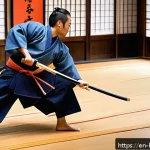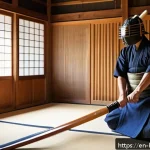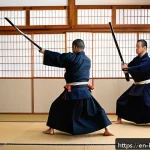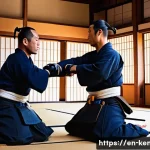
There’s this undeniable magnetic pull to Kendo, don’t you think? It’s more than just a martial art; it’s a captivating dance of discipline, respect, and raw human spirit that I’ve personally been immersed in for years.
From the moment you don the bogu and pick up a shinai, you feel a connection to something truly profound—a tradition that’s surprisingly relevant in our fast-paced modern world.
I’ve watched Kendo evolve and expand its reach globally, inspiring people from all walks of life to embark on their own journeys of self-improvement and mental agility.
It’s not just about the techniques; it’s about those split-second decisions, the unwavering spirit, and the sheer elegance of a perfectly executed strike that makes my heart race every time.
These are the legendary “masterpieces” we talk about, the kind that exemplify the highest ideals of the Way of the Sword, showcasing not just physical skill but incredible mental fortitude and strategic depth.
Understanding what goes into these moments is what truly brings the art to life, and frankly, I can’t wait to share my insights with you. Ready to explore some of the most awe-inspiring Kendo moments and uncover the deep lessons they offer?
The world of Kendo, for those of us who live and breathe it, is so much more than just a physical pursuit. It’s a journey that constantly challenges you, not just in terms of technique, but deep down in your very spirit.
I’ve personally experienced the profound shift it brings, transforming not just how I move, but how I *think* and *feel*. When you’re in the dojo, the air crackles with an energy that’s almost palpable, a blend of intense focus and unspoken respect.
It’s in these moments, especially during shiai (matches) or particularly spirited keiko (practice), that you witness things that truly take your breath away – those legendary “masterpieces” that stay with you long after the echo of the shinai fades.
These aren’t just about winning a point; they’re glimpses into the very essence of what Kendo teaches us: unwavering spirit, lightning-fast judgment, and the sheer poetry of a perfectly executed strike.
They show us that mastery in Kendo isn’t just about physical skill, but an incredible depth of mental fortitude and strategic insight.
The Silent Roar: Cultivating an Immovable Mindset

There’s a saying in Kendo, “Fudoshin,” which translates to “immovable mind.” It’s about achieving a state of mental calm and composure even in the most intense situations. I remember one practice where I was utterly exhausted, my shoulders burning, and my mind racing with every missed strike. My sensei, seeing my frustration, simply told me to breathe, to clear my mind, and to focus only on the present moment. That shift, that simple act of centering myself, completely changed the dynamic of the practice. Suddenly, I wasn’t fighting my fatigue or my opponent; I was simply *doing* Kendo. This mental resilience, the ability to remain calm under pressure and make split-second decisions, is one of the most incredible benefits Kendo offers, and it spills over into every aspect of life. It’s about conquering the fear within oneself before you can ever hope to conquer an opponent. I’ve personally found this invaluable in navigating stressful work situations and even just staying grounded in daily life. It’s truly transformative. The discipline cultivates perseverance, alertness, and concentration.
Mastering Zanshin: Beyond the Strike
Have you ever seen a Kendo practitioner make a strike and then, in that split second afterward, maintain an almost ethereal awareness, ready for anything? That’s Zanshin, and it’s absolutely captivating to witness. It’s not just about hitting the target; it’s about the continued mental and physical readiness that follows, ensuring you’re never caught off guard. It’s a total awareness, a heightened state of being fully present and engaged. I remember watching a high-level sensei once; he executed a stunning Men strike, but what truly struck me was his immediate, unbroken presence afterward. His posture, his eyes, everything communicated an unwavering readiness. It taught me that the moment of impact is just one part of the equation; true mastery lies in what comes after, in that sustained spirit. This level of focus, where you remain alert and ready even after a strike, translates incredibly well into daily life, allowing you to be fully engaged and present without distractions. It’s about recognizing that every action has a follow-through, and being prepared for it.
The Unity of Spirit, Sword, and Body
Kendo emphasizes “Ki-Ken-Tai-Ichi,” the unification of spirit, sword, and body, meaning that an effective strike happens when all three elements align perfectly. It’s not just about swinging a bamboo sword; it’s about your inner spirit, your technique, and your physical movement all coming together in one harmonious, explosive moment. I’ve had moments in practice where everything just ‘clicked,’ and the feeling is indescribable. It’s like all the individual parts of your being synchronize, and the strike feels effortless, powerful, and utterly precise. It’s those rare, perfect moments that make you truly understand the depth of this martial art. When you watch a high-level kendoka, you can see this unity in their strikes—they aren’t just hitting; they are embodying the strike with their entire being. This pursuit of harmony is what keeps me coming back, constantly striving for that elusive perfection where mind and body become one. It’s a holistic practice that encompasses all aspects of life, teaching you self-awareness and self-discipline.
The Dance of Discipline: Etiquette and Growth
Kendo is steeped in tradition, and nowhere is this more evident than in its etiquette, or “reiho.” It’s far more than just manners; it’s a foundational pillar that teaches respect, humility, and self-control. From the deep bows upon entering and leaving the dojo, to the way we treat our equipment and our training partners, every action is imbued with meaning. I remember when I first started, the sheer number of rules felt overwhelming. But over time, I realized that these rituals aren’t restrictive; they’re liberating. They create an environment of mutual respect that allows everyone to train safely and grow. It’s about showing respect to everyone, from your sensei to your fellow kenshi, fostering an environment where growth thrives. I’ve seen how this discipline translates into a more respectful and mindful approach in my everyday interactions, a subtle but powerful change that has improved my relationships and overall demeanor. It’s a continuous lesson in honor and courtesy that shapes character.
Learning from Every Encounter
One of the most profound lessons Kendo has taught me is how to learn from both victory and defeat. In Kendo, defeat is never seen as a failure, but as an invaluable opportunity for growth. I remember losing a shiai quite decisively once, and feeling that familiar sting of disappointment. But my sensei gently reminded me to reflect on my weaknesses, to use that experience as a teacher. That mindset shift was monumental. Instead of dwelling on the loss, I began to actively analyze what went wrong, identifying areas for improvement. This “utte hansei, utarete kansha” philosophy—reflecting when you strike, appreciating when you are struck—is a lifelong education in self-discipline and self-control. It’s about constantly learning about yourself and understanding that challenges are opportunities to refine your character. This approach has genuinely transformed how I view setbacks, not just in Kendo, but in my career and personal life too. Every challenge now feels like a chance to grow stronger and wiser.
The Path of Lifelong Cultivation
Kendo isn’t something you master and then stop practicing. It’s a “way of life,” a continuous journey of self-cultivation that spans decades. I’ve had the privilege of training alongside practitioners in their 70s and even 80s, whose spirit and technique are still sharp as ever. Their presence in the dojo is a living testament to the idea of lifelong learning and improvement. It’s incredibly inspiring to see how Kendo adapts with age, shifting from raw power to refined precision and strategic depth. This ongoing pursuit of personal development, continually striving for improvement in the art, is what makes Kendo so deeply rewarding. It’s about discovering and defining your path in life through consistent training. This journey fosters self-respect and a feeling of self-worth by emphasizing understanding and caring for others. It really gets you thinking about how you can integrate these timeless values into every single day, striving to be a better person not just in the dojo, but in the wider world.
The Thrill of Precision: Anatomy of a Perfect Strike
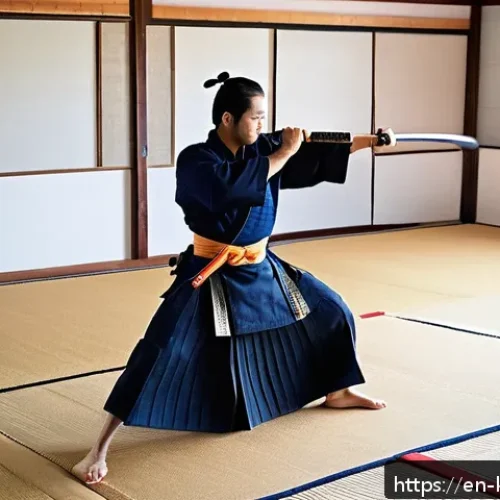
Have you ever been in a match, or even just watching one, and seen a strike that was so clean, so precise, it felt like time itself paused for a second? That’s the magic of Kendo. A truly perfect strike, or “ippon,” isn’t just about hitting a target; it’s a symphony of body mechanics, mental focus, and explosive spirit. I remember working tirelessly on my Men strike, frustrated by how often it felt “off.” My sensei would always remind me about the importance of fumikomi—that powerful, stomping step that drives your body forward, aligning your hips and shoulders with your shinai. When you finally nail it, that feeling of everything locking into place, the entire body moving as one, is absolutely exhilarating. It’s the physical manifestation of “Ki-Ken-Tai-Ichi,” where your kiai (spirit shout), sword, and body all converge perfectly. It makes you realize that every single movement has a purpose, every subtle shift of weight contributes to the final impact. This attention to detail and precision is what truly elevates Kendo beyond just a sport.
The Unwavering Gaze: Seme and Opportunity
Before any strike can be made, there’s a delicate and intense psychological battle known as “seme.” It’s the pressure you exert on your opponent, both physically and mentally, to create an opening or to break their kamae (stance). I’ve always found this aspect of Kendo fascinating because it’s so subtle, yet so incredibly powerful. It’s like a silent conversation, a constant probe and counter-probe, where you’re trying to read your opponent’s intentions while guarding your own. There’s a particular satisfaction in feeling your opponent falter, even for a fraction of a second, because you’ve successfully applied seme. That’s when the opportunity for a strike reveals itself. It’s not about brute force; it’s about anticipation, timing, and an unwavering gaze that sees beyond the immediate movements, peering into the opponent’s mind. Learning to recognize and create these openings has definitely sharpened my observation skills and strategic thinking, both inside and outside the dojo.
The Art of the Follow-Through
A successful strike in Kendo isn’t just about the hit itself; it’s also about the complete follow-through, often called “datotsu-no-kikai” (the chance for a strike) which encompasses the entire motion from preparation to execution and the crucial zanshin afterward. This isn’t just a physical extension of your arm or body; it’s a continuation of your focus and spirit. I’ve been corrected countless times for not having a strong enough follow-through, for letting my guard down too soon. It’s a constant reminder that Kendo demands total commitment from beginning to end. That feeling of extending through your target, maintaining balance and awareness, ensures that even if your initial strike isn’t a full ippon, you’re still in a strong position to follow up or defend. It’s a testament to the comprehensive nature of the art, teaching you that success isn’t just about the ‘moment’ but about the entire process. This holistic approach has taught me the importance of seeing tasks through to completion, not just stopping at the initial success.
The Heart of Kendo: Building Community and Character
Beyond the intense training and the pursuit of individual excellence, Kendo is profoundly about community. The dojo isn’t just a training hall; it’s a family, a place where people from all walks of life come together united by a shared passion and mutual respect. I’ve forged some of my deepest friendships within the Kendo community, relationships built on shared sweat, challenging keiko, and unwavering support. There’s something incredibly powerful about pushing your limits alongside others, knowing that they’re there to encourage you, correct you, and celebrate your progress. This camaraderie extends far beyond the dojo walls; I’ve connected with kendoka from different cities and even countries, all sharing that unique bond. It’s an optimistic peer group that positively influences your life, reinforcing respect and positive character traits. The shared journey, the mutual striving for improvement, truly makes Kendo a powerful force for personal development and strong social connection.
Mentorship and Passing the Torch

The role of sensei (teacher) and senpai (senior student) in Kendo is incredibly vital. It’s not just about teaching techniques; it’s about passing down a legacy, sharing wisdom, and guiding younger generations on their path. I remember how patient my senpai were with me when I was a beginner, correcting my mistakes with kindness and demonstrating techniques tirelessly. Now, as a more experienced practitioner, I find immense satisfaction in helping new members, watching them struggle, then slowly grasp a concept, and finally execute it with a flash of understanding. This cycle of mentorship is a beautiful aspect of Kendo, reinforcing the values of respect, humility, and service. It’s about building strong bonds and an understanding of ourselves and our relationships with others. It’s a constant reminder that we are all part of a larger tradition, and it’s our responsibility to uphold its principles and ensure its continued growth. This aspect truly embodies the spirit of self-discovery and personal growth through group training.
Kendo’s Timeless Wisdom in a Modern World
It’s fascinating to consider how an ancient martial art, rooted in samurai traditions, remains so relevant and beneficial in our fast-paced modern world. Kendo offers a powerful antidote to the distractions and stresses of daily life, providing a pathway to enhanced focus, mental resilience, and emotional calm. I’ve personally found that the discipline and mental fortitude cultivated in Kendo help me immensely with managing stress, improving my decision-making, and staying composed even amidst chaos. It’s not just physical exercise; it’s a profound form of mental and spiritual training. The principles of self-control, self-knowledge, and inner calm that Kendo instills are timeless, offering a grounding force in an ever-changing world. It teaches you to face challenges not with fear, but with a clear, focused mind, applying those dojo lessons to all aspects of life. This isn’t just about preserving tradition; it’s about tapping into a source of enduring wisdom that helps us become better, more centered individuals. It helps you develop self-discipline and perseverance, leading to greater self-confidence and self-esteem.
Understanding Kendo’s Core Tenets
To really appreciate Kendo, it helps to grasp some of the fundamental concepts that guide its practice and philosophy. These aren’t just abstract ideas; they’re living principles that shape every swing, every step, and every interaction in the dojo. I often find myself reflecting on these tenets, seeing how they apply not just to my Kendo, but to my everyday life as well. It’s a constant process of integrating these deep lessons into who I am, making me feel more grounded and purposeful. When you truly embrace these principles, Kendo becomes less about fighting and more about self-improvement and developing your character. The aim is to discipline the human character through the application of the katana’s principles, cultivating a vigorous spirit and striving for improvement in the art.
The Concept of Maai: Distance and Timing
Maai, or proper distance and timing, is one of those concepts that seems simple on the surface but takes years to truly embody. It’s about being in the optimal position to strike while simultaneously being able to defend, and it’s constantly shifting. I remember endless drills focused purely on maai, trying to feel that perfect distance, the “sweet spot” where I could launch an effective attack. It requires an acute awareness of both your opponent’s movements and your own capabilities. Mastering maai feels like developing a sixth sense, an intuitive understanding of space and rhythm. It’s a constant dance of advancing and retreating, reading your opponent, and waiting for that perfect moment. This concept has taught me a lot about patience and observation, realizing that sometimes the most effective action is to wait, to sense the rhythm of a situation before acting decisively. It truly hones your mental quickness and ability to react.
Here’s a quick overview of some essential Kendo concepts:
| Kendo Concept | Meaning | Real-Life Application |
|---|---|---|
| Fudoshin | Immovable Mind | Maintaining calm under pressure, mental resilience in challenges. |
| Zanshin | Continuing Mind/Total Awareness | Staying present and alert, thorough follow-through in tasks. |
| Ki-Ken-Tai-Ichi | Spirit, Sword, Body as One | Achieving perfect synergy and focus in actions, holistic engagement. |
| Reiho | Etiquette | Showing respect, humility, and discipline in all interactions. |
| Maai | Distance and Timing | Strategic positioning, patience, and precise decision-making. |
The Global Reach of the Way of the Sword
It’s genuinely incredible to see how Kendo has transcended its Japanese origins and become a truly global phenomenon. I’ve had the pleasure of training with kendoka from Europe, North America, and other parts of Asia, and it’s always inspiring to see how this ancient martial art resonates with people from such diverse backgrounds. Despite differences in language or culture, the spirit of Kendo, the shared commitment to discipline, respect, and self-improvement, creates an immediate bond. The International Kendo Federation (FIK) now connects national and regional federations worldwide, actively promoting Kendo globally. It’s a powerful testament to the universal appeal of its core values. I remember attending an international seminar a few years ago, and the energy in that dojo, with practitioners from dozens of countries, was absolutely electric. We were all there for the same purpose, speaking the same “language of the sword,” and it made me feel part of something truly special and expansive. Kendo helps foster an appreciation and respect for others, from our teachers to our training partners and the wider community.
Adapting and Evolving
While deeply rooted in tradition, modern Kendo has also shown a remarkable ability to adapt and evolve, meeting the needs of contemporary practitioners. It’s no longer solely about battlefield techniques, but has transformed into a powerful tool for character building, physical fitness, and mental well-being. I’ve seen how clubs emphasize injury prevention for beginners and gradually increase training intensity, making it accessible to a wide range of ages and fitness levels. This balance between honoring the past and embracing the future is what keeps Kendo vibrant and relevant. The focus on personal development, self-discovery, and spiritual growth continues to draw people to this challenging yet deeply rewarding path. It really makes you appreciate how a discipline can retain its essence while still finding new ways to enrich lives in an ever-changing world. The purpose is to mold the mind and body, cultivate a vigorous spirit, and contribute to society.
Connecting Through Shared Purpose
One of the most enriching aspects of Kendo’s global presence is the opportunity to connect with individuals who share a similar philosophy and drive for self-improvement. It’s truly a unique kind of network. I’ve found that conversations with fellow kendoka often dive deep, touching upon personal growth, resilience, and the challenges of integrating Kendo principles into daily life. This shared journey fosters a sense of unity and mutual understanding that transcends cultural boundaries. Whether it’s discussing the nuances of a particular waza or simply sharing stories about how Kendo has impacted our lives, these connections are incredibly meaningful. It’s a living tradition that continually inspires people from all walks of life to embark on their own journeys of self-improvement. This creates a sense of belonging that’s hard to find elsewhere, making the dojo a true sanctuary and a hub for positive growth and interaction, ultimately promoting peace and prosperity among all peoples.
Wrapping Up Our Journey
As we reach the end of our deep dive into the incredible world of Kendo, I hope you’ve felt some of the passion and profound impact this martial art has had on my life and countless others. It’s truly more than just a sport or a set of techniques; it’s a path, a philosophy, and a community that shapes you from the inside out. My own journey with Kendo has been one of constant discovery and growth, teaching me invaluable lessons about resilience, respect, and the power of a focused mind. If you’ve ever felt a pull towards something that challenges you physically, mentally, and spiritually, I genuinely believe Kendo offers an unparalleled experience. It’s an adventure that promises not just skill, but profound personal transformation and a sense of belonging that’s hard to find anywhere else.
Useful Information to Get Started
1. Thinking about stepping onto the dojo floor yourself? The best first step is to search for local Kendo clubs or dojos in your area. Most clubs offer beginner classes or introductory sessions, allowing you to get a feel for the practice without immediate commitment. Don’t worry about having special gear right away; many dojos provide basic equipment for newcomers, like a shinai (bamboo sword), so you can just show up in comfortable workout clothes and an eagerness to learn. It’s often a welcoming environment where experienced members are more than happy to guide you through those initial, sometimes awkward, steps.
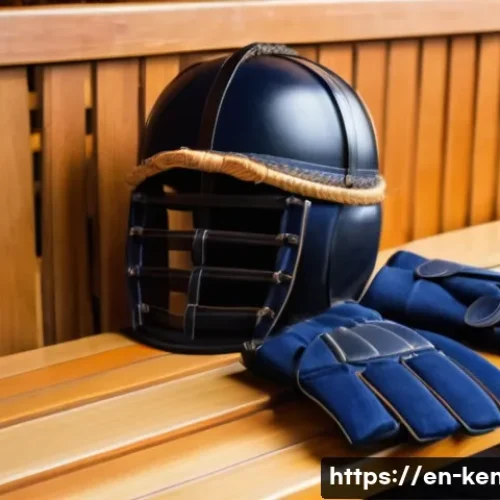
2. When you do decide to commit, you’ll eventually need some basic equipment. A keikogi (jacket) and hakama (wide-legged trousers) are your standard practice uniform, offering both comfort and adhering to tradition. Your shinai is your primary tool, acting as a bamboo sword. As you progress, you’ll invest in bogu, the protective armor comprising a helmet (men), gloves (kote), body protector (do), and waist protector (tare). Remember, good quality gear is an investment in your safety and comfort, so don’t rush the purchase and consult your sensei for recommendations.
3. The benefits of Kendo extend far beyond the dojo walls, influencing every aspect of your life. I’ve personally experienced a significant improvement in my focus and concentration, making it easier to tackle complex tasks at work and stay present in daily interactions. The discipline instilled through rigorous training translates into better self-control and patience, while the physical demands boost stamina and coordination. It’s a holistic workout that strengthens both mind and body, providing a fantastic outlet for stress and a profound sense of accomplishment.
4. Kendo is deeply rooted in tradition and respect, so understanding basic etiquette (reiho) is crucial. This includes bowing upon entering and leaving the dojo, to your sensei, and to your training partners. Treating your equipment with care and respect is also part of this, symbolizing your dedication to the art. These aren’t just arbitrary rules; they foster an environment of humility, mutual respect, and discipline, which are fundamental to the Kendo experience and essential for safe and productive training for everyone involved.
5. Perhaps the most important tip I can offer is to embrace patience and persistence. Kendo is a lifelong journey, not a sprint. You won’t master it overnight, and there will be days when you feel frustrated or challenged. I’ve had plenty of those! But it’s precisely in overcoming these hurdles that true growth occurs. Celebrate the small victories, learn from every mistake, and trust the process. The rewards—both in skill and in personal development—are immeasurable and far outweigh any temporary setbacks. Keep showing up, keep practicing, and you’ll be amazed at how far you can go.
Key Takeaways
Kendo is a transformative journey that transcends mere physical combat, offering profound lessons in mental resilience, unwavering focus, and deep personal growth. It teaches us to cultivate an “immovable mind” (Fudoshin), maintain total awareness (Zanshin) in every action, and achieve perfect harmony of spirit, sword, and body (Ki-Ken-Tai-Ichi). Beyond individual development, Kendo builds strong communities based on mutual respect and mentorship, providing a powerful antidote to the stresses of modern life. It’s a continuous path of self-cultivation that, while challenging, ultimately leads to a more disciplined, respectful, and centered individual, enriching every facet of your existence.
Frequently Asked Questions (FAQ) 📖
Q: What exactly makes Kendo so profoundly captivating and different from other martial arts in today’s fast-paced world?
A: Oh, that’s such a fantastic question, and honestly, it’s one I get all the time! From my own journey, Kendo just hits differently. While many martial arts are amazing for fitness or self-defense, Kendo delves so much deeper.
It’s not just about the physical clash of shinai; it’s a profound mental and spiritual workout that honestly, I haven’t found anywhere else. You see, when you step into the dojo and put on that bogu, you’re not just learning techniques; you’re engaging in a dialogue with yourself.
It teaches you an incredible amount about discipline, respect, and instantaneous decision-making – skills that are incredibly valuable, almost like superpowers, in our chaotic modern lives.
The focus required, that unwavering spirit to face your opponent (and your own doubts!), builds a kind of inner strength that truly transforms you. It’s an active meditation, a high-speed chess game, and a dance all rolled into one, and believe me, it’s addictively brilliant!
Q: You mentioned “legendary masterpieces” in Kendo. What do those truly mean, and how can someone aspire to create their own?
A: Ah, the “masterpieces”! That’s where Kendo truly shines and where, personally, I get goosebumps watching. These aren’t just flashy techniques you see in movies; they’re those rare, sublime moments in a match where everything clicks.
It’s when a kenshi executes a strike with such perfect timing, strategic depth, and overwhelming spirit that it feels almost inevitable. It’s not about brute force, but about a deep understanding of space, rhythm, and your opponent’s intentions, culminating in a flawless expression of the Way of the Sword.
To create your own, it’s truly a journey, not a destination. From my experience, it demands thousands of hours of dedicated practice, pushing past your physical limits, but more importantly, cultivating a calm mind and an indomitable spirit.
It’s about consistently refining your basics, learning to read your opponent like an open book, and letting go of fear. These moments aren’t forced; they emerge when your physical skill, mental fortitude, and pure spirit align perfectly.
Trust me, the pursuit itself is the real reward, and every tiny improvement feels like a masterpiece in the making!
Q: How does embracing a traditional martial art like Kendo offer real-world benefits for personal growth and mental agility in our fast-paced lives?
A: This is probably the most powerful aspect of Kendo for me, and why I genuinely believe everyone should give it a try! In a world constantly buzzing with distractions and demands, Kendo offers a unique sanctuary and a powerful training ground for the mind.
When you’re in the dojo, every single second requires your full, undivided attention. That hyper-focus translates directly into improved concentration and decision-making skills in your daily life.
I’ve personally seen how the discipline learned in Kendo — waking up early for practice, pushing through exhaustion, respecting the process — spills over into better work habits, clearer thinking, and a much more resilient mindset.
It teaches you to stay calm under pressure, to adapt quickly, and to trust your instincts, whether you’re navigating a tough meeting or simply handling everyday stressors.
It’s not just about getting physically stronger; it’s about forging a mind that’s sharp, adaptable, and incredibly aware, which, let’s be honest, is exactly what we need to thrive in our fast-paced modern world.