Hey fellow Kendoka! We all know that feeling after a grueling practice – the sweat, the effort, and let’s be real, the distinct aroma emanating from our cherished bogu.
It’s not just about looking good; proper bogu care is essential for hygiene, extending the life of your gear, and maintaining that crisp, focused feeling during keiko.
I’ve personally experimented with countless methods over the years, from quick fixes to deep cleans, and I’ve learned what truly works to keep our protective armor in prime condition.
Forget those myths about just airing it out; there are simple yet effective strategies that make all the difference, preserving your investment and keeping you comfortable on the dojo floor.
Want to discover the secrets to a long-lasting, fresh-smelling bogu? Let’s dive deeper and uncover the exact steps you need to take!
Tackling That Post-Keiko Funk Head-On

After a particularly intense keiko, the last thing anyone wants is for their bogu to become a biohazard, right? Trust me, I’ve been there. That distinct, somewhat pungent aroma clinging to your gear isn’t just unpleasant; it’s a clear sign that moisture and bacteria are having a little too much fun.
And if you let it fester, not only will your dojo-mates subtly (or not so subtly) keep their distance, but you’ll also drastically shorten the lifespan of your expensive equipment.
I’ve learned through trial and error that simply tossing it in a corner or hanging it haphazardly is a recipe for disaster. The real secret? Immediate and proper air circulation.
It sounds simple, but the devil is in the details, and getting it right can make all the difference in keeping your bogu smelling fresh and lasting longer.
This isn’t just about masking the smell; it’s about eliminating the source. You want to feel confident and clean when you step onto the dojo floor, not like you’re wearing a damp, forgotten towel from last week.
The Art of Proper Air Drying
Forget just hanging your bogu on a hook. That’s like trying to dry a wet sponge by leaving it on a plate; it just won’t work effectively. What you really need is proper airflow.
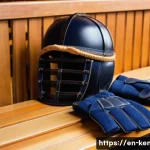
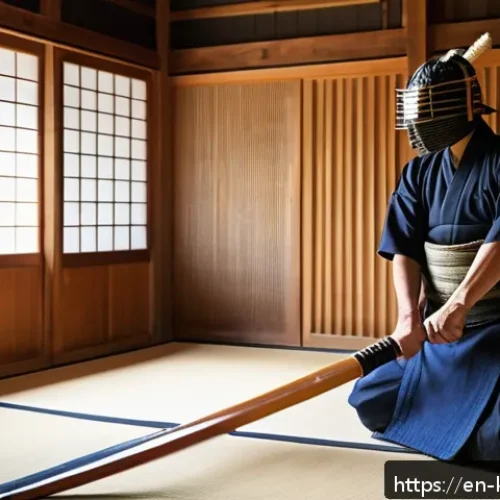
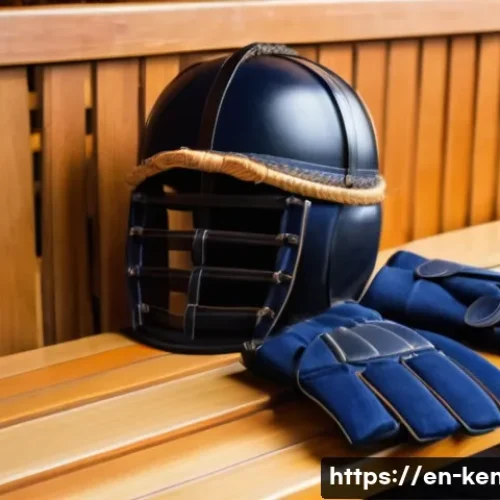
Immediately after practice, I always take my bogu completely apart. That means the men, kote, tare, and do are all separated. For the men, I typically use a dedicated men stand or even a sturdy coat hanger that allows air to circulate *through* the inside, not just around the outside.
You want the inner lining, where all the sweat accumulates, to dry thoroughly. For kote, I stretch them open as much as possible, often stuffing a small, breathable cloth or even a rolled-up magazine inside to maintain their shape and allow air into those finger pockets.
Tare and do can be hung on separate hangers, ensuring they aren’t touching each other, which would restrict airflow. If you have a fan, position it strategically to blow air directly onto your gear.
This accelerates the drying process significantly and prevents that stale, sour smell from settling in. I’ve personally noticed a massive difference in odor control when I make this a priority right after training.
Natural Solutions for Lingering Odors
Even with excellent air drying, sometimes stubborn odors persist, especially in areas like the men’s chin pad or the kote’s palms. Instead of reaching for harsh chemical sprays that can degrade the material over time, I swear by natural odor absorbers.
Baking soda is your best friend here. After your men and kote are mostly dry, sprinkle a small amount of baking soda inside the problematic areas. Let it sit for a few hours, or even overnight, then simply shake or vacuum it out.
The baking soda naturally neutralizes odors without leaving any residue or chemical smell. Another fantastic option is activated charcoal pouches. These are readily available and incredibly effective at absorbing moisture and odors.
I usually keep a few small pouches inside my bogu bag when storing my gear, and even slip one inside my men when it’s resting between practices. Cedar blocks also work wonders, providing a pleasant, natural scent while deterring mildew.
I’ve found that a combination of these methods, used consistently, keeps my bogu smelling genuinely clean, not just covered up.
Beyond the Surface: Deep Cleaning Your Bogu
While diligent air drying and natural deodorizers are fantastic for daily maintenance, there comes a time when your bogu needs a bit more TLC. We’re talking about a deeper clean that tackles the grime, sweat, and general buildup that accumulates over weeks or months of intense training.
This isn’t something you need to do every week, but neglecting it entirely can lead to unsightly stains, a sticky feel, and, eventually, material degradation that no amount of airing out can fix.
I remember once putting off a deep clean for too long, and my kote started to feel genuinely stiff and clammy, impacting my grip and focus during keiko.
That was a wake-up call! It’s about preserving the integrity of your gear, making it comfortable to wear, and ensuring it continues to offer the protection you rely on.
A little bit of effort here goes a very long way in extending the life of your investment and keeping you happy on the dojo floor.
Men and Kote: The Gentle Hand Wash
When it’s time for a deep clean, the men and kote are usually the primary candidates because they bear the brunt of our sweat and direct contact. For the men, *never* immerse the entire piece in water.
The internal structure and lacquered parts are not designed for that. Instead, focus on the fabric parts. I typically use a slightly damp cloth, sometimes with a very mild, pH-neutral soap (like a gentle baby shampoo or a specialized fabric cleaner), to carefully wipe down the inner lining, the padded areas around the forehead and chin, and the fabric parts of the mengane.
Rinse the cloth thoroughly and wipe again to remove any soap residue. For kote, if they’re particularly grubby, a very gentle hand wash is sometimes necessary.
Fill a basin with cool water and a tiny amount of mild soap. Briefly submerge the kote, focusing on gently squeezing the palms and fingers. *Do not scrub aggressively or wring them out*.
The goal is to loosen grime, not damage the stitching or leather. Rinse thoroughly under cool, running water until all soap is gone, then gently press out excess water with a towel.
The key here is “gentle” – these are delicate items.
Do and Tare: Spot Cleaning Secrets
The do and tare, being more structurally rigid or having less direct skin contact, usually don’t require full immersion cleaning. For the do, the lacquered surface can simply be wiped down with a clean, damp cloth.
For scuffs or marks, a tiny dab of car wax or a specialized lacquer cleaner can bring back the shine, but always test in an inconspicuous area first. The most common issue with the do is often dirt or scuffs on the mune (chest protector) or around the edges.
For the tare, which is primarily fabric, spot cleaning is usually sufficient. If you notice a particular stain or a dirty patch on the fabric flaps, take a soft brush or sponge, dampen it slightly with cool water and a very small amount of mild soap, and gently blot or brush the affected area.
Avoid oversaturating the fabric. Afterward, use a clean, damp cloth to wipe away any soap residue. The goal is to lift the dirt without soaking the internal padding or causing the fabric to stretch or warp.
Always ensure these pieces are completely air-dried afterward, just like your men and kote, to prevent any mildew growth.
Protecting Your Investment: Extending Bogu Lifespan
Let’s be honest, kendo bogu isn’t exactly a cheap hobby. A good set can cost a pretty penny, and nobody wants to replace their gear prematurely. Beyond the immediate hygiene benefits, proper care is fundamentally about extending the life of your investment.
It’s not just about looking presentable; it’s about maintaining the structural integrity and protective qualities of your gear. Over the years, I’ve seen fellow kendoka neglect their bogu, only to find stitching coming undone, leather cracking, or the internal padding collapsing much sooner than it should.
It’s truly disheartening to watch a perfectly good set fall apart due to lack of attention. Think of it like a car; you wouldn’t skip oil changes or ignore strange noises, right?
Your bogu deserves the same consistent preventative maintenance. It’s an extension of yourself on the dojo floor, and taking care of it shows respect for your practice and your craft.
Stitching and Straps: Regular Inspections
One of the most overlooked aspects of bogu care is regular inspection. Every time I put on or take off my bogu, I make it a habit to quickly scan it for any signs of wear and tear.
Pay close attention to the stitching, especially around high-stress areas like the base of the kote, where the flaps meet the main body of the tare, and around the mengane on your men.
Loose threads can quickly unravel into bigger problems if not caught early. If you spot a small loose thread, carefully snip it close to the surface; don’t pull it, as that can make it worse.
For more significant issues, like a seam starting to separate, it’s best to address it immediately with a quick repair or by taking it to a professional bogu repair specialist.
Also, check the straps – the men-himo (men cords) and do-himo (do cords) – for fraying or weakening. These are crucial for keeping your bogu securely in place, and a broken strap during keiko can be a real hassle and even a safety concern.
Storage Solutions: Where Your Bogu Rests
How and where you store your bogu between practices is just as important as how you clean it. After ensuring everything is completely dry, which is non-negotiable, you need to store it in a way that allows air circulation and protects it from damage.
I’ve found that a well-ventilated bogu bag is essential. Avoid airtight containers or plastic bags, as these can trap any residual moisture and lead to mildew.
When packing, try to maintain the shape of your gear. For instance, I always place my men on top of my tare and do, ensuring it doesn’t get crushed or misshapen.
Some kendoka even use a men-stand inside their bag for extra support. The actual storage location also matters. Choose a cool, dry place away from direct sunlight or extreme temperature fluctuations.
A closet with good airflow is ideal. Avoid damp basements or garages, which are prime breeding grounds for mold. Proper storage not only prevents physical damage but also helps maintain the desired tension and shape of the bogu, which contributes to comfort and effective protection.
The Right Way to Air Out Your Gear
I know I keep hammering on about air drying, but seriously, it’s *that* important. It’s probably the single most crucial step in bogu maintenance, yet so many people just don’t do it effectively.
I used to be one of them, just slinging my bogu over a chair and hoping for the best. Big mistake! That’s how you end up with that infamous “kendo smell” that permeates everything.
The goal isn’t just to make it *feel* dry on the outside, but to thoroughly dry out the internal padding and fabric where sweat has truly soaked in. Think about it: during a strenuous practice, you’re sweating buckets, and that moisture gets trapped deep within the layers of your bogu.
If you don’t actively encourage it to evaporate, it just sits there, becoming a perfect breeding ground for bacteria and that unwelcome funk. Getting this drying process right is literally the foundation of a clean, long-lasting bogu, and it makes all the difference to your experience in the dojo.
Optimal Airflow: Setting Up Your Drying Station
To achieve optimal airflow, you need a dedicated “drying station.” Immediately after arriving home from the dojo, I completely disassemble my bogu. The men goes onto a men stand – if you don’t have one, get one, they’re a game-changer – or a sturdy, wide hanger, ensuring the internal fabric is exposed.
The kote are often the trickiest; I gently shape them and often use kote hangers or even small, breathable shoe trees to keep them open and allow air to circulate into the fingers and palms.
Tare and do can be hung separately on wide hangers, making sure the flaps of the tare are spread out. The most effective setup I’ve found involves placing this entire arrangement in front of a fan.
A simple oscillating fan on a low setting dramatically speeds up the drying process. In particularly humid environments, a small dehumidifier in the room can also work wonders.
The key is to avoid stacking pieces or hanging them in a cramped space where air can’t get to all surfaces.
Sun vs. Shade: Finding the Balance

There’s a common debate about sun exposure for bogu, and I’ve tried both approaches. Direct sunlight can be effective for drying and has natural antibacterial properties, but it comes with a significant caveat: prolonged exposure can be harsh on the dyes, leather, and stitching, causing them to fade, crack, or become brittle over time.
I once left my men out for too long on a particularly hot, sunny day, and I noticed some slight fading on the indigo dye and the leather felt a bit stiffer.
My current approach is to use the sun sparingly and strategically. If I do put my bogu outside, I prefer a shaded, breezy spot. If direct sun is the only option, I limit exposure to short bursts, perhaps 30 minutes to an hour on each side, then bring it into a well-ventilated indoor space to finish drying.
This allows for some of the sun’s benefits without risking damage. Ultimately, a cool, dry, and airy indoor space with good airflow is generally the safest and most consistent drying environment for your bogu.
Emergency Bogu First Aid: Quick Fixes for Common Issues
Even with the most diligent care, sometimes things just happen. A thread snags, a small tear appears, or despite your best efforts, a persistent odor just won’t quit.
These moments can be frustrating, especially when you’re preparing for an important keiko or a grading. But don’t panic! Over my years in kendo, I’ve had my share of minor bogu mishaps, and I’ve learned that a little “bogu first aid” can save you a lot of headache and potentially extend the life of your gear until you can get a more permanent solution or replacement.
It’s about being proactive and knowing how to handle those unexpected little problems that crop up, preventing them from escalating into major issues.
Being prepared for these small emergencies can make a big difference in the long run.
Handling Minor Tears and Loose Threads
A common issue I’ve encountered is a small tear in the fabric, especially on the tare or kote, or a rogue loose thread. For loose threads, *never pull them*.
This can unravel an entire section. Instead, use a sharp pair of fabric scissors to carefully snip the thread as close to the surface as possible. If you notice a small tear, especially in a non-structural area, a quick fix with a strong, flexible fabric adhesive or even a few careful stitches with a heavy-duty needle and thread can buy you time.
I once had a small tear near the side of my tare before a grading, and a dab of fabric glue held it perfectly until I could properly reinforce it later.
For more critical areas, like the palm of a kote where durability is paramount, even a temporary fix isn’t ideal, and professional repair is the best course of action.
But for those minor surface imperfections, a little DIY can go a long way.
Addressing Mildew and Persistent Odors
Sometimes, despite all efforts, you might encounter mildew or an odor that simply won’t disappear. Mildew typically appears as small black or greenish spots and smells distinctly musty.
If you catch it early, you can often treat it. I’ve had success with a very diluted solution of white vinegar and water (about 1 part vinegar to 4 parts water).
Lightly dab the mildewed area with a cloth soaked in this solution, then immediately follow up by wiping with a clean, damp cloth to remove the vinegar residue.
Ensure the bogu then undergoes a thorough air-drying process. For persistent odors that aren’t mildew, a deeper application of baking soda or activated charcoal (as mentioned earlier) over a longer period can help.
You might even consider placing the affected item in a sealed bag with a generous amount of charcoal for a few days. Remember, the key is to address the moisture that allowed the mildew or odor to form in the first place, ensuring your drying process is impeccable moving forward.
The Unsung Heroes: Essential Bogu Care Tools
You know how a chef has their favorite knives, or a carpenter their essential power tools? Well, a dedicated kendoka also needs their own small arsenal of bogu care tools.
It’s not about having a million gadgets, but having the right few items on hand can make your bogu maintenance routine so much more effective and, frankly, less of a chore.
I’ve slowly accumulated my go-to kit over the years, discovering what truly makes a difference. These aren’t just “nice-to-haves”; they’re genuine workhorses that contribute significantly to keeping your bogu in peak condition, saving you time, effort, and money in the long run.
Having these little helpers ready means you’re always prepared to give your bogu the attention it deserves, ensuring it’s ready for the next fierce practice.
Must-Have Cleaning Supplies
My core cleaning kit is pretty straightforward but highly effective. First up, a few good quality microfiber cloths. They’re super absorbent, gentle on surfaces, and great for wiping down both the lacquered do and the fabric parts of the men and tare.
Next, a soft-bristled brush, something like a clean toothbrush or a dedicated fabric brush, is invaluable for gently dislodging dirt from fabric weave or hard-to-reach crevices without damaging the material.
For actual cleaning agents, I always keep a bottle of mild, pH-neutral soap – baby shampoo works surprisingly well, or a specific delicate fabric wash.
I also have a small spray bottle filled with a diluted white vinegar solution; it’s fantastic for quick deodorizing spritzes (followed by thorough drying, of course) and for tackling minor mildew spots.
And finally, baking soda is a non-negotiable for its incredible odor-absorbing properties. These items are inexpensive, readily available, and form the backbone of a successful bogu cleaning routine.
Specialized Gear for Serious Care
Beyond the basic cleaning supplies, there are a few specialized items that, while not strictly necessary for everyone, can elevate your bogu care game, especially if you train frequently or live in a humid climate.
Top of my list is a proper men stand. Seriously, it’s a game-changer for drying your men thoroughly and maintaining its shape. After trying various makeshift solutions, investing in a good men stand was one of the best decisions I made for my bogu’s longevity.
Similarly, kote hangers or shapers are brilliant for ensuring your kote dry completely, especially in those notoriously hard-to-dry finger areas, and help maintain their form.
For those who want to go the extra mile, a small, portable bogu drying rack designed to maximize airflow around all pieces is fantastic. I’ve also seen UV sanitizers specifically designed for sports gear; while I haven’t personally used one, I know some kendoka swear by them for extra antibacterial power.
Think about your environment and training frequency, and consider if these specialized tools might offer you that extra edge in bogu longevity and freshness.
| Bogu Piece | Daily Care (Post-Keiko) | Deep Cleaning (Monthly/Quarterly) | Special Considerations |
|---|---|---|---|
| Men (Helmet) | Disassemble, place on men stand for maximum airflow. Use a fan. | Wipe interior fabric with damp cloth and mild soap. Rinse thoroughly. | Never immerse. Avoid harsh chemicals on mengane. Use baking soda for lingering odors. |
| Kote (Gloves) | Stretch open, use kote hangers/stuffing to dry fingers/palms. | Gentle hand wash with mild soap if very soiled. Press water out, do NOT wring. | Highly prone to sweat. Check palms for wear. Good drying is critical. |
| Tare (Waist Protector) | Hang spread out on a wide hanger. Ensure no flaps are touching. | Spot clean fabric flaps with damp cloth and mild soap. Wipe residue. | Inspect stitching regularly. Avoid crushing during storage. |
| Do (Chest Protector) | Wipe lacquered surface with a clean, dry cloth. Hang to air. | Wipe surface with damp cloth. Minor scuffs can be buffed with car wax (test first). | Keep away from direct sunlight for prolonged periods to prevent fading/cracking. |
Wrapping Things Up
Whew, we’ve covered a lot of ground today, haven’t we? Taking care of your bogu might seem like a daunting task at first, but trust me, once you get into the rhythm of it, it becomes second nature. It’s more than just cleaning; it’s an act of respect for your equipment, your dojo, and your kendo journey. Every time I meticulously dry my gear or spot a loose stitch, I feel a deeper connection to my practice. It truly makes a world of difference in how your bogu feels, smells, and performs, allowing you to focus entirely on your technique and spirit during keiko. I truly hope these insights, born from my own trials and errors, help you keep your precious gear in top-notch condition for many years to come.
Pro Tips for Peak Bogu Performance
1. Humidity is Your Enemy: Always remember that moisture is the primary culprit behind unpleasant odors and mildew. If you live in a particularly humid climate, consider using a small dehumidifier in your drying area or even throwing a silica gel packet into your bogu bag to absorb excess moisture between uses. I’ve found this makes a significant difference in preventing that stubborn, musty smell from settling in.
2. Rotate Your Kote: If you train frequently, especially several times a week, having a second pair of kote can be a game-changer. This allows one pair to fully dry out and rest while you use the other, drastically extending their lifespan and preventing them from getting prematurely worn or overly smelly. I personally rotate between two pairs, and it’s been one of the best investments I’ve made.
3. Be Gentle with Leather: The leather parts of your bogu, especially on the kote and men, are susceptible to cracking if they dry out too much or are exposed to harsh chemicals. A very occasional, light application of a specialized leather conditioner can help keep them supple, but always test on a hidden spot first and use sparingly. Less is definitely more when it comes to leather.
4. Mind the Men-Himo and Do-Himo: These cords are essential but often overlooked. Periodically inspect them for fraying or weakening. It’s a good idea to have spare sets on hand, as a broken cord mid-keiko can be incredibly disruptive. Learning how to re-tie them properly is also a valuable skill that saves time and prevents frustration.
5. Regular Deodorizing Pouches: Beyond baking soda, activated charcoal pouches are incredibly effective for continuous odor absorption. I always keep a few small ones inside my men and kote when they’re stored in the bogu bag. They silently work their magic, pulling out any lingering smells and keeping everything fresh for your next practice. It’s a small habit with a big payoff!
Your Bogu Care Cheat Sheet
Alright, let’s boil it down to the absolute essentials. Your bogu is an investment, a partner in your kendo journey, and treating it right means it’ll serve you well for years. From my own experience, the biggest takeaway is consistency. It’s not about one big cleaning session, but rather small, diligent efforts after *every* practice. First and foremost, prioritize immediate and thorough air drying – separate every piece, ensure maximum airflow, and use a fan. This single step eliminates probably 80% of potential issues. Secondly, embrace natural odor solutions like baking soda or activated charcoal; they’re gentle on your gear and highly effective. Thirdly, make regular visual inspections a habit. Catching a loose thread or a minor tear early can save you from a much larger repair bill down the line. Finally, store your bogu properly in a well-ventilated space, maintaining its shape and protecting it from dampness. Think of these as the fundamental pillars of bogu longevity. Stick to them, and your gear will not only look great but also feel clean and comfortable, enhancing every aspect of your training.
Frequently Asked Questions (FAQ) 📖
Q: That bogu smell after practice is just… something else! What’s your secret to really getting rid of it, especially from those stubborn kote?
A: Oh, I completely get it! We’ve all been there, right? You finish a killer keiko, feel amazing, then open your bogu bag and – phew!
– you’re hit with that unique kendo fragrance. For years, I just aired things out, thinking that was enough. My big revelation?
Airing is just step one, and it’s not enough on its own. The real game-changer for me, especially with kote which are like little sweat sponges, has been a two-pronged attack: immediate action and targeted cleaning.
First, never leave your bogu damp in its bag. As soon as I get home, everything comes out. I hang my men, do, and tare where they can air out freely, often near an open window or a fan.
For kote, this is where my personal trick comes in: I actually turn them inside out if possible, or at least open them up as wide as they can go. I’ve found that stuffing a few sheets of crumpled newspaper inside them can work wonders, as it absorbs moisture like crazy.
Some folks use those little silica gel packets, but newspaper is cheap and effective! Beyond basic drying, for that deep-seated smell, I swear by specific deodorizing sprays designed for athletic gear or even Kendo-specific bogu sprays.
I mist the inside of my men, the kote, and the tare after every practice once they’ve had a little air time. I’m talking a good, even spray, then let it fully dry.
I even take a slightly damp cloth (with just a tiny bit of mild, diluted disinfectant if things are really gnarly) and gently wipe down the inside of my men, paying special attention to where my face makes contact.
Just be super careful not to soak anything, and always, always ensure it dries completely to prevent mold from setting in – trust me, I learned that the hard way with a pair of kote that got a bit fuzzy once!
It’s all about consistency, and once you get into the routine, that dreaded smell becomes a lot less… potent.
Q: Beyond just the smell, what’s your actual routine for cleaning each part of your bogu, and how often do you recommend a deeper clean?
A: Great question, and it really goes hand-in-hand with keeping that smell at bay! Think of it like a car: you don’t just fill the gas tank; you do regular oil changes and washes too, right?
My routine has evolved over the years, and I’ve settled on a simple “quick clean” after every practice and a “deep clean” a few times a year, depending on how often I’m hitting the dojo.
For the daily quick clean, after every single keiko, it’s all about airing things out as I mentioned before. But I also take a clean, slightly damp cloth – sometimes just water, sometimes with a very, very diluted bit of mild soap – and wipe down the surfaces.
For my men, I focus on the internal padding that touches my head and face. For the do, I wipe both the outside lacquer and the inside where sweat might collect.
The tare gets a quick wipe too. The key here is damp, not soaking wet, and then letting everything air dry completely. I’ve seen people rush this, and that’s when mildew becomes your uninvited practice partner.
Now, for the deeper clean, I usually do this seasonally, maybe three or four times a year. This is when I really scrutinize each piece. For the men, I might use a specialized cleaner on the men-gane (the metal grill) to remove any rust spots, and give the internal leather/fabric a more thorough wipe with a kendo-safe disinfectant spray.
For kote, if they’re the cotton-based type, I’ve had success with very gently hand-washing the cotton parts with a tiny amount of mild, pH-neutral detergent and cold water, being extremely careful not to immerse the leather too much.
Then, and this is crucial, I spend days drying them, often with a fan pointed directly at them, turning them periodically until they are bone dry inside and out.
For the do and tare, I might use a leather conditioner if they have significant leather components, and give the fabric parts a more detailed spot clean.
It’s a bit of an effort, but seeing your bogu look and feel pristine is incredibly satisfying, and it truly extends its life!
Q: My bogu was a significant investment, and I want it to last! What are your absolute best tips for extending its lifespan and keeping it in excellent condition for years to come?
A: Ah, yes, this is the ultimate goal! Our bogu isn’t just gear; it’s an extension of ourselves in the dojo, and a good quality set truly is an investment.
I’ve learned over the decades that a few simple habits can make a colossal difference in how long your bogu lasts. My number one tip, hands down, is proper drying.
I can’t stress this enough. If you consistently put away a damp bogu, you’re practically inviting mold, mildew, and rot to set in, which will quickly degrade the materials.
After every single practice, take everything out of your bag and let it air out. Resist the urge to use direct heat sources like radiators or clothes dryers; that harsh heat can crack leather, shrink cotton, and damage the stitching, effectively ruining your gear faster than anything.
A simple fan or just good airflow in a dry room is your best friend. Secondly, storage matters. When your bogu isn’t in use, don’t just leave it crammed in your kendo bag in the corner of your garage.
Find a cool, dry, well-ventilated space for it. A proper bogu stand or even just hanging the men and do where air can circulate around them will prevent moisture buildup and compression damage.
If you have multiple pairs of kote, rotating them is a genius move! It gives each pair a full chance to dry out and recover, significantly extending their individual lifespans.
Finally, regular inspection and timely small repairs are key. After a deep clean, or even just every few weeks, take a moment to look over your bogu. Are there any loose threads?
Small tears in the fabric or leather? A little bit of super glue for a tiny tear or a quick stitch from a needle and thread can prevent a small problem from becoming a major, expensive repair down the line.
I’ve personally fixed countless minor issues on my bogu over the years, and it’s always paid off. Treating your bogu with respect and a little proactive care ensures it’ll be protecting you and serving you well for many, many years of keiko!