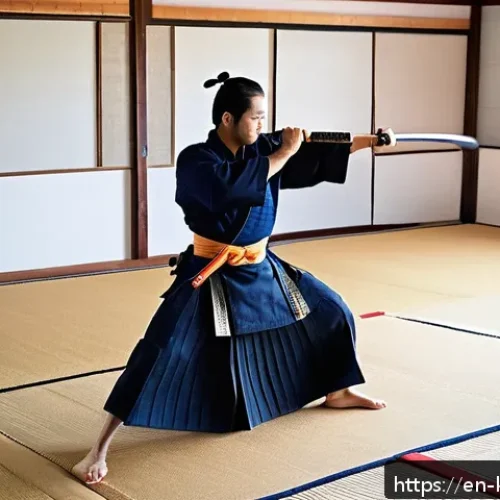
Hey there, fellow Kenshi and martial arts enthusiasts! If you’re anything like me, you live for the exhilaration of Kendo practice, the crisp snap of a shinai, and the feeling of pushing your limits.
But let’s be real for a moment: how often do you truly think about what happens *before* and *after* you step onto the dojo floor? I’ve personally learned the hard way that neglecting a proper stretching routine isn’t just a minor oversight; it’s a direct route to stiffness, discomfort, and worst of all, those nagging injuries that keep us off the mats.
It’s a common misconception that traditional warm-ups are all you need, but the latest insights from sports science tell a much more nuanced story. You see, Kendo demands incredible agility, explosive power, and a surprising range of motion from our hips, shoulders, and legs.
Over the years, I’ve experimented with countless routines, trying to find that perfect balance between warming up effectively and ensuring my body stays flexible and resilient.
The truth is, how and when you stretch can dramatically impact your performance, your ability to execute those lightning-fast men strikes, and even your long-term health in the dojo.
Forget what you *thought* you knew about static stretches before training; we’re diving into the smart, science-backed strategies that will keep you sharp, injury-free, and always ready for the next challenge.
I’m excited to share my experience and what I’ve found truly works. Let’s accurately explore the best Kendo stretching methods below!
Unlocking Peak Performance: The Dynamic Edge in Kendo Prep

Waking Up the Warrior: Essential Dynamic Movements
Alright, Kenshi family, let’s get real about what happens before we even pick up our shinai. For years, I, like many of you, probably thought that a few arm circles and some light bouncing were enough to get ready.
But trust me, my body has learned a crucial lesson: Kendo is an explosive art, and our warm-up needs to match that intensity without causing strain. This isn’t just about feeling warm; it’s about priming your neuromuscular system and preparing every joint and muscle for the rapid, precise movements we demand of them.
Dynamic stretches are your best friend here because they combine movement with stretching, increasing blood flow and taking your joints through a greater range of motion safely.
Think of it as a conversation with your body, telling it, “Hey, we’re about to do some serious Kendo, so let’s get everything firing!” The goal is to gradually increase your heart rate and muscle temperature, not to force cold muscles into deep stretches.
If you’ve ever felt sluggish in the first few minutes of kihon, a solid dynamic warm-up is likely the missing piece. It genuinely makes a huge difference in how quickly I can achieve sharp, controlled movements.
I’ve found that focusing on these movements helps me connect with my body, feel grounded, and mentally prepare for the practice ahead. Seriously, don’t skip this, your future self will thank you!
It’s all about working smarter, not just harder, and giving your body the respect it deserves to prevent those frustrating tweaks and pulls that keep us off the dojo floor.
Targeting Kendo’s Core: Hip and Shoulder Mobility
When we talk about Kendo, we often focus on the shinai, the footwork, and the kiai. But beneath it all, the foundation of explosive fumikomi and powerful men strikes lies in your hips and shoulders.
These are our body’s powerhouses, and if they’re stiff or restricted, everything else suffers. I’ve personally battled with tight hips, which made my fumikomi feel heavy and my overall movement less fluid.
It was a game-changer when I started incorporating dynamic hip and shoulder mobility drills into my pre-practice routine. For hips, think leg swings – forward and backward, then side to side – or deep, controlled lunges.
These mimic the actions of cutting and footwork, gradually opening up those crucial ranges of motion. For shoulders, I love large arm circles, both forward and backward, which help loosen up the rotator cuff and upper back, areas that can get incredibly tight from holding kamae.
Don’t forget gentle spinal twists to engage your core and improve rotational flexibility, which is vital for maintaining balance and delivering powerful strikes from your center.
The key is *controlled* movement; we’re not flinging our limbs around. We’re intentionally guiding our joints through their full, healthy range. When my hips and shoulders feel loose and ready, I immediately notice a difference in my cuts – they feel sharper, faster, and more connected to my core.
It’s like the difference between a rusty gate and one that’s well-oiled; the latter just moves with so much more grace and power.
Post-Practice Recharge: The Art of Recovery
Gentle Lengthening: Static Stretches for Deep Release
After an intense Kendo session, when your muscles are warm and pliable from all that hard work, that’s when static stretching truly shines. Forget holding poses for mere seconds; science tells us that for actual lengthening, you need to hold a stretch for at least 8 seconds, ideally repeating it 2-3 times per muscle.
This is the time to really listen to your body and give those hard-working muscles the gentle release they deserve. I usually find a quiet corner, away from the immediate buzz of the dojo, and take my time.
Focusing on areas like the hamstrings, quadriceps, and calf muscles is crucial for Kenshi, as our legs take a pounding during footwork and fumikomi. The Achilles tendon, in particular, needs careful attention, and gentle, sustained calf stretches can be incredibly beneficial.
Don’t bounce or force the stretch; instead, breathe deeply into it, letting your muscles gradually relax and lengthen. This isn’t just about physical recovery; it’s a mental cool-down too.
It helps transition your body and mind from the high intensity of keiko back to a state of calm, reducing muscle soreness and promoting better flexibility in the long run.
I swear by a good post-practice stretch; it’s the difference between waking up feeling like a truck hit me and waking up feeling refreshed and ready for the next challenge.
The Forgotten Muscles: Ankles and Wrists
It’s easy to overlook our ankles and wrists in the grand scheme of Kendo, but believe me, neglecting them is a fast track to discomfort and potential injury.
Our ankles bear the brunt of every fumikomi, every suri-ashi, and every abrupt stop, while our wrists are constantly engaged in holding the shinai with precision and power.
I’ve had my fair share of stiff ankles after particularly long practices, and it’s not fun. Simple ankle rotations, both clockwise and counter-clockwise, followed by gentle pointing and flexing, can do wonders for mobility.
For wrists, try gentle circles and flexions, making sure to stretch through the forearms as well. These small movements, performed consistently, can significantly improve your range of motion and reduce the risk of strains.
They might seem minor, but in Kendo, every little bit of mobility counts. Think about the subtle movements required for tenouchi or for adjusting your kamae – supple wrists and ankles allow for that effortless control.
I’ve learned that paying attention to these smaller joints helps complete the overall picture of a resilient and agile Kenshi. It’s about building a strong, flexible body from the ground up, and that definitely includes our often-forgotten extremities.
Crafting Your Personalized Stretch Blueprint
Listening to Your Body: Finding Your Limits
Let’s be honest, every Kenshi’s body is unique, with its own history of bumps, bruises, and inherent flexibilities. What works wonders for one person might be too intense or not enough for another.
That’s why “listening to your body” isn’t just a cliché; it’s a fundamental principle of effective stretching. I’ve learned this through trial and error, sometimes pushing too hard and paying the price, other times being too timid and not seeing progress.
The key is to find that sweet spot – a comfortable tension during a stretch, never outright pain. If you feel a sharp, stabbing sensation, back off immediately!
It means you’ve gone too far. Focus on what feels good, where you feel that gentle lengthening, and respect your body’s current limitations. It’s a journey, not a race.
Your flexibility today might be different from yesterday, influenced by fatigue, stress, or even hydration. So, check in with yourself each time, adjusting your stretches as needed.
This personal awareness is a massive part of what makes stretching truly effective for long-term health and peak performance in Kendo.
Consistency is King: Making it a Habit
We all know that achieving mastery in Kendo requires consistent practice, right? Well, the same goes for flexibility and injury prevention. Stretching isn’t a one-and-done deal; it’s a daily commitment, just like your suburi.
I used to be terrible at this, often skipping my post-keiko cool-down in favor of heading straight home. But then the stiffness and minor aches started piling up, making subsequent practices less enjoyable.
That’s when I realized consistency is absolutely king. Even a short 10-15 minute routine, done regularly, yields far better results than sporadic, intense sessions.
I personally try to integrate stretching into my daily life, not just around dojo time. A few minutes in the morning to shake off the stiffness, a quick hip opener while watching TV – every little bit adds up.
It’s about building a habit, making it as ingrained as brushing your teeth. Once it becomes a part of your routine, you’ll start to notice profound changes in your overall comfort, range of motion, and even your mental clarity on the mat.
It’s an investment in your Kendo journey and your long-term physical well-being.
Beyond the Stretch Mat: Holistic Flexibility
Hydration and Nutrition’s Role in Suppleness
While we often focus on the physical act of stretching, what we put into our bodies plays an equally vital role in our flexibility and recovery. Think about it: our muscles are largely water, and proper hydration is absolutely critical for muscle elasticity and preventing cramps.
I’ve noticed a huge difference in my own flexibility when I’m well-hydrated versus when I’ve been a bit lax with my water intake. Dehydration can make your muscles feel tight and less responsive, making stretching feel like a chore rather than a release.
Similarly, a balanced diet rich in micronutrients supports overall muscle health, repair, and reduces inflammation, which can otherwise contribute to stiffness.
Foods packed with antioxidants and anti-inflammatory properties, like berries, leafy greens, and healthy fats, can truly aid in recovery and keep your connective tissues supple.
I’m not saying you need to overhaul your entire diet overnight, but being mindful of what you fuel your body with can significantly enhance your body’s natural ability to stretch and recover, making your efforts on the mat even more effective.
The Power of Breath in Relaxation

This might sound a bit “zen,” but incorporating mindful breathing into your stretching routine can be incredibly powerful. How many times have you caught yourself holding your breath when a stretch feels particularly intense?
I know I have! The problem is, holding your breath activates your “fight or flight” response, causing your muscles to tense up, which is the exact opposite of what we want when stretching.
Instead, try to focus on long, slow exhales as you deepen into a stretch. This signals to your nervous system that it’s safe to relax, allowing your muscles to release tension more effectively.
It’s a technique I learned years ago and it’s truly transformative. When I concentrate on my breath, not only do I achieve a deeper stretch, but I also find a sense of calm and mental focus that carries over into my Kendo practice.
It turns stretching into a meditative, holistic experience rather than just a physical chore. It’s an invaluable tool for both physical release and mental grounding.
Dodging the Dojo Dangers: Injury Prevention Through Flexibility
Common Kendo Strains and How to Avoid Them
Let’s face it, Kendo is a dynamic martial art, and like any physical activity, it comes with its own set of potential injuries. I’ve seen firsthand how easily a strained Achilles tendon or a tight lower back can sideline a dedicated Kenshi.
Common culprits often include the Achilles tendon due to the explosive fumikomi, hamstrings from repetitive footwork, and shoulders and wrists from the constant shinai manipulation.
The good news? Many of these can be mitigated with a consistent and intelligent stretching routine. For example, regularly stretching your calves and focusing on proper fumikomi technique can significantly reduce Achilles strain.
Similarly, dynamic stretches for the shoulders and wrists can maintain the flexibility needed to avoid common impingements or strains. It’s not just about flexibility, though; it’s about having muscles that are both flexible *and* strong through their full range of motion.
Ignoring flexibility is like inviting trouble to your dojo. From my experience, a little proactive stretching goes a very long way in keeping you on the mats and away from the physiotherapist’s office.
Strengthening for Stability, Stretching for Range
Flexibility without strength is like a wet noodle – not much use in Kendo! On the flip side, strength without flexibility can lead to stiff, injury-prone muscles.
The real magic happens when you combine both. I used to think I just needed to stretch more, but I quickly realized that if my muscles weren’t strong enough to *control* that increased range of motion, I was still at risk.
For Kendo, this means incorporating strength training that supports our dynamic movements. Core strength, for example, is paramount for stability and powering those cuts.
Exercises that strengthen your hips, glutes, and upper back will not only make you more powerful but also protect your joints as you move through those extended ranges of motion during stretching.
Think of it as creating “active flexibility” – the ability to move freely and powerfully through your full range of motion, not just passively extend a limb.
It’s a balanced approach that makes your body a resilient, efficient Kendo machine, and trust me, you’ll feel the difference in your strikes and your recovery.
My Personal Journey to Pliant Kenshi
From Stiffness to Suppleness: My Aha! Moments
When I first started Kendo, I was probably stiffer than my shinai! I thought being strong was enough, but my body quickly showed me the error of my ways.
My first “aha!” moment came after a particularly grueling keiko where my shoulders felt like concrete blocks. A senior sensei, seeing my struggle, gently reminded me that a relaxed kamae starts with relaxed shoulders, and that comes from flexibility.
It wasn’t just about the physical; it was about the mental connection too. I started experimenting with different stretches, realizing how much tension I held without even knowing it.
Another huge moment for me was when I truly committed to daily post-practice stretching. The immediate relief was incredible, but the long-term benefit of reduced stiffness and improved recovery was a game-changer.
My footwork became lighter, my strikes felt more fluid, and I could sustain intensity for longer without feeling completely drained afterward. It was like unlocking a new level of my Kendo, simply by giving my body the care it needed.
Integrating Stretching into a Busy Schedule
Let’s be real, life is busy, and finding extra time for stretching can feel like another chore. But I’ve learned that it doesn’t have to be. It’s all about integrating it seamlessly into your day.
For instance, while waiting for water to boil, I’ll do some quick wrist rotations and neck stretches. During commercial breaks, a few leg swings or a standing hamstring stretch.
Before I even get out of bed, I might do some gentle spinal twists to wake up my core. Even if it’s just 5-10 minutes spread throughout the day, those small consistent efforts add up exponentially.
I also keep a yoga mat rolled out in a visible spot as a constant reminder. The key is to stop seeing it as a separate, time-consuming activity and start viewing it as an ongoing act of self-care and performance enhancement.
Once you start feeling the benefits – the reduced stiffness, the improved agility, the fewer aches and pains – you’ll find yourself *wanting* to make time for it.
It’s truly an investment that pays dividends on and off the dojo floor.
| Stretch Type | Best Time to Perform | Kendo Benefit |
|---|---|---|
| Dynamic Stretches (e.g., Leg Swings, Arm Circles) | Pre-Practice Warm-up | Increases blood flow, warms muscles, improves joint range of motion, reduces injury risk during explosive movements. |
| Static Stretches (e.g., Hamstring Stretch, Calf Stretch) | Post-Practice Cool-down | Lengthens muscles, improves long-term flexibility, reduces muscle soreness and fatigue, aids recovery. |
| Mobility Drills (e.g., Hip Rotations, Shoulder CARs) | Pre-Practice, Daily Maintenance | Enhances specific joint movement, crucial for deep stances, powerful strikes, and overall agility. |
| Focused Recovery (e.g., Foam Rolling, Massage) | Post-Practice, Rest Days | Relieves muscle knots, improves circulation, accelerates healing, addresses specific tight areas. |
Wrapping Things Up
After diving deep into the world of dynamic warm-ups, recovery stretches, and the holistic approach to Kendo conditioning, I truly hope you’ve found some valuable insights to incorporate into your own practice.
It’s so much more than just swinging a shinai; it’s about nurturing your body, understanding its needs, and giving it the respect it deserves to perform at its peak.
Remember, every stretch, every mindful breath, and every small adjustment in your routine contributes to a stronger, more resilient Kenshi. I’ve felt the tangible benefits in my own Kendo journey, and I’m convinced you will too.
Keep pushing, keep learning, and most importantly, keep listening to your body.
Handy Tips to Keep in Mind
1. Start Small, Stay Consistent: You don’t need an hour-long stretching session every day. Even 10-15 minutes of focused dynamic and static stretching can make a world of difference if done consistently. It’s about building a sustainable habit, not chasing fleeting perfection.
2. Hydration is Your Friend: Don’t underestimate the power of water! Well-hydrated muscles are more elastic and less prone to cramping and stiffness. Keep a water bottle handy throughout the day, especially before and after your Kendo practice.
3. Fuel Your Body Smartly: What you eat directly impacts your recovery and overall flexibility. Focus on a balanced diet rich in whole foods, lean proteins, and plenty of fruits and vegetables to support muscle repair and reduce inflammation.
4. Listen to the Whispers, Not Just the Screams: Your body often gives subtle cues before it sends out pain signals. Pay attention to minor aches or stiffness, and address them with targeted stretches or rest before they escalate into bigger issues.
5. Make It Enjoyable: Stretching shouldn’t feel like a punishment. Put on some calming music, find a quiet space, and turn it into a relaxing ritual. When you enjoy the process, you’re far more likely to stick with it and reap the long-term benefits.
Key Takeaways
Our Kendo journey is a marathon, not a sprint, and proper preparation and recovery are non-negotiable for longevity and peak performance. Dynamic warm-ups are crucial for priming your body for explosive movements, while static stretches are essential for post-practice recovery and long-term flexibility.
Beyond the physical acts of stretching, remember that hydration, nutrition, and mindful breathing all play significant roles in maintaining a supple, strong, and injury-resistant body.
By integrating these elements consistently, you’ll not only enhance your performance on the dojo floor but also safeguard your physical well-being for years of enjoyable Kendo practice.
Frequently Asked Questions (FAQ) 📖
Q: Why is differentiating between warm-up (pre-Kendo) and cool-down (post-Kendo) stretching so crucial for Kenshi?
A: This is such a fantastic and often overlooked question, but it’s absolutely foundational to a sustainable Kendo practice! I’ve seen countless Kenshi, myself included in my younger days, just go through the motions, blurring the lines between warming up and cooling down.
But here’s the kicker: your body needs different things at different times. Before Kendo, your goal is to get your blood flowing, activate your muscles, and prepare your joints for the explosive, dynamic movements ahead.
This is where dynamic stretches shine. Think leg swings, arm circles, torso twists – movements that take your joints through their full range of motion, gently increasing your heart rate and muscle temperature without decreasing your power output.
In fact, research suggests that traditional static stretching before a workout can actually temporarily reduce muscle strength and slow reaction times, which is the last thing you want when you’re about to execute a swift Kote or Men!
After a vigorous Kendo session, however, your muscles are warm and pliable, making it the perfect time for static stretching. This is when you hold stretches for a longer duration, typically 15-30 seconds, to gently lengthen your muscles and increase your overall flexibility and range of motion.
From my own experience, dedicating time to static stretches post-practice has dramatically reduced my muscle soreness the next day and significantly improved my long-term flexibility, especially in areas like my hips and hamstrings, which are constantly engaged during Kendo.
It helps your heart rate gradually return to normal, aids in flushing out metabolic waste products like lactic acid, and really promotes recovery. So, remember: dynamic before, static after.
It’s a game-changer for performance and longevity!
Q: What are some specific, science-backed stretches that are most beneficial for Kendo practitioners, targeting areas like hips, shoulders, and legs?
A: Oh, this is where we get into the nitty-gritty, and it’s truly exciting to see how targeted stretching can improve your Kendo! Given Kendo’s unique demands for agility, explosive power, and quick transitions, we need to focus on mobility in our hips, shoulders, and the resilience of our leg muscles, especially the Achilles tendon and hamstrings.
I’ve experimented a lot, and these are some of the go-to movements I’ve found incredibly effective. For dynamic warm-ups (pre-Kendo), I highly recommend:
Leg Swings: Both forward-and-back and side-to-side.
These really get your hip flexors, hamstrings, and inner thighs ready for those big Kendo steps and hip rotation, priming you for powerful fumikomi and fluid footwork.
Think about generating a controlled swing, not just letting your leg flop. Arm Circles: Start small and gradually increase the size, both forward and backward.
This wakes up your shoulders, chest, and lats, crucial for maintaining strong Kamae and delivering precise strikes without strain. We need that full range of motion for our shinai movements!
Walking Lunges with Torso Twists: Step forward into a lunge, and as you hold it, gently twist your torso towards the lead leg. This not only opens your hips and stretches your quads and hamstrings but also enhances your spinal rotation, which is vital for quick changes in direction and strong strikes.
For static cool-downs (post-Kendo), I swear by:
Butterfly Stretch: Sit with the soles of your feet together, knees out to the sides. Gently press your hips towards the floor.
This is fantastic for opening up the hips and inner thighs, which can get incredibly tight from Kendo’s stances. I find this significantly improves my ability to maintain a lower, more stable Kamae over time.
Seated Hamstring Stretch (Pike Stretch): Sit with legs extended, reach forward towards your toes with a flat back. This deeply stretches the hamstrings and can also alleviate lower back tension, a common complaint among Kenshi.
Make sure to breathe deeply into the stretch. Calf Stretches: Essential for the Achilles tendon, which takes a huge pounding from fumikomi. Standing calf stretches, pressing your heel down with your toes elevated on a step, or simply leaning against a wall, are simple yet incredibly effective.
Don’t neglect this, seriously, your Achilles will thank you in the long run! These are the stretches I’ve personally found make the biggest difference, directly impacting my Kendo performance and helping me feel great both on and off the dojo floor.
Q: How does incorporating a consistent stretching routine directly contribute to preventing common Kendo injuries and ensuring long-term practice?
A: This is probably the most important aspect for anyone serious about Kendo longevity. Trust me, I’ve learned this the hard way through a few minor injuries that could have been prevented.
A consistent, well-rounded stretching routine isn’t just about feeling good; it’s your body’s insurance policy against the wear and tear of intense practice.
Kendo involves repetitive, high-impact movements, particularly the fumikomi-ashi, which can put immense stress on your feet, ankles, and Achilles tendons.
Without adequate flexibility and mobility, these structures become stiff and less resilient, making them prime candidates for sprains, strains, and even more serious issues like Achilles tendonitis or ruptures.
By regularly stretching, you’re improving the elasticity of your muscles and tendons, making them more pliable and less prone to tearing under sudden stress.
It also enhances your joint’s range of motion, allowing you to move more freely and efficiently, which means your body isn’t fighting against itself with every strike or step.
I’ve personally noticed that with better hip mobility, my fumikomi feels less jarring, and the strain on my knees has significantly reduced. Beyond the physical, it boosts blood circulation, delivering essential oxygen and nutrients to your muscles and aiding in faster recovery, reducing that dreadful Delayed Onset Muscle Soreness (DOMS).
When your body feels less fatigued and stiff, you’re naturally more aware of your movements, reducing the likelihood of accidental injuries from awkward footing or overextension.
Think of it this way: a flexible, mobile body is like a finely tuned machine, able to absorb impact and execute complex movements with grace and power, ensuring you can keep stepping onto the dojo floor, shinai in hand, for many, many years to come.
Don’t wait until an injury sidelines you; make stretching a non-negotiable part of your Kendo life.