Starting Kendo is an exciting journey that combines physical discipline with mental focus, but it’s important to consider the costs involved before diving in.
From protective gear to membership fees at your local dojo, budgeting wisely can make your experience smoother and more enjoyable. Many beginners overlook the initial expenses, which can add up quickly if you’re not prepared.
Understanding what to expect financially helps you avoid surprises and plan better for your training. Whether you’re investing in quality equipment or paying for classes, knowing the breakdown of costs is key.
Let’s explore the essential budget details you’ll need to get started confidently!
Understanding the Cost of Essential Kendo Gear
Protective Equipment: Where Quality Matters Most
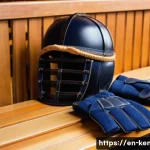
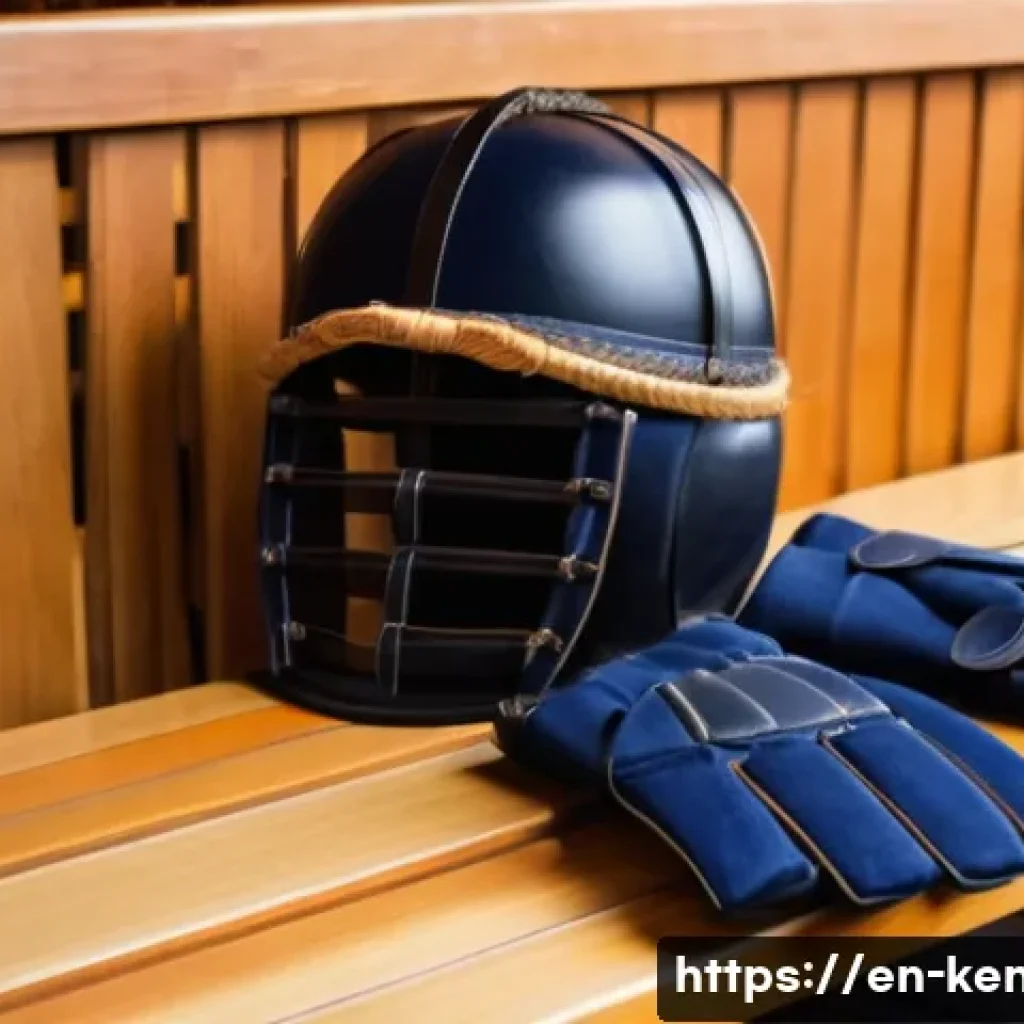
When I first started Kendo, I quickly realized that investing in good protective gear isn’t something to skimp on. The main pieces like the men (helmet), kote (gloves), do (chest protector), and tare (waist protector) can be quite pricey, but they’re crucial for safety and comfort during practice and matches.
From personal experience, cheaper sets might save you money initially, but they tend to wear out faster and offer less protection. High-quality gear can last years if properly maintained, making it a smarter investment in the long run.
Plus, once you get used to your gear fitting well, your confidence and performance in training noticeably improve.
Choosing Your First Shinai: Budget vs. Durability
The shinai, or bamboo sword, is another essential item for beginners. Prices vary depending on the brand, craftsmanship, and material quality. I’ve found that mid-range shinais offer a good balance of durability and price for newcomers.
While it’s tempting to grab the cheapest option, a flimsy shinai can break easily, interrupting practice and potentially causing injury. If you’re serious about Kendo, spending a bit more on a reliable shinai pays off.
Also, keep in mind that you’ll need to replace it occasionally as it wears down, so budgeting for this ongoing expense is wise.
Proper Clothing: Beyond Just the Hakama and Gi
Besides the armor and shinai, the traditional clothing—hakama (pleated pants) and keikogi (jacket)—adds to the budget. These garments need to be comfortable and durable since you’ll be moving a lot during practice.
From what I’ve seen, beginner sets often come with synthetic fabrics that are affordable but might not breathe well, leading to discomfort in warmer months.
Investing in natural fiber options might cost more upfront but improves comfort and hygiene significantly. Don’t forget small extras like obi (belt) and appropriate socks, which also contribute to the overall budget.
Membership and Training Costs at Local Dojos
Monthly Fees: What to Expect
Joining a dojo usually involves monthly fees that cover access to training sessions and facilities. These fees can vary widely depending on the location, the dojo’s reputation, and the frequency of classes offered.
In urban areas, especially in larger cities, expect to pay more compared to suburban or rural dojos. When I compared a few local options, monthly dues ranged from $50 to $150.
Some dojos offer discounts for students or multi-month commitments, so it’s worth asking about those deals upfront. Keep in mind that consistent attendance helps you get the most value out of these fees.
Additional Charges: Seminars, Grading, and Events
Beyond regular membership, there are often extra costs for seminars, grading exams, and special events. These opportunities are great for accelerating your skills but can add up quickly.
For example, grading fees for belt ranks or dan levels usually range from $20 to $100 depending on the level. Seminars led by high-ranking instructors can cost anywhere from $30 to over $100 per session.
When I started, budgeting a bit extra each month for these occasional expenses prevented any surprises and allowed me to participate fully without stress.
Trial Classes and Introductory Offers
Many dojos offer free or low-cost trial classes, which are excellent for beginners to test the waters before committing. Taking advantage of these sessions helped me gauge the dojo’s atmosphere and teaching style without financial pressure.
Some places also provide starter packages that bundle gear rental and a few classes at a discounted rate. If you’re still unsure about your commitment, these introductory offers can save you money and help you make a more informed decision about which dojo to join.
Budgeting for Maintenance and Replacement
Gear Upkeep: Cleaning and Repairs
Kendo equipment requires regular care to keep it in good shape. From my experience, wiping down your men and kote after each session helps prevent odor and prolongs the life of the materials.
Some parts, like the cotton padding in the kote or the leather bindings on the shinai, wear out and might need replacing or repairs. Setting aside a small monthly amount for maintenance supplies such as cleaning sprays, replacement parts, or stitching services keeps your gear ready for action without breaking the bank.
Planning for Equipment Upgrades
As your skills improve, you might want to upgrade your gear to better quality or customized options. For instance, many kendoka choose to invest in personalized men or kote for better fit and comfort.
These upgrades can be costly, sometimes running several hundred dollars, so it’s smart to plan for them gradually. I personally waited until I was more confident in my commitment before buying high-end gear, which made the expense feel justified and exciting rather than overwhelming.
Storage and Transport Considerations
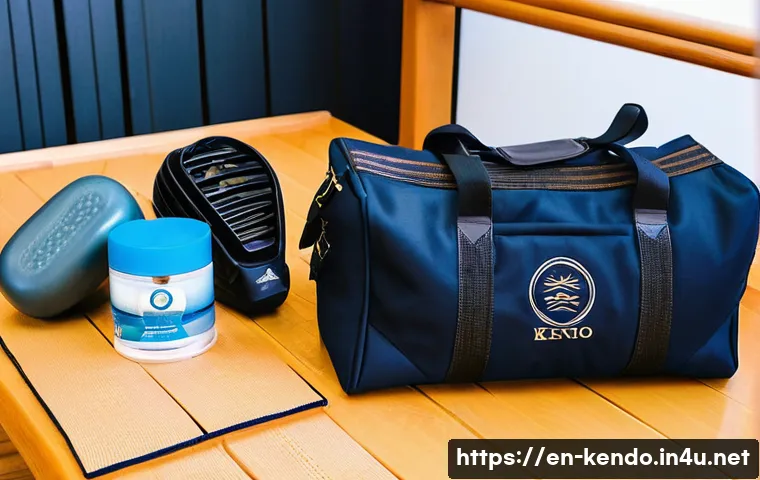
Don’t overlook the need for proper storage and transport solutions. A sturdy bag designed specifically for Kendo gear is invaluable for keeping everything organized and protected, especially if you commute to practice.
While not an essential first purchase, a good gear bag usually costs between $50 and $100. Having a dedicated bag also reduces wear and tear on your equipment and makes trips to tournaments or seminars much easier.
Comparing Costs: A Snapshot of Typical Expenses
| Item | Estimated Price Range (USD) | Notes |
|---|---|---|
| Men (Helmet) | $150 – $400 | Depends on material and brand quality |
| Kote (Gloves) | $100 – $300 | Fit and durability vary widely |
| Do (Chest Protector) | $150 – $350 | Leather vs synthetic options |
| Tare (Waist Protector) | $80 – $200 | Often bundled with other gear |
| Shinai (Bamboo Sword) | $40 – $150 | Replacement every 6-12 months recommended |
| Hakama & Keikogi | $70 – $200 | Natural fibers cost more but are more comfortable |
| Monthly Dojo Membership | $50 – $150 | Varies by location and dojo facilities |
| Grading Fees | $20 – $100 | Depends on rank level tested |
| Seminars & Special Events | $30 – $100+ | Optional but recommended for skill growth |
| Gear Bag | $50 – $100 | Not essential initially, but very useful |
How to Find Deals Without Sacrificing Quality
Secondhand Gear: Pros and Cons
I’ve often browsed secondhand markets and Kendo forums where practitioners sell gently used gear. This can be a great way to save money, especially for bulky items like the men and do.
However, it’s essential to inspect used gear carefully for wear or damage that could compromise safety. Asking about the gear’s history and trying it on before purchase helped me avoid costly mistakes.
Just remember that hygiene and fit are paramount, so don’t settle for anything that feels off.
Seasonal Sales and Group Discounts
Many dojos and suppliers offer seasonal promotions or discounts if you buy a full set of gear together. Joining a group purchase with fellow beginners can unlock better prices.
When I coordinated a small group, we saved significantly on shipping and received personalized fittings at a lower cost. Timing your purchases around holidays or special sales events can also help stretch your budget further without sacrificing the quality you need.
Rental Options for Newcomers
If you’re hesitant about committing to expensive gear upfront, some dojos provide rental equipment for beginners. This option allows you to start training right away without a big investment.
From what I experienced, renting also gives you a better sense of what gear fits your style and size before buying. Keep in mind rental fees accumulate over time, so if you plan to train regularly, purchasing your own gear eventually makes more financial sense.
Budgeting Tips for Long-Term Kendo Commitment
Setting Realistic Monthly Budgets
Based on my journey, breaking down your Kendo expenses into manageable monthly budgets makes the process less intimidating. For example, allocating around $100-$150 monthly can cover class fees and gradually build your equipment collection without stress.
Tracking your spending helps you adjust for unexpected costs like equipment repairs or grading fees. This steady approach keeps your finances balanced while allowing steady progress in your training.
Prioritizing Purchases According to Skill Level
In the beginning, focus your budget on the essentials that directly impact safety and comfort. As you advance, you can prioritize upgrades or additional gear like custom-fitted kote or higher-grade shinai.
I learned that pacing myself prevented burnout—both financially and mentally. It’s tempting to want everything at once, but thoughtful prioritization ensures every dollar spent adds value to your Kendo experience.
Exploring Financial Assistance and Scholarships
Some Kendo organizations and clubs offer scholarships or financial aid for dedicated students, especially younger practitioners or those with financial constraints.
It’s worth inquiring at your dojo or regional Kendo associations about any support available. When I reached out, I found options that helped cover grading fees and seminar costs, which made a significant difference during tight budget months.
Don’t hesitate to ask—many communities are eager to support passionate newcomers.
Conclusion
Investing in quality Kendo gear and understanding the associated costs will greatly enhance your training experience. With thoughtful budgeting and careful choices, you can balance safety, comfort, and performance without breaking the bank. Remember, gradual upgrades and consistent practice make the journey rewarding and sustainable.
Helpful Tips to Keep in Mind
1. Always prioritize protective equipment quality to ensure safety during practice and competitions.
2. Consider mid-range shinai options that offer durability without overspending, especially as a beginner.
3. Choose natural fiber clothing when possible for better comfort and hygiene during intense training sessions.
4. Take advantage of trial classes and introductory offers to find the right dojo fit before committing financially.
5. Regular maintenance and occasional upgrades of your gear will extend its lifespan and improve your overall experience.
Key Takeaways
Understanding the full scope of Kendo expenses—from gear and dojo fees to maintenance and events—helps you plan effectively. Prioritize safety and comfort while balancing your budget by investing in quality equipment and taking advantage of discounts or rental options. Maintaining your gear and pacing your purchases according to your skill level will keep your practice enjoyable and financially manageable. Don’t hesitate to explore financial assistance programs that may be available to support your Kendo journey.
Frequently Asked Questions (FAQ) 📖
Q: How much should I expect to spend on beginner Kendo equipment?
A: For beginners, initial equipment costs can vary, but you should budget around $300 to $600 for basic gear. This usually includes a shinai (bamboo sword), bogu (protective armor), and keikogi and hakama (practice clothing).
I found that investing in decent quality gear from the start not only boosts comfort but also lasts longer, saving money in the long run. Of course, prices can differ based on brand and where you buy, but planning ahead prevents sticker shock.
Q: Are there ongoing costs besides the initial equipment purchase?
A: Absolutely. Besides buying gear, you’ll need to consider dojo membership fees and class costs, which often range from $50 to $150 per month depending on location and the dojo’s facilities.
Some dojos also charge for seminars, grading exams, and occasional equipment maintenance or replacement. Personally, I kept a small monthly budget for these extras, which made managing expenses easier without interrupting my training.
Q: Can I start Kendo without buying all the equipment right away?
A: Yes, many dojos allow beginners to rent or borrow equipment initially, which is a great way to try out Kendo without a big upfront investment. This option helped me get a feel for the sport before committing to buying my own set.
However, if you decide to continue, purchasing your own gear is recommended for hygiene, fit, and personal comfort. Renting is a practical stepping stone while you’re still exploring the sport.